
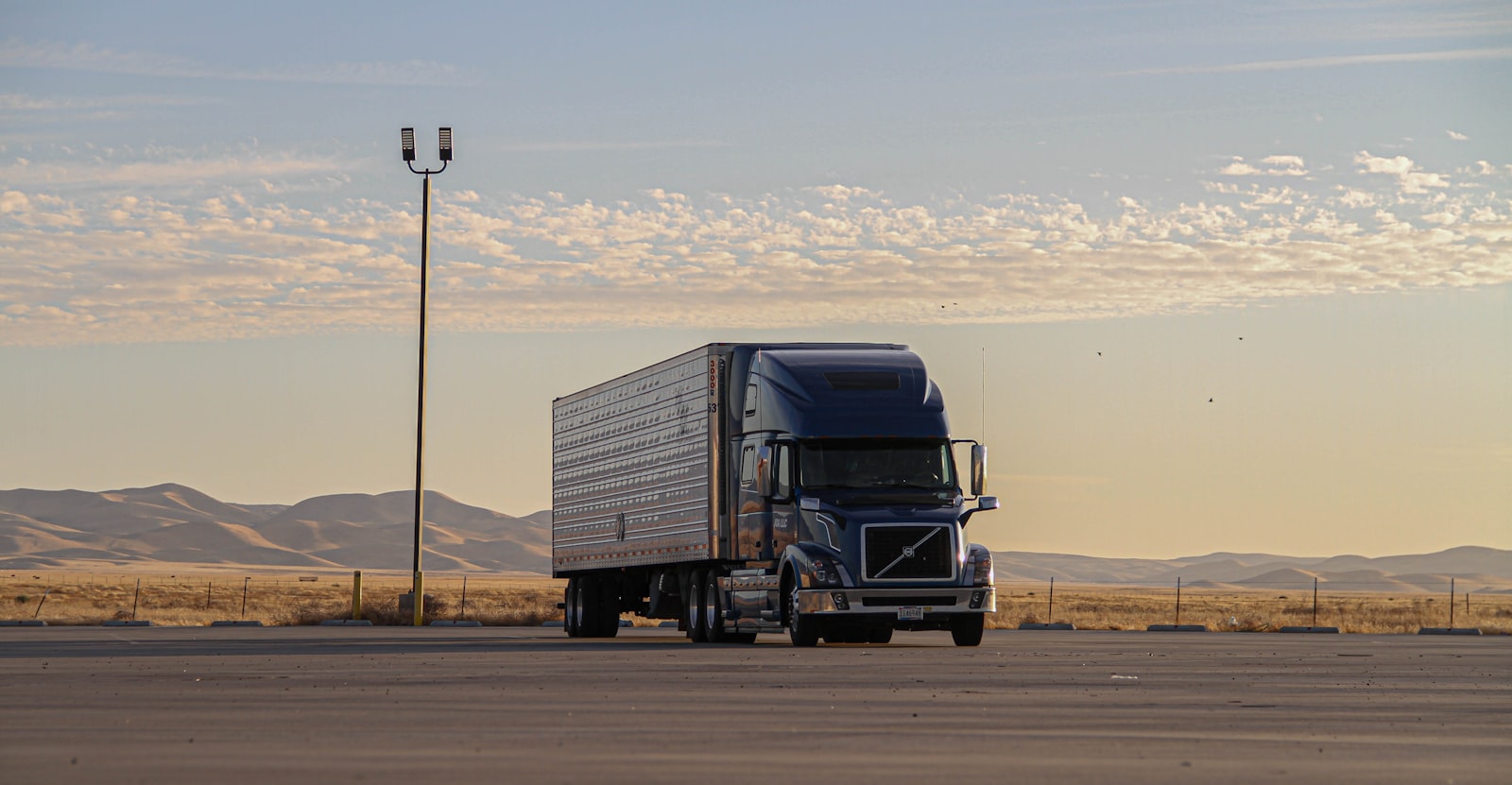
Long-haul truck drivers are built for cramps in a way no other trade is: they deliberately under-drink to avoid bathroom stops, sit for up to 11 hours of pedal work, then sleep in a cab that can run 30–40°F hotter than the air outside when no-idle rules shut the AC down. A 3 oz pickle brine shot delivers 570 mg of sodium and triggers a neural reflex that quiets a cramping muscle in about 85 seconds (Miller 2010) — which is why it belongs in the door pocket, not the gym bag. The full haul-day protocol is below.
There are roughly 3.5 million professional truck drivers in the United States, and the cramp that wakes one of them up in the sleeper berth at 2 a.m. almost never gets counted as a heat-illness event. There is no foreman, no jobsite log, no OSHA tent — just a driver alone in a bunk with a calf that has locked solid, six hours before a delivery appointment. The setup for that cramp was built all day, one skipped water bottle at a time.
This page is the driver version of the protocol: the five trucker-specific cramp drivers, the 85-second mechanism, sodium density vs what actually rides in a cup holder, and a 5-stage haul-day plan built around pre-trip, the rolling clock, the dock, and shutdown. It pairs with pickle juice for warehouse workers, pickle juice for paving crews, and pickle juice for mail carriers — same heat-illness family, different seat.
The Trucker Paradox: Why Drivers Cramp Without Sweating Buckets
Most heat trades cramp because they sweat out more sodium than they replace. Truckers run a second, quieter version of the same math: they restrict the intake side on purpose. Every bottle of water is a potential 30-minute detour to find truck parking and a restroom, and most compensation plans pay by the mile — so the fluid stays in the door pocket and the deficit builds silently. Fleet-health writers call it the trucker's paradox: not drinking costs you the way drinking does, just later.
The cost is measurable. A driving-simulator study published in Physiology & Behavior (2015) found that mildly dehydrated drivers made 101 driving errors versus 47 when normally hydrated — more than double — with lane drift, late braking, and rumble-strip contact leading the list. The same mild dehydration that doubles errors is the dehydration that sets up the end-of-day cramp. And on the days a driver does sweat hard — tarping a flatbed load in July, cranking landing gear, working a hot dock — published work-shift data on outdoor labor puts sodium losses in the multiple-grams-per-shift range, all of it landing on a body that has been rationing fluid since the morning pre-trip.
Five Trucker-Specific Cramp Drivers
Generic hydration advice assumes you can drink freely and move around. A driver on the 14-hour clock can do neither. These five drivers stack on every summer haul:
- The bathroom-stop ration. Under-drinking to protect drive time is the single most common trucker hydration pattern, and it is a cramp plan. By the time thirst registers, the deficit is hours old — and the muscle files its complaint at the first long rest, usually in the bunk.
- Eleven hours of pedal work on one leg. The right leg does the same micro-motion thousands of times between gas and brake while blood pools in both calves from sitting. A fatigued, circulation-starved calf is the classic site of the driver's night cramp.
- The cab is a heat box when the engine is off. An idle cab can climb from 80°F to over 100°F in about 30 minutes, and prolonged direct sun can push an unconditioned cab far higher. No-idle laws — California bans idling past five minutes, sleeper berth included — mean many drivers sleep through exactly that heat without AC unless they have an APU.
- Burst exertion after hours of stillness. Tarping and strapping a load, cranking landing gear, fueling, or doing lumper work at a hot dock is sudden, hard exertion dropped onto cold, shortened muscles. The transition from seat to strap is where the on-duty cramp shows up.
- The diuretic stack in the cup holder. Coffee at pre-trip, an energy drink at the fuel island, soda with dinner — a steady caffeine drip on top of deliberate under-drinking pulls the fluid balance further down, and almost none of it carries meaningful sodium back in.
The 85-Second Mechanism: Why Brine Beats Water
The reason a 3 oz pickle brine shot works on an active cramp faster than water, salt tablets, or sports drinks is that the brine does not need to be absorbed to work. The original Miller 2010 study at North Dakota State University (published in Medicine & Science in Sports & Exercise, PubMed 19997012) showed that pickle brine quiets an electrically-induced cramp in about 85 seconds — far too fast for sodium to reach the bloodstream from the stomach.
The current explanation: acetic acid hits sour-taste receptors (TRP channels) in the back of the throat and esophagus, which fires a vagal-nerve reflex that resets the misfiring motor neurons causing the cramp. The cramp signal stops at the spinal cord, not at the muscle. That is why brine works on a cramp now, while the 570 mg of sodium does its slower job replacing the deficit over the next 30–60 minutes.
Two takeaways for the road:
- An active cramp is a brine-shot problem. If it hits while rolling, get off the road safely first — a locked calf on the pedals is a vehicle-control problem before it is a muscle problem. Then the shot, then 85 seconds. The reflex needs liquid brine on the tongue and throat — salt tablets and powders do not trigger it.
- The all-day deficit is a volume problem. The shot is the off-switch and the densest sodium top-up in the cab — it is not the water the day still requires. The fix for the bathroom-stop ration is timing fluid to the stops you already make, not skipping it.
Sodium Density: The Cup-Holder Comparison
The number that matters for an active cramp is sodium per serving — how much salt arrives with the brine reflex. The number that matters for the day-long drain is total sodium per hour. Here is how a 3 oz Fast Pickle shot stacks against what usually rides in the cup holder:
| Product | Serving | Sodium | Sugar | Onset |
|---|---|---|---|---|
| Fast Pickle (3 oz shot) | 3 oz / 89 ml | 570 mg | 0 g | ~85 sec (cramp reflex) |
| Gatorade Thirst Quencher (20 oz) | 20 oz | 270 mg | 34 g | 20–30 min (absorption) |
| Powerade (20 oz) | 20 oz | 250 mg | 34 g | 20–30 min |
| Energy drink (16 oz) | 16 oz | ~200 mg | 27–54 g | Caffeine works against you |
| Liquid IV (packet, 16 oz) | 16 oz | 500 mg | 11 g | 20–30 min |
| LMNT (packet, 16 oz) | 16 oz | 1,000 mg | 0 g | 20–30 min |
| Salt tablet | 1 tablet | ~390 mg | 0 g | 30–60 min, no reflex |
Per ounce, nothing in the cup holder comes close: 190 mg of sodium per ounce vs 13.5 mg for Gatorade. The shot is also the only option on the table that fires the 85-second reflex, because the reflex needs the vinegar, not just the salt. For day-long sipping, a low-sugar electrolyte mix in the jug is a fine companion — the 12-pack is the acute tool and the densest top-up, not a replacement for the jug. A 3 oz shot is also small enough that it costs nothing against the bathroom-stop math that rules the day.
The 5-Stage Haul-Day Protocol
Stage 1 — Shutdown the night before
A salted dinner and normal fluids at the truck stop, not just caffeine and a sandwich. If last night ended with a calf cramp in the bunk, you shut down in deficit, and tonight's sodium is what tomorrow starts on. The nighttime leg-cramp protocol covers the 2 a.m. wake-up call in detail — keep one shot within arm's reach of the bunk.
Stage 2 — Pre-trip
Breakfast with real sodium plus 16 oz of fluid before the wheels roll. Coffee on an empty stomach is a diuretic on an empty sodium tank — the most common way to start a summer haul already behind. Drink early: fluid taken at pre-trip clears before the long afternoon stretch, which is exactly the bathroom math drivers worry about.
Stage 3 — Rolling
Tie fluid to the stops you already make — fuel island, 30-minute break, dock time — instead of rationing all day. Sip on that schedule, not by thirst, because thirst lags hours behind the deficit in an air-conditioned cab. On hot days take one shot mid-day, before any cramp, so the 570 mg top-up lands mid-drain instead of after it. Shots are 3 oz and shelf-stable: the box lives in the cab at any temperature.
Stage 4 — The dock and the load
Treat tarping, strapping, landing gear, and lumper work as its own heat event. It is burst exertion on muscles that have been shortened in a seat for hours — the highest-risk minutes of the day. Fluid before you climb down, and if a calf or hamstring starts twitching while you work the load, take the shot and give it 85 seconds before you climb back up.
Stage 5 — Shutdown
One shot or a salted meal within an hour of parking, plus fluid — especially if the sleeper will be warm under a no-idle rule. This is the stage drivers skip most, and it is the one that decides whether the cramp shows up at midnight in the bunk or not at all. The shutdown shot is the cheapest insurance on this page.
Five Driver Mistakes That End In Cramps
- Rationing water to protect drive time. The deficit you build to skip one stop collects in the bunk at 2 a.m. Time fluid to the stops you already make instead.
- Running the day on coffee and energy drinks. The caffeine stack pulls fluid out and puts almost no sodium back. Counting a 16 oz energy drink as hydration is how the math quietly goes negative.
- Treating the sleeper like shade. A no-idle cab in summer is hotter than the lot it is parked on. Ventilate, shade the glass, and dose sodium for the night heat — you sweat in that bunk even while asleep.
- Trying to stretch out an active cramp and keep driving. Stretching helps, but it does not fix the misfiring motor neuron — and a locked calf at 65 mph is a control hazard. Off the road safely, shot, 85 seconds, then stretch.
- Starting a heat wave the way you ended the last haul. Back-to-back hot days roll the deficit forward. The driver who cramped Tuesday night is the most depleted body on Wednesday's clock — front-load stages 1–2.
Pack-Size Picks for Truck Drivers
- 12-Pack ($28.99, $2.42/shot) — the cab box. One mid-day shot plus one shutdown shot through a hot stretch, and it ships free. The right size for one driver through a heat wave — it lives in the door pocket or under the bunk.
- 24-Pack ($49.99, $2.08/shot) — the team-driver and terminal unit. For team operations splitting the clock, or a fleet manager stocking the driver room — same pattern the concrete crew page uses for jobsite coolers.
- 6-Pack ($14.99, $2.50/shot) — the first-try size. One heat wave's worth for a skeptic, or a first summer OTR.
Frequently Asked Questions
Can I keep the shots in the cab through summer heat?
Yes. Fast Pickle is shelf-stable and does not need refrigeration — a 120°F parked cab is fine. Cold shots are nicer to drink; warm shots work the same on a cramp.
Why do my legs cramp in the sleeper at night, not while driving?
While you drive, the muscle is half-loaded and the deficit is still building. At rest, a fatigued, circulation-starved, sodium-depleted calf is exactly the setup for the misfiring motor neurons behind nocturnal cramps. The shutdown shot in stage 5 exists for this — and the nighttime cramp page covers the bedside version.
What do I do if a cramp hits while I'm driving?
Vehicle first: signal, get to the shoulder or the next exit safely, and put the flashers on. Then the shot, then 85 seconds. A locked calf or hamstring on the pedals is a control hazard — never try to ride one out at speed.
Does drinking less really affect my driving before I feel it?
Yes — that is the measured part. In the 2015 driving-simulator study, mildly dehydrated drivers made 101 errors versus 47 hydrated, with lane drift and late braking leading. The dehydration level in that study was mild enough that most drivers would not have called themselves thirsty yet.
How is the shot different from the electrolyte powder in my jug?
The powder is absorption-based: 20–30 minutes to arrive, good for steady sipping. The shot is reflex-based: liquid brine on the throat fires the ~85-second neural off-switch, and its 570 mg of sodium follows behind. Different tools — the jug is the drip, the shot is the switch.
Will 3 oz of brine force an extra bathroom stop?
No — it is 3 oz, two swallows, less fluid than a sip schedule adds in ten minutes. The sodium in it actually helps you hold the fluid you do drink instead of cycling it straight through, which is the whole problem with plain water on a rationed day.
I take blood-pressure medication. Is 570 mg of sodium safe?
For most drivers without a clinical sodium-restriction diagnosis, 570 mg per shot is well within standard intake (the FDA daily reference is 2,300 mg) — especially on a day you are sweating in a hot cab or working a load. If you have hypertension, kidney disease, or heart failure and your doctor has you on a low-sodium diet — or your DOT physical has you managing blood pressure — talk to them before adding any high-sodium product, including sports drinks and salt tablets.
When is leg pain in the cab not a cramp?
A cramp is a hard, visible knot that releases within minutes. Pain or swelling in one calf that does not release — especially with warmth or redness — can be a sign of a blood clot (DVT), and long-haul drivers who sit for 11-hour stretches are a known risk group. That is a same-day medical visit, not a brine shot. Walk the truck at every stop; movement is the DVT countermeasure.
What is the difference between a heat cramp and heat exhaustion?
Heat exhaustion (dizziness, nausea, confusion, heavy sweating with cool clammy skin) is a medical emergency — get to a cooled space, cool the body actively, and call for help. The shot is for the muscle-cramp piece of the heat-illness spectrum, not for heat exhaustion or heat stroke.
Can my fleet buy these in bulk for the terminal?
Yes — the 24-pack is the driver-room unit, and the 1-gallon jug covers dispensing for a whole terminal. Safety managers stocking multiple terminals can reach out through the site for wholesale.
*These statements have not been evaluated by the Food and Drug Administration. This product is not intended to diagnose, treat, cure, or prevent any disease. Talk to your doctor before adding any high-sodium product to your regimen if you have hypertension, kidney disease, heart failure, or are on a sodium-restricted diet.