
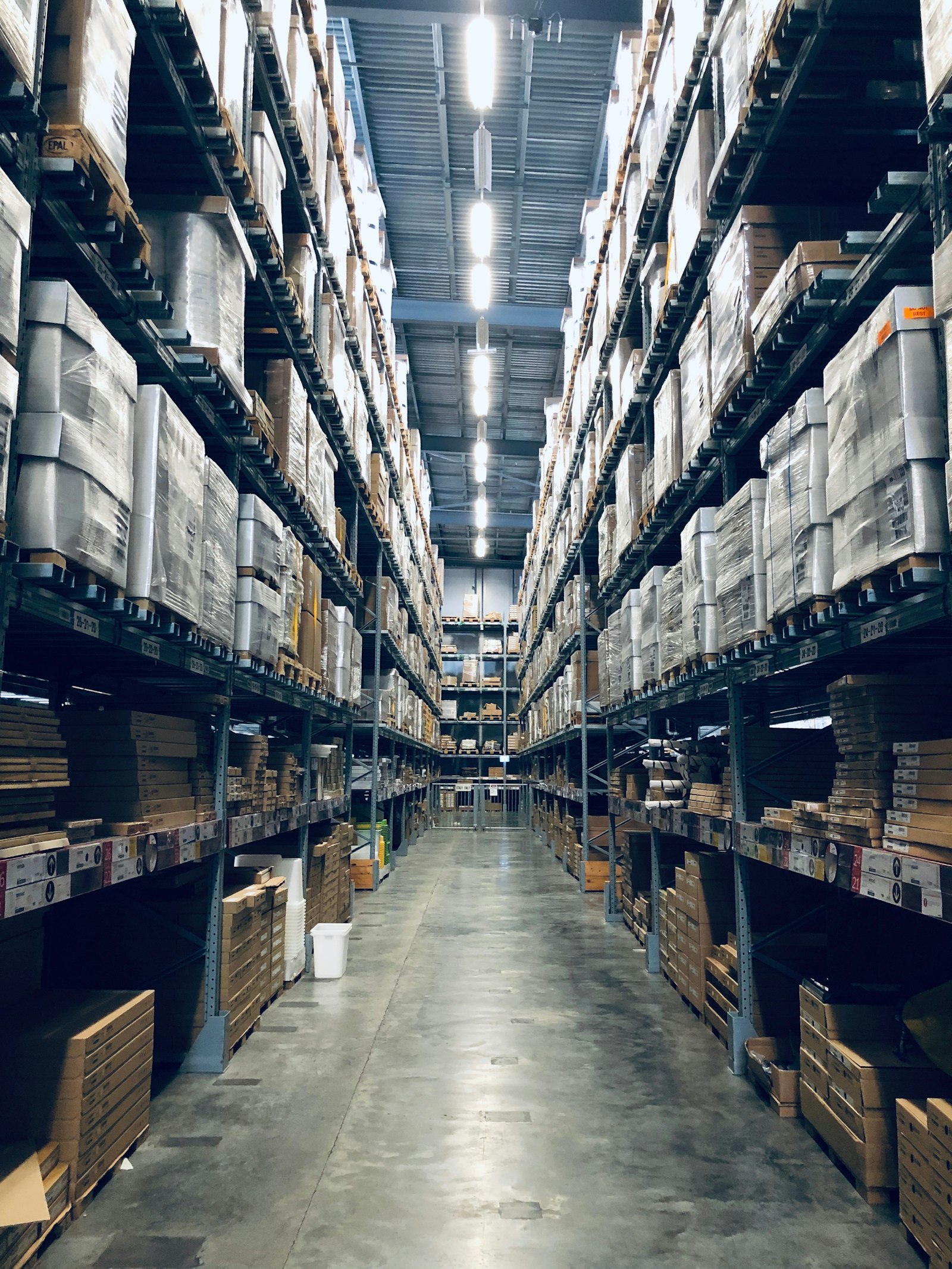
Warehouse pickers walk 10–15 miles per shift on concrete, and in a non-climate-controlled building a summer afternoon can push upper pick levels and trailer interiors past 120°F. Sweat losses on those shifts reach the same 4.8–6 grams of sodium documented for outdoor trade workers. A 3 oz pickle brine shot delivers 570 mg of sodium and triggers a neural reflex that quiets a cramping muscle in about 85 seconds (Miller 2010) — which is why the shot belongs in the locker, not just the gym bag. The full shift protocol is below.
Warehouse work hides its heat problem indoors. There is no sun, so nobody calls it a heat job — but a steel-skinned building with a dark metal roof soaks radiant load all day, heat stratifies upward toward the third and fourth pick levels, and the dock trailers act like parked ovens. Add a pick rate that never slows down and you get a sweat-and-sodium drain that looks a lot more like a roofing crew than an office. The classic symptom is not a mid-shift collapse: it is the calf or hamstring that locks up on the drive home, or at 2 a.m., hours after the badge-out.
This page is the warehouse version of the protocol: the five warehouse-specific cramp drivers, the 85-second mechanism, sodium density vs the break-room vending options, and a 5-stage shift plan built around scan rates and break windows. It pairs with pickle juice for line cooks, pickle juice for nurses, and pickle juice for welders — same indoor-heat family, different floor.
The Indoor Heat Trap: Why Warehouse Workers Cramp
Most distribution centers in the U.S. are not air-conditioned in the pick modules. By mid-afternoon in June, interior temperatures in a metal-roofed building routinely run at or above the outdoor temperature, and the air at a fourth-level pick position is hotter than the air at the floor — heat stratifies, and the racking puts workers up in it. OSHA's heat-illness guidance explicitly covers indoor workplaces like warehouses for exactly this reason: the building does not need sun exposure to put a working body in the danger zone, it just needs trapped heat plus exertion.
The exertion side is the part the public underestimates. A picker in a large fulfillment center logs 10–15 miles of walking per shift on bare concrete, much of it pushing a cart or hauling totes. Published work-shift sweat-loss data from Bates and Schneider (2008, PMC2267797) put trade-worker sodium losses at 4.8–6 grams per shift in hot conditions — and a peak-season warehouse shift in an un-cooled building sits squarely in that range. Water alone replaces the volume, not the salt. That is why the cramp shows up after the shift, when the muscle finally stops moving and the deficit catches up.
Five Warehouse-Specific Cramp Drivers
Generic heat-safety posters cover water, rest, and shade. A warehouse floor needs a model built around the building and the rate. These five drivers stack on every summer shift:
- Trailer duty is oven duty. An enclosed trailer at the dock can exceed 120°F inside on a 90°F day — loaders and unloaders work the hottest microclimate in the building, often in 20–30 minute stretches with zero airflow. One trailer rotation can out-sweat an hour anywhere else on the floor.
- The rate does not care that it is hot. Pick rates, pack rates, and scanner timestamps run the same in July as in January. Slowing down to drink more is a productivity conversation, so workers skip fluids to protect their numbers — the deficit compounds quietly until the muscle files its complaint.
- Concrete is a fatigue multiplier. Ten-plus miles on an unforgiving slab loads calves and feet differently than soil or asphalt. Calf fatigue is the strongest mechanical predictor of the end-of-shift calf cramp — the same muscle that locked on the stairs at home was pre-fatigued by mile twelve.
- Peak season is a depletion season. Prime-event weeks and holiday peak mean mandatory extra shifts, five and six days in a row. Day one's sodium deficit rolls into day two. By the third consecutive shift, a worker who never replaced salt is starting each day in a hole — the documented setup for both cramps and worse heat illness.
- The night-shift whiplash. Overnight crews sleep through the coolest hours and work through the building's stored heat. Sleep disruption is itself a cramp multiplier, and the building's thermal mass means the 2 a.m. floor can still be radiating the afternoon's load.
The 85-Second Mechanism: Why Brine Beats Water
The reason a 3 oz pickle brine shot works on an active cramp faster than water, salt tablets, or sports drinks is that the brine does not need to be absorbed to work. The original Miller 2010 study at North Dakota State University (published in Medicine & Science in Sports & Exercise, PubMed 19997012) showed that pickle brine quiets an electrically-induced cramp in about 85 seconds — far too fast for sodium to reach the bloodstream from the stomach.
The current explanation: acetic acid hits sour-taste receptors (TRP channels) in the back of the throat and esophagus, which fires a vagal-nerve reflex that resets the misfiring motor neurons causing the cramp. The cramp signal stops at the spinal cord, not at the muscle. That is why brine works on a cramp now, while the 570 mg of sodium does its slower job replacing the deficit over the next 30–60 minutes.
Two takeaways for the warehouse floor:
- An active cramp is a brine-shot problem. Step out of the pick path, take the shot, give it 85 seconds. The neural reflex needs liquid brine on the tongue and throat — salt tablets and electrolyte powders do not trigger it.
- The shift-long deficit is a volume problem. The shot is the off-switch and the densest sodium top-up in the locker — it is not the half-gallon of fluid the shift still requires. OSHA's cadence for hot work is 8 oz of water every 15–20 minutes.
Sodium Density: The Break-Room Comparison
The number that matters for an active cramp is sodium per serving — how much salt arrives with the brine reflex. The number that matters for the shift-long drain is total sodium per hour. Here is how a 3 oz Fast Pickle shot stacks against what is usually in the vending machine or the lunchbox:
| Product | Serving | Sodium | Sugar | Onset |
|---|---|---|---|---|
| Fast Pickle (3 oz shot) | 3 oz / 89 ml | 570 mg | 0 g | ~85 sec (cramp reflex) |
| Gatorade Thirst Quencher (20 oz) | 20 oz | 270 mg | 34 g | 20–30 min (absorption) |
| Powerade (20 oz) | 20 oz | 250 mg | 34 g | 20–30 min |
| Sqwincher Lite (powder, 8 oz) | 8 oz | 120 mg | 0 g | 20–30 min |
| Liquid IV (packet, 16 oz) | 16 oz | 500 mg | 11 g | 20–30 min |
| LMNT (packet, 16 oz) | 16 oz | 1,000 mg | 0 g | 20–30 min |
| Salt tablet | 1 tablet | ~390 mg | 0 g | 30–60 min, no reflex |
Per ounce, nothing in the break room comes close: 190 mg of sodium per ounce vs 13.5 mg for Gatorade. The shot is also the only option on the table that fires the 85-second reflex, because the reflex needs the vinegar, not just the salt. For shift-long sipping, a low-sugar electrolyte mix in the water bottle is a fine companion — the 12-pack is the acute tool and the densest top-up, not a replacement for the bottle.
The 5-Stage Warehouse Shift Protocol
Stage 1 — The night before
A salted dinner and normal fluids. If yesterday's shift ended in a cramp — or you woke up with one — you finished the day in deficit, and tonight's sodium is what tomorrow starts on. The nighttime leg-cramp protocol covers the 2 a.m. wake-up call in detail.
Stage 2 — Pre-shift
Breakfast with real sodium, plus 16 oz of fluid before badge-in. Coffee and an energy drink on an empty stomach is a diuretic stack on an empty sodium tank — the most common way to start a summer shift pre-depleted.
Stage 3 — The break windows
Warehouse breaks are scheduled and short, so dose on the schedule: 8–16 oz of fluid every break, and one shot at the mid-shift break on hot days, before the cramp — the 570 mg top-up lands mid-drain instead of after it. Shots are 3 oz and shelf-stable: one fits in a pocket, the box lives in the locker at any temperature.
Stage 4 — Trailer duty
Treat a trailer rotation like its own heat event. Fluid before you go in, and if a calf or hamstring starts twitching inside the box, step out, take the shot, give it 85 seconds. A locked calf on a dock plate next to moving freight is a recordable waiting to happen, not a toughness test.
Stage 5 — Badge-out
One shot or a salted meal within an hour of clock-out, plus fluid. This is the stage warehouse workers skip most, and it is the one that decides whether the cramp shows up on the drive home, at midnight, or not at all. The end-of-shift shot is the cheapest insurance on this page.
Five Warehouse Mistakes That End In Cramps
- Drinking water only, all shift. Volume without salt dilutes what sodium is left. The all-water picker is the one whose hamstring locks at hour nine.
- Protecting the rate instead of the break. Skipped fluids to protect a scan rate is borrowing against the back half of the shift — and the cramp always collects with interest.
- Treating the trailer like the floor. The box at the dock is 20–40°F hotter than the aisle. Dose for it separately.
- Trying to stretch out an active cramp and keep picking. Stretching helps, but it does not fix the misfiring motor neuron. Shot, 85 seconds, then stretch.
- Starting peak week the way you ended the last one. Back-to-back shifts roll the deficit forward. The worker who cramped Tuesday is the most depleted body on Wednesday's floor — front-load stages 1–2.
Pack-Size Picks for Warehouse Workers
- 12-Pack ($28.99, $2.42/shot) — the locker default. Mid-shift shot plus badge-out shot through a hot stretch, and it ships free. The right size for one worker through peak season.
- 24-Pack ($49.99, $2.08/shot) — the break-room box. For the lead or safety manager stocking a shared cooler — same pattern the concrete crew page uses for trailer coolers.
- 6-Pack ($14.99, $2.50/shot) — the first-try size. One heat wave's worth for a skeptic or a new hire's first summer on the floor.
Frequently Asked Questions
Can I keep the shots in my locker or lunchbox?
Yes. Fast Pickle is shelf-stable and does not need refrigeration — a metal locker in a hot building is fine. Cold shots are nicer to drink; warm shots work the same on a cramp.
Why do my legs cramp at night after a shift, not during it?
During the shift the muscle is moving and the deficit is still building. At rest, a fatigued, sodium-depleted calf is exactly the setup for the misfiring motor neurons behind nocturnal cramps. The badge-out shot in stage 5 exists for this — and the nighttime cramp page covers the bedside version.
How fast can I realistically take a shot on the floor?
It is 3 oz — two swallows, under thirty seconds, and the reflex starts working from the first one. Step out of the pick path or off the dock plate first.
How is the shot different from the electrolyte powder in my bottle?
The powder is absorption-based: 20–30 minutes to arrive, good for steady sipping. The shot is reflex-based: liquid brine on the throat fires the ~85-second neural off-switch, and its 570 mg of sodium follows behind. Different tools — the bottle is the drip, the shot is the switch.
Does the vinegar cause stomach issues mid-shift?
For most workers, no — 3 oz is a dosed amount, not a jar of brine. If you are sensitive, chase it with a few ounces of water. The Miller protocol used roughly this volume on working subjects without GI events.
I take blood-pressure medication. Is 570 mg of sodium safe?
For most workers without a clinical sodium-restriction diagnosis, 570 mg per shot is well within standard intake (the FDA daily reference is 2,300 mg) — especially on a day you are sweating out multiples of that. If you have hypertension, kidney disease, or heart failure and your doctor has you on a low-sodium diet, talk to them before adding any high-sodium product, including sports drinks and salt tablets.
Does this fit our site's heat-illness prevention program?
OSHA's proposed Heat Injury and Illness Prevention rule explicitly covers indoor work settings like warehouses above trigger temperatures. Fast Pickle is a hydration/electrolyte product that fits inside that framework alongside water, airflow, and rest breaks — it is not a substitute for engineering controls or the break requirements.
What about overnight shifts?
Night crews work through the building's stored heat on disrupted sleep — both cramp multipliers. Run the same 5-stage protocol shifted to the schedule: the "night before" stage becomes the afternoon before, the pre-shift meal is dinner.
What is the difference between a heat cramp and heat exhaustion?
Heat exhaustion (dizziness, nausea, confusion, heavy sweating with cool clammy skin) is a medical emergency — get the worker to a cooled area, cool the body actively, and escalate per your site's protocol. The shot is for the muscle-cramp piece of the heat-illness spectrum, not for heat exhaustion or heat stroke.
Can my employer buy these in bulk for the break room?
Yes — the 24-pack is the break-room unit, and the 1-gallon jug covers tailgate-style dispensing for large crews. Safety managers stocking multiple sites can reach out through the site for wholesale.
*These statements have not been evaluated by the Food and Drug Administration. This product is not intended to diagnose, treat, cure, or prevent any disease. Talk to your doctor before adding any high-sodium product to your regimen if you have hypertension, kidney disease, heart failure, or are on a sodium-restricted diet.