
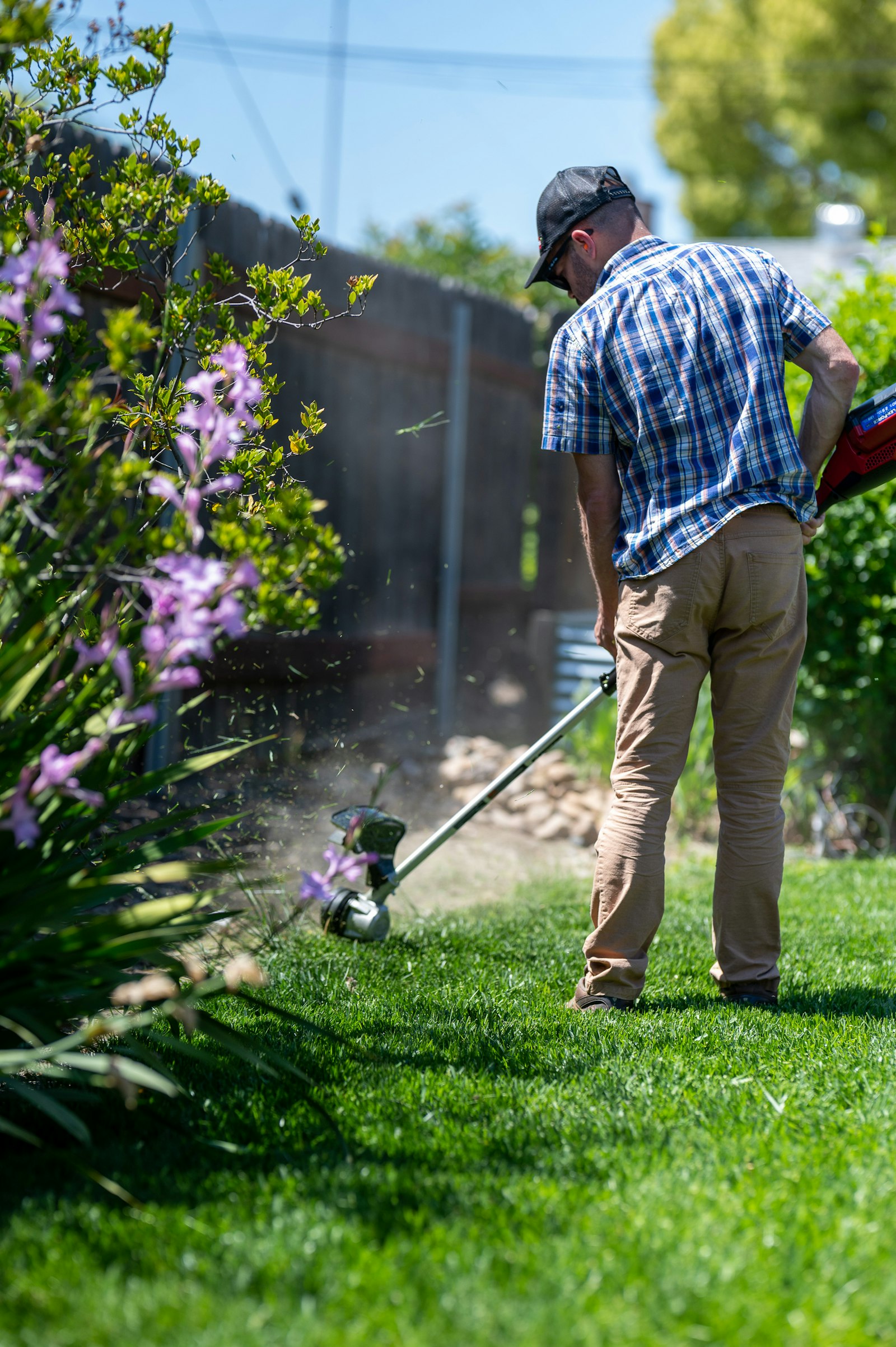
Yes — pickle juice is one of the fastest cramp tools a landscaper can keep in the truck on a hot mow day. Lawn-care crews and tree-care workers can lose 1 to 2 liters of sweat per hour in summer heat, with sweat sodium running 900 to 1,800 mg per liter — and the CDC NIOSH bulletin on landscaping/tree-care heat illness puts total sweat sodium losses at 4.8 to 6 grams per shift. A 3 oz pickle brine shot delivers 570 mg of sodium in one swallow and triggers a vinegar-driven neural reflex that quiets cramp signals in roughly 85 seconds — faster than any sports drink can absorb. It is the truck-cup-holder "off switch" for cramps between yards, not a replacement for the water cooler.
Fast Pickle's 3 oz shot was built for the kind of crew that does six lawns before lunch and another five after, with the trailer parked on a curb at 95°F and no break room in sight. An athlete-grade sodium load, a shelf-stable bottle that lives in the truck console or a soft cooler all summer, and a vinegar-triggered cramp reflex that works while the foreman is still finishing the trim line. This guide breaks down why landscapers cramp on the third yard, what the science of the brine reflex actually says, and how to fold a shot into the mow-trim-blow rhythm without losing a crew member to a cramp on the last yard of the day.
Why Landscapers Are at High Risk for Heat Cramps
The landscaper cramp pattern is the second-worst-case stack in outdoor work, right behind roofers on a tear-off. The crew is on direct-sun grass and concrete all day, in long pants and steel-toe boots, pushing a self-propelled mower with a 50-pound backpack blower already strapped on for the next address. The combination is why most crew leads can name the cramp call on the third or fourth yard of the day in July.
Mowed grass and asphalt run hot. Weather reports the air temperature in the shade. A landscaper is not in the shade. A residential driveway at noon can hit 130 to 150°F surface temperature in direct July sun, and a freshly mowed turf surface still climbs 20 to 35°F above ambient. The radiant load comes back up through the boots and the mower deck all day. The CDC NIOSH bulletin on landscaping and tree-care workers calls this combined heat strain the leading driver of rhabdomyolysis and severe heat illness in grounds-maintenance crews.
Sweat rates climb fast on a self-propelled push mower. Field measurements of lawn-care and grounds-maintenance crews report sweat rates of 1 to 2 liters per hour during active mowing, edging, and blowing in summer conditions, with peaks above 2 L/hour on the largest residential and HOA jobs. A crew that started at 7 a.m. has already pushed 4 to 8 liters through their shirts by noon. Most of the sodium goes with it.
Sodium loss is concentrated and well-documented. Sweat sodium concentrations in trade workers run 40 to 80 mmol/L, or 900 to 1,800 mg per liter. At 1.5 L/hour across a 9-hour mow day, the math lands exactly where the NIOSH bulletin and Bates & Schneider's sweat-rate research on work in the heat put it: 4.8 to 6 grams of sodium lost per shift, equivalent to 10 to 15 grams of salt. That is two to three times the FDA daily-value target, sweated out by 4 p.m.
PPE compounds the problem. Long pants for trimmer kickback, steel-toe boots for blade safety, eye protection, hearing protection, and a backpack blower on the shoulders are all heat traps. Evaporative cooling — the body's only meaningful cooling channel above 90°F ambient — drops noticeably under standard landscape PPE. The sweat is still leaving the body, but it is not cooling as effectively as it should, so core temperature drifts up faster than it does on a comparable hike.
The cramp window opens by the third yard. The first yard goes down on adrenaline and breakfast sodium. The second yard is still inside the buffer. By the third yard — usually somewhere between 10:30 a.m. and noon — the deficit is real. Calf and hamstring fibers start twitching during the walk back to the trailer, and the crew lead starts noticing crew members shaking out their legs at the tailgate while reloading the blower fuel.
The 85-Second Reflex That Quiets the Cramp
Pickle juice does not work the way most crews assume. The cramp relief is not about absorbing sodium — the gut cannot pull electrolytes into the bloodstream that fast. The mechanism, published by Miller and colleagues in Medicine & Science in Sports & Exercise (2010), is a neural reflex triggered by the vinegar (acetic acid) hitting the back of the throat and upper esophagus.
The acidity activates oropharyngeal receptors that fire an inhibitory signal up the vagus nerve to the spinal motor neurons driving the cramping muscle fibers. The signal quiets the firing pattern — and it does it in an average of 85 seconds from swallow, against a placebo average of about 134 seconds when no reflex is engaged. That is the off-switch a crew lead needs when a calf locks on a landscaper standing on a slope with a string trimmer still running.
The 570 mg of sodium in a 3 oz Fast Pickle shot still matters — it absorbs into the bloodstream over the next 20 to 40 minutes as part of the rehydration story. But the immediate relief that lets a landscaper finish the trim line or get back to the truck without limping is the reflex, not the sodium. That is why a brine shot beats a 20 oz sports drink for an acute cramp at the curb, even when the sports drink technically carries comparable sodium per bottle.
When Cramps Hit on a Mow-Day Route
Cramps almost never strike on the first yard of the morning. They show up in four predictable windows that every veteran crew lead learns to watch for.
End of the third yard, late morning. The first two yards burn through the breakfast sodium buffer without obvious warning. By the third — usually finishing somewhere between 11 a.m. and noon in the heat ramp — the deficit is real. Cramps in the calves, quads, or the small intrinsic foot muscles inside steel-toe boots are the first warning. Crews often blame "tight boots" or "long grass" instead of identifying the sodium pattern.
The second yard after lunch. The crew sits in the truck cab with the AC on, eats a sub sandwich and a Gatorade, and gets back out at 1:15 p.m. into the hottest hour of the day. The post-lunch yard is the cramp-window peak: blood is in the gut digesting the meal, the body has just dumped 15 minutes of acclimatization, and the next yard is the one with the steep backyard slope. Most full-yard cramp calls happen here.
Pushing the mower up a slope. A self-propelled walk-behind on a 15-degree grade is the highest-effort moment in a typical day. The calf and the front of the quad are working at near-anaerobic loads while already 4 hours into a sweat. This is the cramp pattern most likely to put a crew member on the ground next to a still-running mower — and the reason most crew leads insist on a hand-held trimmer or a rider for the steepest sections instead of a walk-behind.
2 a.m. nighttime leg cramps after a brutal route day. The landscaper is home, dinner is in, beer is open, calf is fine. At 2 a.m. the foot starts to point, the calf locks, and he is awake for 20 minutes trying to walk it off. The cramp is the cumulative deficit cashing in during the overnight fluid shift. This is the same nighttime-cramp window the half-shot-before-bed protocol addresses for cramp-prone outdoor trades.
Pickle Juice vs Sports Drinks for Lawn Crews
Most landscape trucks carry a 5-gallon orange cooler of water and a sleeve of Gatorade bottles in the cab. They all do something. The question is whether they do enough, fast enough, for the sodium load of a real summer route.
| Drink | Sodium per serving | Sugar | Onset (cramp relief) |
|---|---|---|---|
| Fast Pickle 3 oz shot | 570 mg | 0 g | ~85 seconds (neural reflex) |
| Gatorade Thirst Quencher (20 oz) | 270 mg | 34 g | 20 to 40 minutes (absorption) |
| Gatorade Endurance (20 oz) | 620 mg | 22 g | 20 to 40 minutes (absorption) |
| Powerade (20 oz) | 250 mg | 34 g | 20 to 40 minutes (absorption) |
| Sqwincher Lite (20 oz) | 200 mg | 1 g | 20 to 40 minutes (absorption) |
| LMNT packet (in 16 oz water) | 1,000 mg | 0 g | 20 to 40 minutes (absorption) |
| Liquid IV packet (in 16 oz water) | 510 mg | 11 g | 20 to 40 minutes (absorption) |
| Salt tablet (1 g NaCl) | 390 mg | 0 g | 30 to 60 minutes; nausea risk at high dose |
The takeaway: for the acute cramp moment, a brine shot wins because the reflex doesn't wait for digestion. For shift-long rehydration, a higher-sodium powder like LMNT or a rotation of Sqwincher bottles handles the bulk fluid replacement. A smart route-day protocol uses both: the brine shot as the truck-console cramp reset and morning sodium pre-load, followed by a steady cooler rotation of low-sugar electrolyte beverages between yards. Sugar matters here — the crew is already nauseous from the heat, and a 34 g sugar load on top of a 130°F driveway reliably triggers GI distress on the next mow.
The Route-Day Protocol: Pre-Load, Mid-Route, Post-Shift
The landscapers who learn to stop cramping in August are not drinking more water. They are timing sodium to the load. The protocol below is the same five-stage frame the concrete-crew article and lineman article use, adjusted for the yard-by-yard rhythm of a lawn-care route.
- Night before a 90°F+ forecast day: One 3 oz shot with dinner. Loads sodium into the overnight recovery window so the crew wakes up replete rather than down 1 to 3 grams from the prior shift.
- Morning, 30 to 60 minutes before the first yard: One shot with breakfast or at the shop before the trailer pulls out. Front-loads sodium before the first mow pulls it back out.
- Mid-morning, after the third yard: One shot at the trailer while reloading the blower fuel. The reflex quiets any twitch that is already starting and resets the sodium clock before the noon heat ramp.
- Acute cramp dose, any time: If a calf, quad, or hamstring locks mid-yard, the crew member shuts off the mower or trimmer, walks to the truck, and takes a shot. The 85-second reflex usually clears the cramp before he needs to sit down on the curb for ten minutes.
- End of shift, at the shop or last stop: One shot with the post-shift water bottle. Begins the overnight recovery sodium load and prevents the 2 a.m. calf-cramp wake-up that costs the crew member sleep before day two of the route.
That is up to five shots on a brutal day and one or two on a moderate one — which is why a case in the truck console or a soft cooler is the right landscape-supply pattern, not a single 6-pack at the gas-station checkout.
Rhabdo, Hyponatremia, and the CDC NIOSH Warnings
The two heat-related medical emergencies landscapers are most likely to face are rhabdomyolysis ("rhabdo" — rapid breakdown of muscle tissue under heat and exertion) and exertional hyponatremia (low blood sodium from over-drinking plain water without sodium replacement). The brine shot helps prevent both — but it does not treat either once they have set in.
Rhabdo is the one OSHA and CDC focus on for landscaping crews. The 2021 NIOSH science bulletin on rhabdomyolysis in landscaping and tree-care workers lists overexertion in the heat as the leading driver, with rising core body temperature and muscle overload as the proximate causes. The warning signs are dark, tea-colored urine, muscle pain disproportionate to the work done, weakness, and persistent nausea. A crew member with these symptoms needs to be pulled off the route and evaluated in an ER — not given another shot. The OSHA heat-illness reference page covers the broader symptom set.
Hyponatremia is the under-recognized one on long water-only days. A crew member who drinks 6 to 8 liters of plain water across a 10-hour shift with no sodium replacement can drop blood sodium below the safe threshold. Confusion, headache, nausea, and in severe cases seizures follow. The brine-shot protocol prevents this exact pattern by keeping sodium intake in step with sweat loss — but it is not a treatment once symptoms have advanced. Severe hyponatremia is a medical emergency.
Acclimatization is the single largest preventable factor. Around half of all heat-related deaths in outdoor workers occur on the first day, and over 70 percent during the first week of hot work. New crew members in May and June are not yet acclimatized; their sweat is saltier, their core temperature climbs faster, and their cramp risk is the highest it will be all summer. A 7- to 14-day ramp-up — shorter routes, more breaks, conservative pre-loading — is the OSHA-recommended pattern, and the moment to be most aggressive with the brine-shot sodium protocol.
5 Mow-Day Mistakes That Stack the Cramp
The crew leads whose teams never cramp tend to avoid the same five errors. The crews that cramp twice a week in July tend to make all five.
1. Drinking only water all day. Plain water dilutes the remaining blood sodium, which makes the cramp worse, not better. Every liter lost as sweat needs roughly 900 to 1,800 mg of replacement sodium. A 5-gallon-water-cooler-only protocol on a hot route is a recipe for a noon cramp at the third yard and a 5 p.m. cramp on the last walk back to the trailer.
2. Skipping breakfast sodium. A coffee and a granola bar is about 200 mg of sodium. Three yards later, the crew member is in the hole 3,000 mg and hasn't replaced any of it. A breakfast with eggs, bacon, and toast (or a brine shot) provides 1,000 to 1,500 mg up front and buys the morning.
3. Waiting for a full lockup before reaching for sodium. The reflex works best when the shot is taken at the first twitch, not after the cramp has fully recruited the muscle. Crews who keep a shot in the truck cup-holder and use it at the first twinge rarely lose a yard to a full lockup.
4. Treating the shot as the daily plan instead of the acute tool. The brine shot is concentrated. It is not a "drink all day" beverage on the route. Daily hydration is water and food; the shot is the on-deck sodium and the cramp off-switch. Trying to live on shots is wrong and the crew will hate the taste by lunch.
5. Sending a crew member who cramped yesterday onto today's hottest backyard. Sodium debt rolls forward. A crew member who cramped on day one of a heatwave should not be the one running the walk-behind up a south-facing slope on day two — at minimum he gets a morning pre-load shot and a position on the trimmer or the blower until his appetite for salty food returns and his urine is back to a normal straw color.
Pack Sizes — Which One For Which Crew
Fast Pickle ships in three sizes. The right one depends on whether the buyer is a single owner-operator stocking the truck, a foreman supplying a 3-man crew, or a landscape company outfitting four trucks for the summer.
12-pack — the truck-console default. $28.99, $2.42 per shot. The right starting size for a single owner-operator who wants a few in the cup-holder and the rest at home, or for a foreman trying it across one route before standardizing the whole company. Fits in a small soft cooler in the truck. Shop the 12-pack here.
24-pack — the trailer-cooler pack. $49.99, $2.08 per shot. Lives in the trailer soft cooler all summer. Covers a 3-man crew on a hot route for a full week, or a single foreman across most of a season. Best per-shot price in the lineup. The pattern most company owners settle into by the end of June. Shop the 24-pack here.
6-pack — the try-it-first. $14.99, $2.50 per shot. The right size for the new hire or the helper who wants to test the reflex on his first hot day before committing to a case. Shop the 6-pack here.
What About Daily Use Between Jobs?
Fast Pickle is built for the acute window — the brine shot is concentrated, intentionally not a "drink all day" beverage. For daily sodium support between routes, landscapers who run hot are usually better served by adding salt to meals, drinking an LMNT or low-sugar electrolyte beverage with breakfast, and saving the brine shot for the truck cup-holder and the hot yards.
The exception: landscapers who routinely cramp at night after a hot route day sometimes use a half-shot (1.5 oz) before sleep to load sodium into the overnight recovery window. This is the same pattern the nighttime leg cramp protocol describes, and it is one of the highest-leverage habits a cramp-prone landscaper can adopt during a heatwave week.
Frequently Asked Questions
Can I drink a shot in the middle of a yard?
The shot is 3 oz, twist-top, and takes about 4 seconds to drink — most landscapers who carry one keep it in the truck cup-holder or a tool-belt pouch and take it between yards or at the trailer reload, not mid-trim line. The reflex works just as well standing on the curb with the bottle in one hand as it does standing in the kitchen. If a cramp hits mid-yard, shut off the mower or trimmer, get to the truck, and take the shot; you will be back at it in two minutes.
Is the vinegar hard on the stomach in 95°F heat?
Most users report no GI issues. The shot is buffered by real pickle brine, not straight vinegar, and the dose is small. If you have a known acid-reflux history or a sensitive stomach during exertion, take the shot at the truck before starting the next yard rather than mid-mow, and follow with water.
Does pickle juice replace water on a hot route?
No. The shot is a fast-acting electrolyte and reflex tool, not a fluid replacement. Standard landscape hydration — a gallon to a gallon and a half of water across the shift, more on a 100°F day, ideally with a low-sugar electrolyte powder in part of it — still applies. The shot adds concentrated sodium and the cramp reset to that base.
Why not just take a salt tablet between yards?
Salt tablets provide sodium but no neural reflex. They also tend to absorb in a slug, which can trigger nausea at high doses on an empty stomach — and a nauseous landscaper running a string trimmer is a worse problem than a cramp. The brine shot pairs the sodium with the vinegar-triggered cramp dampening, which is what most crew leads are actually after when they reach for one mid-route.
Is Fast Pickle OK for landscapers on blood-pressure medication?
Landscapers with medically managed sodium restrictions — most commonly tied to blood pressure or cardiac history — should clear any sodium-front-loading strategy, including brine shots, with their personal physician. The 570 mg in a single shot is meaningful and counts against a daily sodium budget. Most otherwise-healthy landscapers losing 4 to 6 grams of sodium across a summer shift need more sodium, not less, but this is a per-person medical question.
Will the shot leak or spoil in a hot truck cab?
No. The bottle is shelf-stable up to 120°F and the seal is engineered for storage in a truck console, trailer, or job-box. Most crews keep a small soft cooler with ice packs in the trailer anyway for the cold-water-and-shot combo, but the shot does not require refrigeration to remain safe or effective.
Does this help with heat exhaustion symptoms beyond cramps?
The shot directly addresses sodium loss and the cramp reflex. It is not a treatment for heat exhaustion or heat stroke — those require active cooling, fluids, shade, and in many cases medical evaluation. If a crew member is showing confusion, slurred speech, persistent nausea, dark tea-colored urine, or stops sweating, the response is to get him off the route, cool him down, and call EMS — not add another shot. See the broader breakdown in our heat-exhaustion guide.