
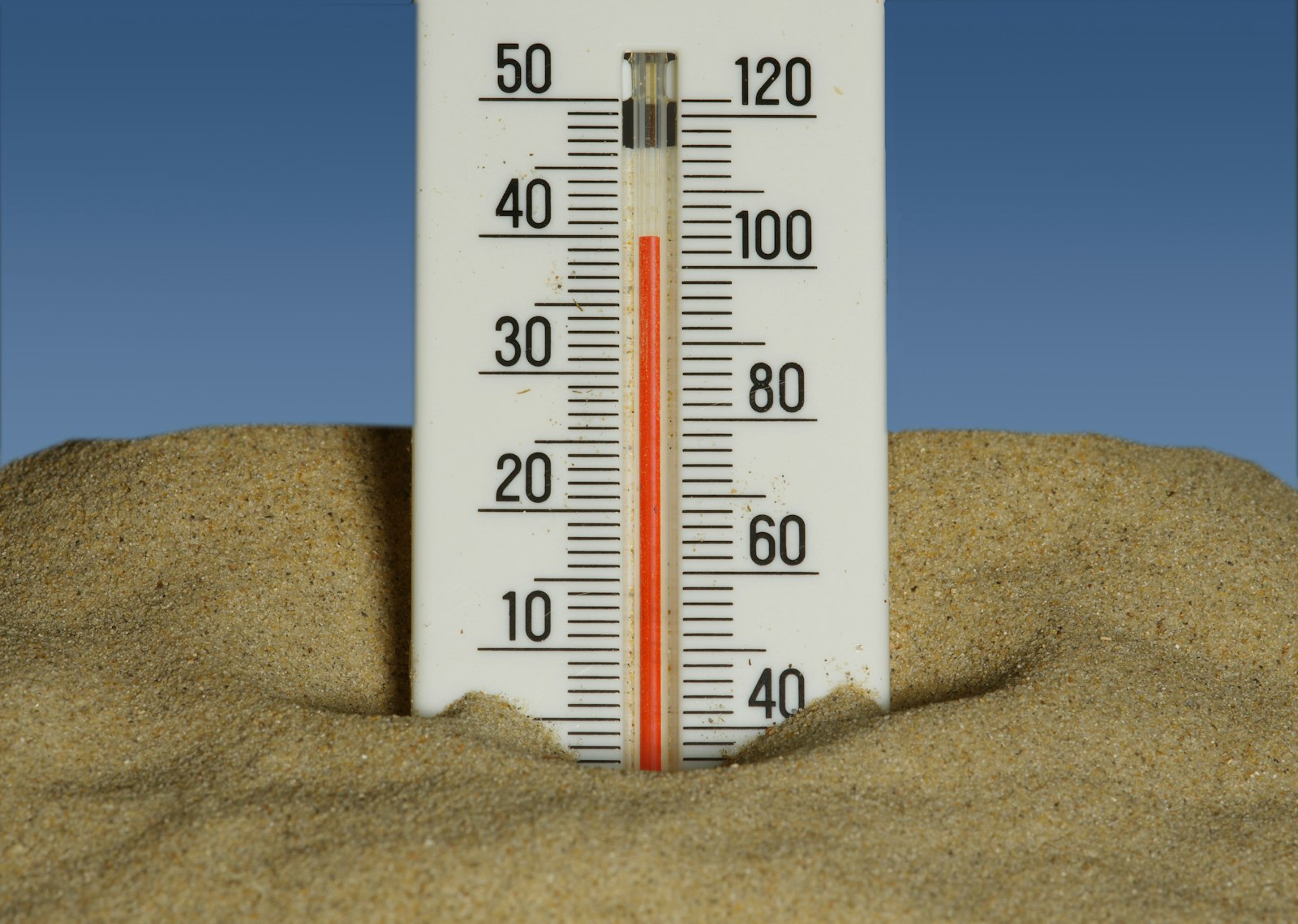
Yes — pickle juice can help relieve early heat exhaustion because it rapidly replaces the sodium your body loses through heavy sweat. Heat exhaustion is driven as much by electrolyte depletion as by dehydration, and a concentrated brine shot restores the sodium gradient faster than water or diluted sports drinks. It is not a treatment for heat stroke, which is a medical emergency and requires immediate cooling and 911.
When you work, train, or play in hot weather, your body can lose 1 to 3 grams of sodium per hour through sweat. Replace the fluid without replacing the salt, and you end up with the classic heat-exhaustion symptoms: heavy sweating, weakness, nausea, dizziness, and muscle cramps. A 3 oz pickle brine shot delivers roughly 570 mg of sodium in a fast-absorbing, sugar-free package — which is why athletic trainers, firefighters, and outdoor crews have carried jars of brine for decades.
What Heat Exhaustion Actually Does to Your Body
Heat exhaustion is the stage between ordinary heat stress and life-threatening heat stroke. The CDC lists the warning signs as heavy sweating, cold or clammy skin, a fast but weak pulse, nausea, headache, muscle cramps, and fatigue. Core temperature is typically elevated but still below 104°F (40°C).
Two things are happening at the same time. First, you are losing plasma volume through sweat, which is why blood pressure drops and you feel light-headed. Second, you are losing sodium at a rate that plain water cannot match. Pushing water without sodium actually makes the problem worse — a condition called exercise-associated hyponatremia, where blood sodium falls low enough to cause confusion, vomiting, and, in severe cases, seizures.
Heat exhaustion is a warning that the system is out of balance. Treat the sodium side of that equation and the symptoms usually ease within 15 to 30 minutes.
Why Sodium Is the Key Electrolyte for Heat Illness
Sweat is salty because sodium is the primary electrolyte in extracellular fluid. When it leaves the body at 500 to 3,000 mg per liter of sweat, several systems stall: muscles lose their firing signal, blood pressure drops, and thirst gets dull even though you're still dehydrated. Potassium, magnesium, and calcium matter too, but sodium does the heavy lifting in heat stress.
This is why the American College of Sports Medicine recommends 300 to 700 mg of sodium per liter of fluid for athletes exercising in the heat, and why occupational safety organizations like OSHA recommend salty snacks or electrolyte drinks — not plain water — for outdoor workers in a heat index above 91°F.
Pickle brine fits this brief neatly. It is essentially a hypertonic saline solution that also happens to taste good and stay down when you're nauseated from the heat.
How Pickle Juice Works Faster Than Sports Drinks
The key word is hypertonic. Most commercial sports drinks are isotonic (roughly the same salt concentration as blood) or hypotonic (less salty than blood). A hypertonic brine is saltier than blood, which triggers a reflex in the back of the throat that signals the nervous system almost immediately. Research published in Medicine & Science in Sports & Exercise showed that pickle juice stopped exercise-induced muscle cramps in about 85 seconds — roughly 45% faster than plain water.
For heat exhaustion specifically, the benefit is twofold: the brine signals the nervous system to quiet cramps and nausea, and the sodium load restores plasma volume once fluid is consumed alongside it. That is why you should pair a pickle shot with 12 to 16 oz of water — the shot handles the signal, the water handles the volume.
How Much Pickle Juice Do You Need for Heat Exhaustion?
For a typical adult showing early heat-exhaustion symptoms, 2 to 3 oz of concentrated pickle brine is usually enough, followed by 12 to 16 oz of cool water over the next 15 minutes. That delivers roughly 500 to 600 mg of sodium — close to the amount lost in a single liter of heavy sweat.
For prevention during prolonged heat exposure (long runs, construction shifts, festivals, ultras), sip a 3 oz shot every 60 to 90 minutes alongside your normal water intake. You can also split a shot: 1.5 oz before and 1.5 oz during the effort.
Fast Pickle makes a 3 oz concentrated brine shot specifically for this use case. Each shot contains 570 mg of sodium, zero added sugar, and no artificial sweeteners — the same high-sodium formula athletic trainers have been pouring out of commercial jars for years, just in a portable, measured dose. A 6-pack covers a week of training in the heat; a 12-pack is better for crews and teams.
When Pickle Juice Is NOT Enough — Know the Heat-Stroke Line
Pickle juice is a tool for heat cramps and early heat exhaustion. It is not a treatment for heat stroke. Call 911 immediately and begin aggressive cooling if you or someone near you shows any of the following:
- Core temperature above 104°F (40°C)
- Confusion, slurred speech, or loss of consciousness
- Skin that is hot and dry (sweating has stopped)
- Seizures or rapid, shallow breathing
Heat stroke is a medical emergency. Every minute above 104°F increases the risk of organ damage. Move the person into shade, remove excess clothing, apply ice packs to the neck, armpits, and groin, and get professional help. Hydration and electrolytes are part of recovery, not a substitute for emergency care.
Preventing Heat Illness Before It Starts
Most heat-exhaustion cases are preventable with a simple three-part strategy: hydrate, electrolyte, acclimate.
Hydrate early. Start the day well-hydrated. Pale yellow urine in the morning is your target. Drink 16 to 20 oz of water in the two hours before heat exposure.
Load sodium on heavy days. If you expect to sweat for more than 60 minutes in the heat, plan on 500 to 1,000 mg of sodium per hour. A 3 oz pickle brine shot covers this with a single fast-absorbing dose. Salty snacks, broth, and olives work too, but a concentrated shot is harder to skip.
Acclimate gradually. It takes the body 10 to 14 days to adapt to consistent heat. During that window, reduce intensity, add rest breaks, and increase electrolyte intake. Full heat acclimatization roughly doubles sweat volume while lowering its sodium concentration — but only if you've trained your system to get there.
Who Benefits Most From Pickle Brine in the Heat?
Anyone who sweats heavily for long stretches in warm weather. That includes endurance athletes (runners, cyclists, triathletes), crossfitters and hot-yoga practitioners, roofers and landscapers, firefighters and EMTs, festival-goers, and anyone working a hot kitchen. Salt loss is proportional to sweat loss, and sweat loss is proportional to time and temperature.
Kids and older adults need extra care. Both groups are more vulnerable to heat illness, and both benefit from lower-volume, higher-sodium drinks that don't fill them up. A 3 oz shot paired with water is often easier to get down than 20 oz of a sugary sports drink.
Frequently Asked Questions
Can pickle juice prevent heat stroke?
No. Pickle juice helps with heat cramps and early heat exhaustion, but heat stroke is a medical emergency that requires immediate cooling and 911. Use pickle juice as part of a prevention plan, not as a treatment for severe heat illness.
How fast does pickle juice work for heat exhaustion?
Most people feel relief from cramps and nausea within 1 to 3 minutes because of a neural reflex in the throat. Full recovery from electrolyte depletion typically takes 15 to 30 minutes once you've paired the brine with water and rest in the shade.
Is pickle juice better than Gatorade for heat illness?
For sodium delivery, yes. A 3 oz shot of concentrated brine contains about 570 mg of sodium with no added sugar. A 20 oz Gatorade contains roughly 270 mg of sodium plus 36 g of sugar. In the heat, the brine moves the needle faster and without the glucose spike.
How much pickle juice should I drink on a hot day?
For prevention, 2 to 3 oz every 60 to 90 minutes during heat exposure, paired with normal water intake. For active cramps or early heat exhaustion, one 3 oz shot followed by 12 to 16 oz of cool water.
Can I drink pickle juice every day in summer?
Most healthy adults tolerate daily sodium loading during heavy heat exposure with no issue. If you have high blood pressure, kidney disease, or are on a sodium-restricted diet, check with your doctor before making it a daily habit.
What's the best pickle juice for athletes and outdoor workers?
Look for concentrated brines with high sodium (500 mg or more per serving), no added sugar, and a portable format. Fast Pickle's 3 oz shots were formulated specifically for this use case and ship in 6-packs, 12-packs, and 24-packs for heavy users.
The Bottom Line on Pickle Juice and Heat Exhaustion
Heat exhaustion is a sodium problem disguised as a water problem. Drinking plain water alone can make it worse; drinking sodium alone won't rehydrate you. The combination of a concentrated brine shot plus water hits both sides of the equation and tends to resolve early symptoms within half an hour. Used as a prevention tool, a 3 oz Fast Pickle shot every 60 to 90 minutes during heavy heat work keeps the electrolyte tank topped up before symptoms start. Keep a shot in your bag this summer — your legs, your head, and your crew will thank you.