
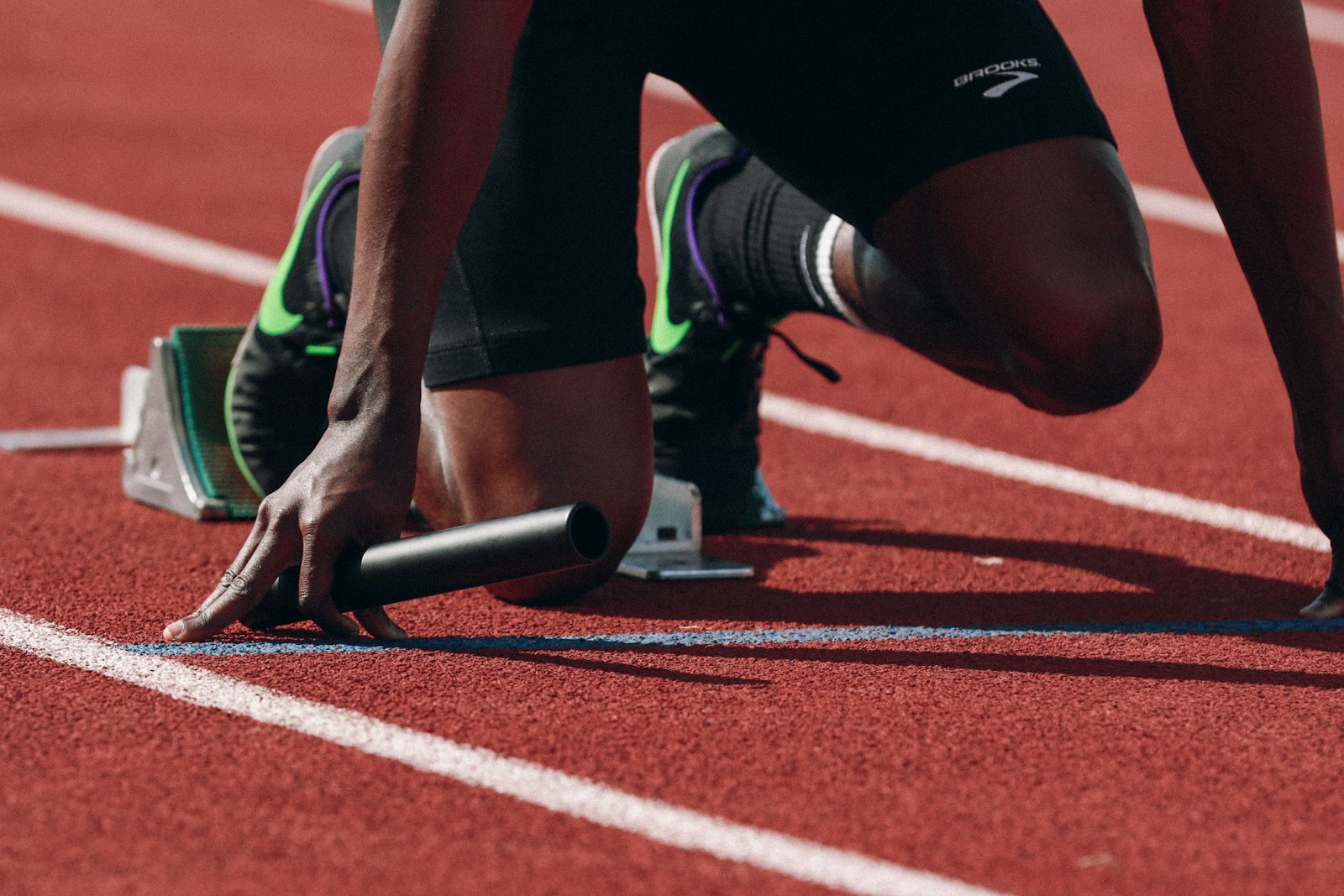
The athlete’s dose is roughly 2 to 3 fluid ounces, taken at the first sign of a cramp. Research published in Medicine & Science in Sports & Exercise used about 1 mL per kilogram of body weight — which lands at 2–3 oz for most adults — and observed cramps resolving in roughly 85 seconds. A 3 oz Fast Pickle shot hits the top of that range: 570mg of sodium, no added sugar, real pickle brine, in a format you can carry in a jersey pocket.
Athletes have used pickle juice on sidelines since the 1990s. The science took two decades to catch up — and what it found wasn’t what anyone expected. The mechanism isn’t electrolyte replacement (that’s too slow). It’s a neurological reflex triggered by the acetic acid in real brine. The dose matters because the reflex is dose-responsive, and 2–3 oz appears to be the sweet spot. The full breakdown is below.
Fast Pickle is a concentrated pickle brine shot built around exactly that mechanism — 570mg of sodium per 3oz serving, real pickle brine, no added sugar, and a hypertonic formulation designed for athletes who need something portable and immediate. This article breaks down the science, explains why pickle juice has earned its place in the sports nutrition conversation, and looks at what makes a concentrated brine shot a smarter option than hauling a jar to the starting line.
Note: Fast Pickle is a food product. The information in this article is educational and reflects existing research on pickle brine and exercise performance. It is not intended to diagnose, treat, cure, or prevent any disease or medical condition. If you experience frequent or severe muscle cramping, consult a qualified healthcare professional.
What Actually Causes Exercise-Associated Muscle Cramps
For a long time, the conventional wisdom was simple: cramps happen because you’re dehydrated or low on electrolytes. Drink more water. Eat a banana. Pop a salt tablet. That advice isn’t entirely wrong, but it doesn’t tell the full story.
Research has challenged the dehydration-and-electrolyte model significantly. Studies examining blood plasma in athletes experiencing exercise-associated muscle cramps (EAMCs) found that electrolyte levels were largely normal during cramping episodes. The muscles were seizing up despite adequate hydration and mineral status. That pointed researchers toward a different culprit.
The Neuromuscular Theory
The current leading explanation for EAMCs is neuromuscular in nature. When muscles fatigue, the nervous system’s control over those muscles starts to break down. Specifically:
- Alpha motor neurons (nerves in the brain stem and spinal cord that tell muscles to contract) become overactive
- Muscle spindles, which trigger the stretch reflex, increase their activity under fatigue, sending more contraction signals
- Golgi Tendon Organs (GTOs), which normally help inhibit muscle contraction, reduce their activity, removing the natural brake on the cramping cycle
The result is a self-reinforcing loop: the muscle gets a signal to contract, the normal inhibitory mechanisms fail to shut it down, and the cramp locks in.
This is why stretching sometimes helps — it mechanically stimulates the GTO, partially restoring the inhibitory signal. But it’s slow, it requires you to stop moving, and it doesn’t always work once a cramp is fully established.
Why Electrolytes Alone Don’t Explain the Speed
One of the most telling pieces of evidence against the electrolyte theory is timing. Research has shown that it takes approximately 30 minutes for even small volumes of liquid to leave the stomach and begin affecting blood electrolyte levels. A muscle cramp during a race or match doesn’t wait 30 minutes. Anything that relieves cramping in under five minutes is almost certainly not doing it through electrolyte absorption — it’s doing something else entirely.
That “something else” is where pickle juice enters the picture.
The Science Behind Pickle Juice and Muscle Cramps
Athletes have been using pickle juice for cramps since at least the 1990s, well before any formal research caught up to the practice. NFL athletic trainers were among the early adopters, and the habit spread through locker rooms, track teams, and endurance communities largely through word of mouth. The science eventually followed.
The Oropharyngeal Reflex Hypothesis
The leading explanation for why pickle juice appears to work so quickly centers on the acetic acid in brine. When the sharp, acidic liquid contacts the back of the throat (the oropharyngeal region), it may trigger a neurological reflex that travels through the nervous system and reduces the overactive signaling in the alpha motor neurons responsible for the cramp.
In plain terms: the brine hits your throat, your nervous system registers a strong sensory input, and that signal may help interrupt the cramping loop already firing in your muscles.
Research published in Medicine & Science in Sports & Exercise found that pickle juice shortened electrically-induced muscle cramp duration by approximately 45% faster than water and 37% faster than nothing at all. Cramp relief occurred in roughly 1.5 minutes on average. Critically, researchers confirmed this was not a placebo effect.
Key finding: Relief came well before any meaningful change in blood electrolyte levels could occur, which is strong evidence that the mechanism is reflex-based rather than nutritional.
What the Research Shows
A 2010 study by Miller et al. remains one of the most cited in this area. Key takeaways:
- Participants who consumed pickle juice recovered from experimentally induced cramps significantly faster than those who consumed water or nothing
- The volume used was approximately 1 mL per kilogram of body weight, which translates to roughly 2 to 3 fluid ounces for most adults
- Relief did not correlate with changes in plasma electrolyte levels, ruling out the sodium absorption explanation
More recently, a randomized controlled trial published in The American Journal of Gastroenterology (the PICCLES trial) examined pickle juice in a clinical cramping population. Researchers at Michigan Medicine found that 69% of participants in the pickle juice group reported their cramps were stopped by the intervention, compared to 40% in the tap water group. Lead researcher Dr. Elliot Tapper noted that pickle juice represents a low-cost, widely available, and safe first-line option for cramping.
What “May” and “Appears To” Mean Here
It’s worth being direct about the state of the science: the research is promising and the mechanistic hypothesis is well-supported, but the full picture is still being studied. The oropharyngeal reflex theory has strong circumstantial and experimental backing, but it hasn’t been definitively proven in every cramping scenario. What the evidence does support clearly is that:
- Pickle juice appears to shorten cramp duration in experimental settings
- The effect is faster than electrolyte absorption can explain
- The acetic acid in brine is the most likely active component
That’s a meaningful body of evidence, and it’s why sports medicine professionals and athletic trainers have incorporated pickle juice into their toolkit for decades.
Why Concentrated Brine Beats a Jar of Pickle Juice
Knowing that pickle juice may help with cramping is one thing. Actually using it in a sports context is another. The traditional approach — keeping a jar of pickle juice in a gym bag or cooler — works, but it’s messy, heavy, and impractical during a race or on a field. A 32-ounce jar of standard pickle juice contains a lot of water, a lot of vinegar, and relatively modest sodium per ounce.
This is the problem Fast Pickle was built to solve.
What Makes Fast Pickle Different
Fast Pickle is a concentrated pickle brine shot, not a diluted sports drink or a flavored powder. Each 3oz serving delivers:
| Feature | Fast Pickle |
|---|---|
| Sodium per serving | 570mg |
| Added sugar | None |
| Format | Ready-to-drink 3oz shot |
| Formulation | Hypertonic (higher concentration than body fluids) |
| Base | Real pickle brine |
The hypertonic formulation matters. A hypertonic solution has a higher solute concentration than the fluid in your body. Standard sports drinks are typically isotonic or hypotonic, designed to be absorbed slowly and steadily. Fast Pickle is formulated for a different purpose: delivering a concentrated, immediate sensory input in the small volume that research suggests is most effective for the oropharyngeal reflex.
Portability Is a Performance Factor
Consider when cramps actually happen: mile 18 of a marathon, the fourth quarter of a soccer match, the back half of a long bike ride. In those moments, you need something you can carry in a jersey pocket, a race vest, or a sideline bag — not something that requires a cooler and a cup.
Fast Pickle shots are designed for exactly those moments:
- 3oz serving size aligns with the research-supported dosage (approximately 1 mL/kg body weight for a 150–180lb athlete)
- No mixing required — open, drink, done
- No added sugar means no energy crash layered on top of an already difficult moment
- Real brine means the acetic acid content that drives the oropharyngeal reflex is present, not replaced with artificial flavoring
The difference between a product that works in theory and one that works in practice often comes down to whether an athlete will actually use it in the moment. A 3oz shot they can carry in their pocket has a much better chance of being there when it matters.
Sodium and Hydration: The Supporting Role That Still Matters
The neurological reflex mechanism is the most compelling explanation for pickle juice’s fast-acting effect on cramping. But that doesn’t mean electrolytes are irrelevant — it means their role is different from what was previously assumed.
Sodium is still a critical mineral for athletes. Heavy sweaters, in particular, can lose significant amounts of sodium during prolonged exercise, and low sodium status over the course of a long event can contribute to fatigue, impaired performance, and overall fluid imbalance. Research has noted that athletes who cramp tend to have higher sweat sodium concentrations than those who don’t — approximately 55 mmol/L versus 25 mmol/L — which suggests sodium loss is a meaningful factor in cramping susceptibility even if it isn’t the immediate cause of a cramp in the moment.
Sodium’s Role in Athletic Performance
According to the Cleveland Clinic, sodium is the primary electrolyte responsible for fluid balance outside of cells, nerve signal transmission, and muscle contraction. During extended exercise, replacing lost sodium helps maintain the fluid environment that muscles need to function properly.
Fast Pickle’s 570mg sodium per 3oz serving provides meaningful electrolyte support within a small, portable format. For context:
- The American College of Sports Medicine recommends athletes replace sodium lost through sweat, particularly during exercise lasting longer than 60 minutes
- Heavy sweaters can lose 1,000mg or more of sodium per hour during intense activity
- A single Fast Pickle shot delivers more than half of what a heavy sweater might need to replace in an hour of training
The practical upshot: Fast Pickle isn’t just useful in the moment a cramp strikes. Used as part of a broader hydration strategy during long training sessions or competition, it supports the sodium levels that help keep cramping at bay in the first place.
No Added Sugar: Why That Matters
Most sports drinks that deliver meaningful sodium also deliver significant sugar. That’s a deliberate formulation choice for products designed to provide energy alongside hydration, but it creates a tradeoff. For athletes who are managing their carbohydrate intake, training fasted, or simply don’t want the caloric load of a sugary drink mid-event, a high-sodium shot with no added sugar is a genuinely different option.
Fast Pickle contains no added sugar, which means athletes can use it alongside their existing fueling strategy without disrupting their nutrition plan.
Who Benefits Most from a Pickle Brine Shot
Pickle brine isn’t a niche product for a niche athlete. Research suggests that up to 95% of active individuals experience exercise-associated muscle cramps at some point. The profile of an athlete who might benefit from Fast Pickle is broad.
Sports and Activities Where Cramping Is Most Common
| Sport / Activity | Why Cramping Risk Is High |
|---|---|
| Distance running | Prolonged muscle fatigue, heavy sweat sodium loss |
| Cycling (road, gravel, MTB) | Extended duration, limited ability to stop and stretch |
| Soccer and football | High-intensity intervals, hot conditions, late-game fatigue |
| Basketball and tennis | Repeated explosive movements, indoor heat |
| Hiking and trail running | Elevation changes, uneven terrain, extended duration |
| Gym training (leg day) | High-volume lower body work, dehydration |
How to Use It
For athletes who want to incorporate Fast Pickle into their routine, the research-backed approach is straightforward:
- At the onset of cramping: Take one 3oz shot immediately. Drink it quickly so the brine contacts the back of the throat — that’s where the reflex is triggered.
- During long events: Consider carrying one or two shots in a race vest, jersey pocket, or sideline bag for use if cramping occurs.
- As part of a sodium strategy: For events lasting longer than 60–90 minutes, using a shot during the event can support ongoing sodium replacement alongside regular fluid intake.
Important: Fast Pickle is a food product and is not intended to replace medical advice. Athletes with underlying health conditions, particularly those affecting sodium metabolism or kidney function, should consult a healthcare provider before significantly increasing sodium intake.
What Athletes Are Saying
Fast Pickle has earned a 4.8-star rating across more than 300 customer reviews since launching in 2025. The feedback consistently reflects what the research would predict: athletes report that it works quickly, that the concentrated format is more practical than traditional pickle juice, and that the lack of sugar makes it easy to fit into any fueling plan. It’s also available through Fleet Feet Sports locations, putting it in front of exactly the endurance athlete community that has relied on pickle juice for decades.
Frequently Asked Questions
Why do athletes drink pickle juice?
Athletes have used pickle juice since the 1990s to address exercise-associated muscle cramps. Research points to an oropharyngeal reflex triggered by the acetic acid in brine that may help interrupt the overactive motor neuron signaling behind a cramp, usually within 1 to 2 minutes.
How fast does pickle juice work on a muscle cramp?
Research published in Medicine & Science in Sports & Exercise reports cramp resolution in roughly 85 seconds after drinking pickle juice. That’s far faster than electrolyte absorption can explain, which is why the mechanism is believed to be neurological rather than nutritional.
How much pickle juice do I need?
The research-supported dose is approximately 1 mL per kilogram of body weight, which translates to roughly 2 to 3 fluid ounces for most adults. A single 3 oz Fast Pickle shot hits that target with 570 mg of sodium in one go.
Is a concentrated shot really better than a jar of pickle juice?
For in-event use, yes. A 3 oz shot delivers standardized sodium, no added sugar, and a hypertonic formulation in a portable package you can carry in a pocket. Grocery pickle jars vary widely in sodium per ounce and are impractical to carry into a race or match.
Is pickle juice safe with high blood pressure?
Each shot contains 570 mg of sodium. If you have clinically elevated blood pressure or are on a sodium-restricted diet, talk with your doctor before adding any high-sodium electrolyte product to your routine. Fast Pickle is a food product and is not a substitute for medical advice.
The Bottom Line
Athletes have trusted pickle juice for cramps for decades, and the science has spent those decades catching up. What the research now suggests is that the mechanism is real, it’s neurological, and it’s fast. The acetic acid in brine appears to trigger a reflex that helps interrupt the misfiring motor neuron signals responsible for exercise-associated muscle cramps, and it does so in a timeframe that no electrolyte absorption theory can explain.
Fast Pickle takes that science and makes it practical. A concentrated 3oz shot of real pickle brine, 570mg of sodium, no added sugar, and a format that fits in a pocket. It’s not a magic fix, and no food product is. But for athletes who cramp and want something evidence-informed, portable, and clean, it’s a smart option to have on hand.
This article is for informational purposes only and does not constitute medical advice. Fast Pickle is a food product. These statements have not been evaluated by the Food and Drug Administration. This product is not intended to diagnose, treat, cure, or prevent any disease.