
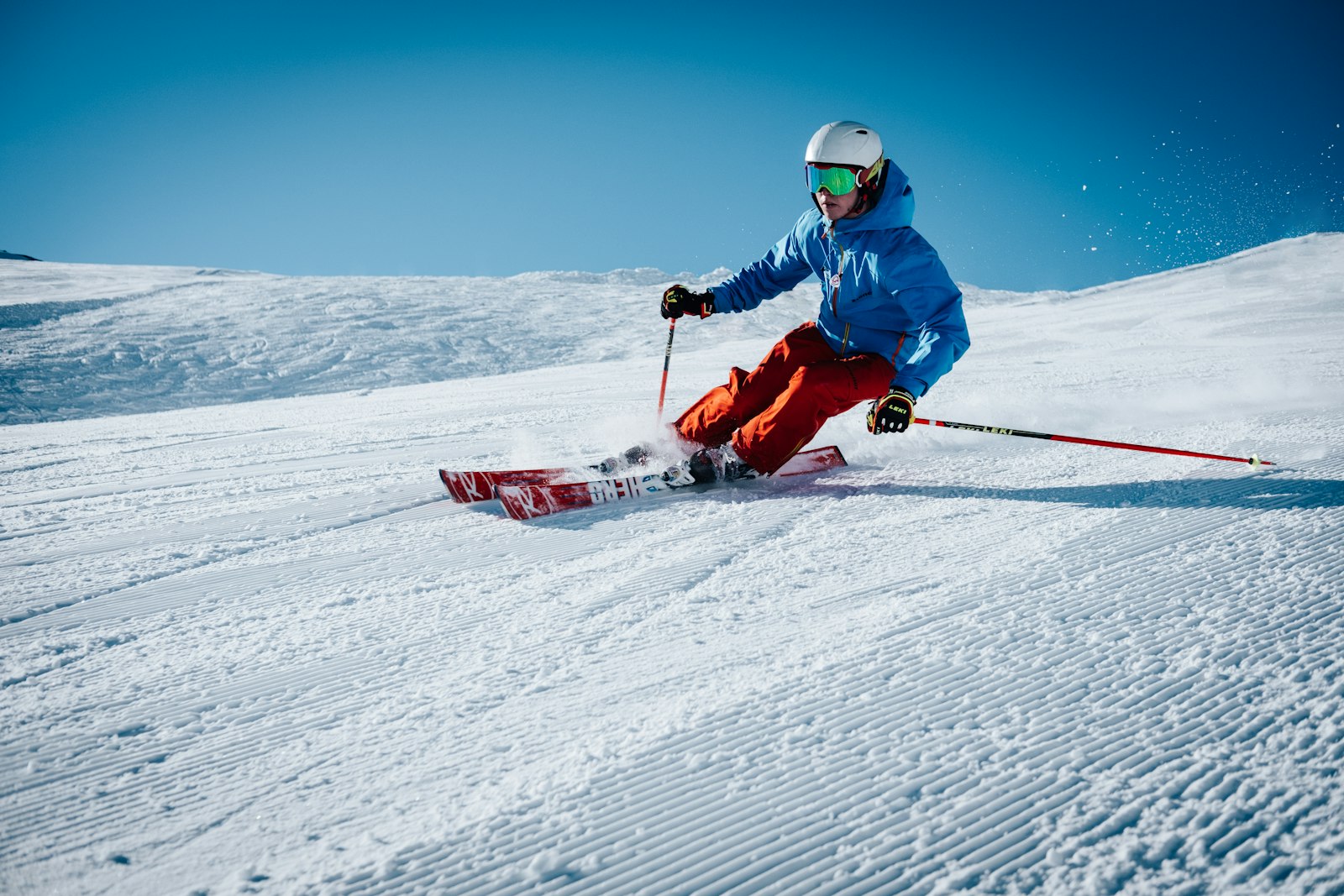
Yes, ski patrollers lose real sodium on the job, because boot-packing, avalanche control routes and hauling loaded rescue toboggans drive heavy sweat under shell layers, while cold, dry, high-altitude air speeds up fluid loss and hides thirst. A 3 oz Fast Pickle shot carries 570 mg of sodium, more than a full 20 oz sports drink, and it fits in a patrol vest pocket.
The Job Behind The Red Jacket
From the chairlift, ski patrol looks like the best job on the mountain. The reality starts before the lifts open. Patrollers sweep runs, set and check rope lines and closures, pack and test new snow, and on many mountains run avalanche control routes at first light. Then the public arrives and the day becomes first aid calls, toboggan transports, lift evacuation drills and hours of standing ready in the cold.
The season usually runs from late November or December into April. That is four to five months of six-hour-plus days on skis, often with long stretches between real meals.
Cold, Dry Air At Altitude Pulls Water Out Fast
Most ski areas sit well above sea level, and mountain air in winter is both cold and very dry. Every breath of that air gets warmed and humidified by your lungs, and that moisture leaves with the exhale. At altitude you also breathe faster and deeper, so respiratory water loss climbs. Exposure to cold and to altitude both tend to increase urine output.
Meanwhile, cold blunts the thirst signal. Research on cold-weather work has found that people in the cold feel less thirsty than they would at the same fluid loss in mild conditions. A patroller can be running a deficit by midday without ever feeling like drinking.
Heavy Work Inside Insulated Layers
Patrol work comes in hard bursts. Boot-packing a steep pitch to compact new snow, climbing to a control route with a pack of gear, digging out a buried hazard, or hauling a loaded rescue toboggan across a flat traverse are all near-maximal efforts. A toboggan with an injured adult, the patroller's gear and the sled itself can easily weigh well over 200 pounds.
All of that happens inside a base layer, mid layer and shell. The body dumps the heat as sweat, the sweat soaks into the layers, and nobody sees it. Then the patroller stands on a cold ridge waiting on a call and chills down, and the cycle repeats.
Where Cramping Tends To Show Up
- Quads: running a toboggan means holding a deep, braced stance in the handles for the whole descent, often on steep or bumped-up terrain.
- Calves and feet: hours in stiff ski boots, plus boot-packing and side-stepping up pitches.
- Hamstrings and hip flexors: climbing, kneeling at an accident scene and getting back up again in deep snow.
- Forearms and hands: gripping toboggan handles, rope and tools in cold gloves.
Sustained load plus sweat loss is where muscle cramps tend to appear. A quad that grabs halfway down a steep run with a patient in the sled is a real problem, not just a sore leg.
Why Sodium, Not Just Water
Sweat is not plain water. Published sweat studies covering roughly 500 subjects put sweat sodium concentration between about 460 and 1,840 mg per liter, with a mean near 826 mg per liter. Replace a liter of sweat with a liter of water and the fluid comes back, but the sodium does not.
Per ounce, the numbers are lopsided:
- Water: 0 mg of sodium.
- Gatorade Thirst Quencher, 20 oz: about 270 mg, roughly 14 mg per ounce.
- Pedialyte, 12 oz: about 370 mg, roughly 31 mg per ounce.
- Fast Pickle 3 oz shot: 570 mg, or 190 mg per ounce.
On a frozen summit, volume matters. Nobody wants to chug 20 ounces of an ice-cold sports drink at a top shack in a 25 mph wind. A 3 oz shot with 570 mg of sodium is three swallows, and because it is shelf-stable it lives in the patrol shack, a vest pocket or a first aid pack without a cooler.
Why 3 oz Works On A Reflex, Not On Absorption
In Miller et al. 2010, published in Medicine & Science in Sports & Exercise, participants whose muscle cramps were induced electrically saw them resolve in about 85 seconds after drinking pickle brine, roughly 37 percent faster than with water. That is too fast for the sodium to have been absorbed, which points to a neural reflex triggered in the mouth and throat by the strong taste.
That makes a brine shot a tool for the moment a muscle locks up. It does not replace eating, drinking and salting food properly across a long patrol day.
What A Patrol Day Can Cost In Sodium
- 1 liter of sweat: 460 to 1,840 mg of sodium out.
- 2 liters of sweat: 920 to 3,680 mg of sodium out.
- 3 liters of sweat, a big storm day with control work and back-to-back transports: 1,380 to 5,520 mg of sodium out.
No single shot closes a gap that size, and this page will not pretend one does. Meals, salt and steady fluids through the day do the heavy lifting. The shot is for the moment a muscle seizes.
Storm Days And Early Season Are The Hardest
The toughest days on patrol are usually the best days for skiers: a big overnight dump, a morning of control work, then a mountain full of people in deep snow. Early season adds its own load, with bodies that are not yet conditioned to the altitude and the work, thin cover that means more digging and marking hazards, and long days of setting up the hill. Those are the days to be deliberate about fluids, food and salt from the first chair.
A Simple Patrol-Day Routine
- Before the first chair: eat a real, salted breakfast and drink before you layer up and head out.
- Every return to the shack: drink something warm or cool, even if you are not thirsty. At altitude in the cold, thirst is a late signal.
- Vent before you climb: open pit zips or drop a layer before a boot-pack or a toboggan haul so less sweat soaks in.
- Carry water where it will not freeze: an insulated bottle or an inside pocket keeps it drinkable.
- Keep a shot in your vest: for the quad or calf that grabs mid-transport or on the climb.
Frequently Asked Questions
Do ski patrollers really get dehydrated in the snow?
Yes. Hard work under insulated layers produces sweat, cold dry mountain air increases water lost through breathing, and both cold and altitude tend to increase urine output, while cold blunts thirst. The deficit can build all day without anyone noticing.
Why do quads cramp on toboggan runs?
Running a loaded toboggan means holding a deep, braced stance against hundreds of pounds for the whole descent. Long holds under load plus sweat loss are where cramping tends to show up.
Will the shots freeze in a patrol shack or a pack?
Brine has a lower freezing point than water because of the salt, but a bottle left in an unheated top shack overnight can still turn slushy. Keep shots in an inside pocket, the base patrol room or a heated shack and they stay ready to drink.
Is this a substitute for water on patrol?
No. Water and food handle ongoing hydration. A Fast Pickle shot is for the moment a muscle locks up.
Which pack size makes sense for a patrol team?
The 12-pack fits a patrol room shared by a team or one patroller across several weeks of the season, and it stays shelf-stable. The 6-pack is an easy way to try it first.
Should I drink a shot in the middle of a patient transport?
No. Get the patient and the sled to a safe, stopped position first and follow your patrol's protocol. If a muscle cramps during a transport, stop safely and call for help with the sled before you deal with your leg.
Is there anyone who shouldn't add extra sodium?
If you are on a sodium-restricted diet for blood pressure or kidney reasons, talk to your doctor before adding any sodium product to your routine.
The Short Version
Ski patrol is hard physical work at altitude, in cold, dry air, under insulated layers, in a job that rarely leaves time for a real meal. Thirst lies, sweat hides in your layers, and water alone does not put the sodium back.
A 3 oz Fast Pickle shot carries 570 mg of sodium in a shelf-stable format that rides in a vest pocket and goes down in seconds. Eat, drink and salt through the day, and keep a shot within reach.
Related reads: pickle juice for snow removal crews and pickle juice for EMTs and paramedics.
*These statements have not been evaluated by the Food and Drug Administration. This product is not intended to diagnose, treat, cure, or prevent any disease. Individual results may vary.