
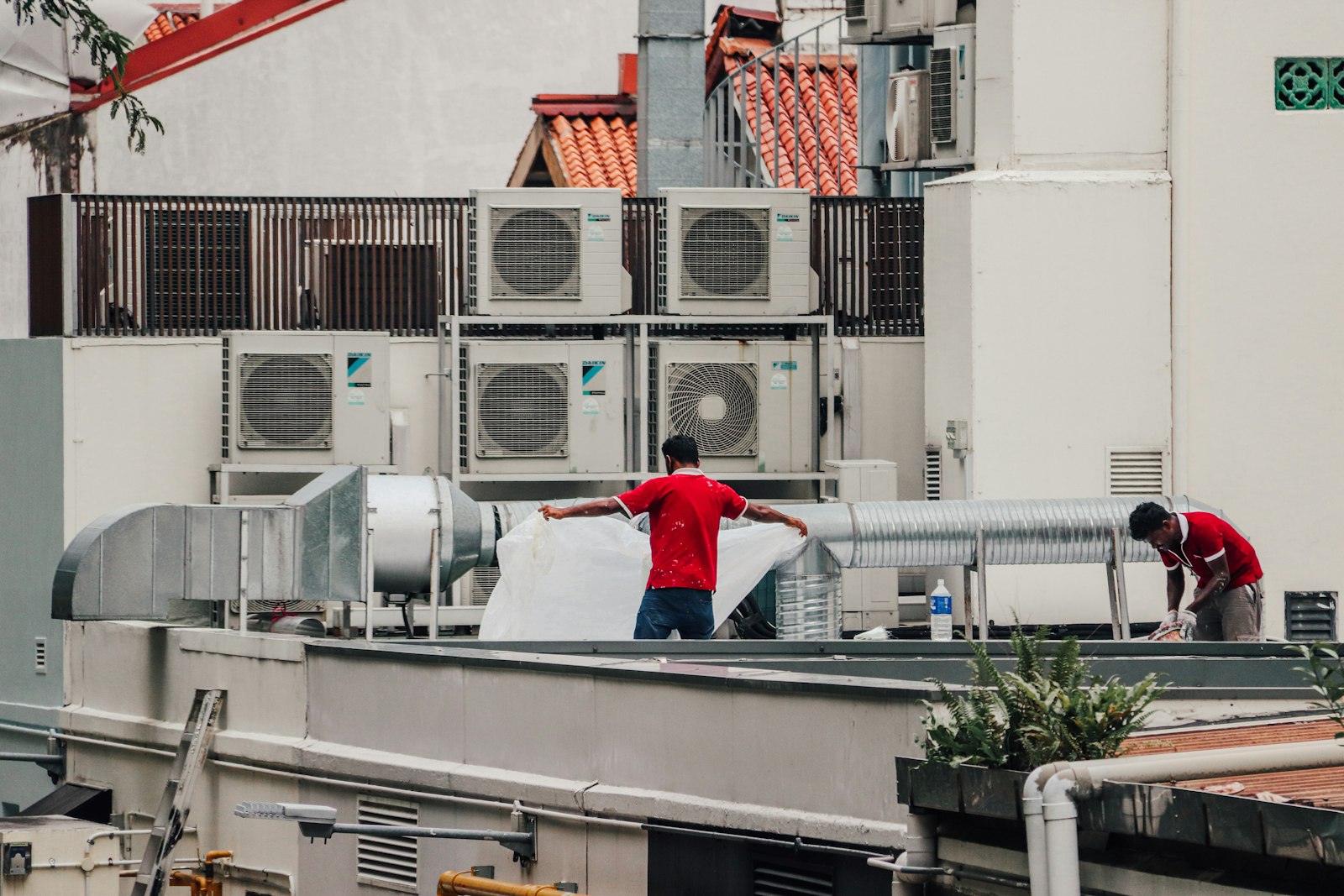
Yes — pickle juice is one of the fastest cramp tools an HVAC tech can carry on a hot service day. Residential techs working August attics see ambient temperatures of 130 to 160°F while crawling above an unconditioned ceiling, losing 1.2 to 2 liters of sweat per hour with 900 to 1,800 mg of sodium per liter. A 3 oz pickle brine shot delivers 570 mg of sodium in a single swallow and triggers a neural reflex that quiets cramp signals in about 85 seconds — faster than any sports drink can absorb. It is the on-truck "off switch" for cramps between calls, not a daily hydration plan.
Fast Pickle's 3 oz shot was built for the kind of worker who can't take a 20-minute rehab break between service calls. An athlete-grade sodium load, a shelf-stable shot, and a vinegar-triggered cramp reflex that works while the tech is still wedged between a furnace and a roof joist. This guide breaks down why HVAC techs cramp on hot service days, what the science of the pickle-juice reflex actually says, and how to fold a brine shot into the service-day flow without slowing the next call.
Why HVAC Techs Cramp on Hot Service Days
The HVAC cramp pattern stacks differently than a roofer, a lineman, or a concrete crew. The job moves a tech through a series of short, brutal heat exposures with a 10-minute drive between them. The cumulative load adds up faster than most techs realize, and the cramp window opens by the third or fourth call of the day.
Attic ambient temperatures climb fast in summer. A residential attic with no ridge vent or with R-30 insulation packed against the deck routinely hits 130 to 160°F by 2 p.m. when the outside temperature is only 90°F. The tech is up there for 20 to 60 minutes — checking plenum static, swapping a blower motor, retaping a return — wearing long sleeves, gloves, and a respirator. Core body temperature climbs 1.0 to 1.5°C per attic visit even on a routine maintenance call.
Rooftop condenser work stacks radiant and reflected heat. A black-membrane commercial roof under July sun reaches 150 to 180°F at the surface, and the condenser coils throw an additional 20 to 30°F of waste heat at the tech's working zone. Crouching next to a rooftop unit for 45 minutes during a refrigerant recovery puts a tech in roughly the same heat exposure as standing in a steam room with gauges in his hands.
Crawl spaces and mechanical rooms trap humidity even when they aren't hot. Basement boiler rooms, furnace closets, and packaged-unit mechanical rooms often sit at 85 to 100°F with 70 to 90 percent humidity. The body's only cooling channel — evaporative sweat — is shut down in that environment. Sweat pools, salt loss continues, and core temperature drifts upward.
Sweat sodium losses are concentrated and unpredictable. Field studies of skilled-trade workers (HVAC, plumbing, electrical) report sweat sodium concentrations of 40 to 80 mmol/L, or roughly 900 to 1,800 mg per liter. At a sweat rate of 1.5 L per hour during a hot attic visit, that's 1,350 to 2,700 mg of sodium per attic call. Two attic visits and one rooftop service in a single afternoon can drain 4 to 6 grams of sodium — twice the FDA daily-value target — without the tech ever feeling like he "drank too little."
Service-van AC and a thermos of water mask the problem. The tech climbs out of a 140°F attic and into a 70°F van, drinks 24 oz of cold water across the next call, and feels recovered. Skin cools. Heart rate normalizes. But blood sodium is still under-replaced, and the next attic visit starts the deficit from a worse baseline. By the fifth call, the calf or hamstring locks during the drive home.
The 85-Second Reflex That Quiets Cramps
Pickle juice does not work the way most techs assume. The cramp relief is not about absorbing sodium — the gut cannot pull electrolytes into the bloodstream that fast. The mechanism, published by Miller and colleagues in Medicine & Science in Sports & Exercise (2010), is a neural reflex triggered by the vinegar (acetic acid) hitting the back of the throat and upper esophagus.
The acidity activates oropharyngeal receptors that send an inhibitory signal up the vagus nerve to the spinal motor neurons that drive cramping muscle fibers. The signal quiets the firing pattern of those fibers — and it does it in an average of 85 seconds from swallow, against a placebo average of about 134 seconds when no reflex is engaged. That is the off-switch a tech needs when a calf cramp locks up between the truck and the next service call.
The 570 mg of sodium in a 3 oz Fast Pickle shot still matters — it absorbs into the bloodstream over the next 20 to 40 minutes as part of the rehydration story. But the immediate relief that lets a tech finish the call standing up is the reflex, not the sodium. That is why a brine shot beats a flavored sports drink for acute cramps in the field, even when the sports drink technically has comparable sodium per bottle.
When Cramps Hit on a Service Day
Cramps rarely strike on the first call of the morning. They show up in four predictable windows that every senior tech learns to watch for.
End of the third or fourth call. The first two service calls draw down the breakfast sodium buffer without obvious warning. By the third — usually a hot one — the deficit is real. Cramps in the calves, quads, or the small intrinsic foot muscles inside steel-toe boots are the first warning. Techs often blame "kneeling too long" instead of identifying the sodium pattern.
Mid-attic, halfway through a slow repair. A 45-minute attic visit to chase a duct leak, install a new evaporator coil, or retape a plenum lets the body climb into a real heat-strain window. The cramp often hits when the tech tries to shift position — a calf or quad locks while he's holding a flashlight in his teeth and a tape gun in one hand.
On the drive between calls. Sitting in the van with the AC blasting, the body redistributes blood to the skin to dump heat. As blood volume shifts, lost sodium becomes an obvious deficit. A hamstring cramp on the freeway is one of the more dangerous workplace incidents a tech can have, and it is preventable with sodium pre-loading.
The "extra" call at 5 p.m. Dispatch adds one more no-cool emergency at the end of the day. The tech is already in deficit from four prior calls, his lunch was a gas-station sandwich at 1 p.m., and he climbs into a 150°F attic at 5:30. The cramps that hit during that call — or two hours later at home — are the cumulative load showing up, not the last call alone.
Pickle Juice vs Sports Drinks for HVAC Techs
Most service vans stock Gatorade, Powerade, or a powder mix in a cooler. They all do something. The question is whether they do enough, fast enough, for the sodium load of an actual hot service day.
| Drink | Sodium per serving | Sugar | Onset (cramp relief) |
|---|---|---|---|
| Fast Pickle 3 oz shot | 570 mg | 0 g | ~85 seconds (neural reflex) |
| Gatorade Thirst Quencher (20 oz) | 270 mg | 34 g | 20 to 40 minutes (absorption) |
| Gatorade Endurance (20 oz) | 620 mg | 22 g | 20 to 40 minutes (absorption) |
| Powerade (20 oz) | 250 mg | 34 g | 20 to 40 minutes (absorption) |
| LMNT packet (in 16 oz water) | 1,000 mg | 0 g | 20 to 40 minutes (absorption) |
| Liquid IV packet (in 16 oz water) | 510 mg | 11 g | 20 to 40 minutes (absorption) |
| Salt tablet (1 g NaCl) | 390 mg | 0 g | 30 to 60 minutes; risk of nausea at high dose |
The takeaway: for the acute cramp moment, a brine shot wins because the reflex doesn't wait for digestion. For shift-long rehydration, a higher-sodium powder like LMNT or a sequence of Gatorade bottles handles the bulk fluid replacement. A smart service-day protocol uses both: the brine shot to quiet a cramp between calls and to front-load 570 mg of sodium fast, followed by 16 to 24 oz of an electrolyte beverage in the van across the next driving window.
The Hot-Service-Day Protocol
The HVAC techs who learn to stop cramping in August are not drinking more water. They are timing sodium to the load. The protocol below is the same five-stage frame the concrete-crew article and lineman article use, adjusted for the call-to-call rhythm of a service day.
- Night before a 95°F+ forecast day: One 3 oz shot with dinner. Loads sodium into the overnight recovery window so the tech wakes up replete rather than down 1 to 2 grams from the prior shift.
- Morning, 30 to 60 minutes before the first call: One shot with breakfast or in the van between dispatch and the first stop. Front-loads sodium before the first attic visit pulls it back out.
- Between calls, especially after a hot attic or rooftop: One shot in the van while writing up the previous ticket. The reflex quiets any twitch that is already starting and resets the sodium clock before the next call.
- Mid-call cramp dose: If a calf, quad, or hamstring locks during a service call, climb down to a safe surface and take a shot. The 85-second reflex usually clears the cramp before the tech needs to pack up.
- End of shift, in the van or at the shop: One shot with the post-shift water bottle. Begins the overnight recovery sodium load and prevents the late-evening calf cramp that wakes the tech up at 1 a.m.
That is up to five shots on a brutal day and one or two on a moderate one — which is why the 24-pack is the right service-van SKU. It lives in the van cooler all summer and doesn't need to be re-bought every week.
5 Service-Day Mistakes That Stack the Cramp
The senior techs who never cramp tend to avoid the same five errors. The apprentices who cramp twice a week tend to make all five.
1. Drinking only water all day. Plain water dilutes the remaining blood sodium, which makes the cramp worse, not better. Every quart of pure water lost as sweat needs roughly 1 gram of replacement sodium. A gallon-jug-only protocol on a hot service day is a recipe for a 6 p.m. cramp on the freeway.
2. Skipping breakfast sodium. A coffee and a granola bar is about 200 mg of sodium. Three attic visits later, the tech is in the hole 3,000 mg and hasn't replaced any of it. A breakfast with eggs, toast, and bacon (or a brine shot) provides 1,000 to 1,500 mg right up front.
3. Waiting for a full lockup before reaching for sodium. The reflex works best when taken at the first twitch, not after the cramp has fully recruited the muscle. Techs who keep a shot in the door pocket and use it at the first twinge rarely lose a service call to a full lockup.
4. Treating the shot as the daily plan instead of the acute tool. The brine shot is concentrated. It is not a "drink all day" beverage. Daily hydration is water and food. The shot is the on-call sodium and the cramp off-switch.
5. Sending a tech who cramped yesterday into today's hottest call. Sodium debt rolls forward. A tech who cramped on day one of a heatwave should not be the one rooftop-handling the worst commercial RTU on day two — at minimum he gets a morning pre-load shot and the lighter call schedule until his appetite for salty food returns.
Pack Sizes — Which One For Which Tech
Fast Pickle ships in three sizes. The right one depends on whether the tech is buying for himself, the apprentice, or the whole shop.
24-pack — the service-van default. $49.99, $2.08 per shot. Lives in the van cooler all summer. Covers a busy week of hot calls for a single tech, or a moderate week for a two-man crew. Best per-shot price in the lineup and the SKU most shop owners standardize on for the August schedule. Subscribe and save another 10 percent. Shop the 24-pack here.
12-pack — for the lunchbox tech. $28.99, $2.42 per shot. The right size for the tech who wants to keep two or three in the van and the rest at home. Fits in a standard small soft cooler. Shop the 12-pack here.
6-pack — the try-it-first. $17.99, $3.00 per shot. The right size for the apprentice or the helper who wants to test the reflex before committing to a case. Shop the 6-pack here.
What About Daily Use Between Shifts?
Fast Pickle is built for the acute window — the brine shot is concentrated, intentionally not a "drink all day" beverage. For daily sodium support between shifts, HVAC techs who run hot are usually better served by adding salt to meals, drinking an LMNT or low-sugar electrolyte beverage with breakfast, and saving the brine shot for the van and the hot calls.
The exception: techs on the rotating on-call schedule who routinely cramp at night after a hot day sometimes use a half-shot (1.5 oz) before sleep to load sodium into the night recovery window. This is the same pattern the nighttime leg cramp protocol describes.
Frequently Asked Questions
Can I take a shot while I'm in the attic?
Yes — the shot is 3 oz, twist-top, and takes about 4 seconds to drink. Most techs who carry one keep it in a tool bag or in the door pocket of the van. The reflex works just as well sitting on a joist with a flashlight in your teeth as it does standing in the kitchen.
Is the vinegar hard on the stomach during a hot call?
Most users report no GI issues. The shot is buffered by the natural pickle brine, not straight vinegar, and the dose is small. If you have a known acid-reflux history or a sensitive stomach during exertion, take the shot in the van before the call rather than mid-attic, and follow with water.
Does pickle juice replace water on a hot service day?
No. The shot is a fast-acting electrolyte and reflex tool, not a fluid replacement. Standard hydration — a half-gallon to a gallon of water across the shift, more on a 100°F day — still applies. The shot adds sodium to that base.
Why not just take a salt tablet between calls?
Salt tablets provide sodium but no neural reflex. They also tend to absorb in a slug, which can trigger nausea at high doses on an empty stomach. The brine shot pairs sodium with the vinegar-triggered cramp dampening, which is what most techs are actually after when they reach for one mid-call.
Is Fast Pickle OK for techs on blood-pressure medication?
Techs with medically managed sodium restrictions — most commonly tied to blood pressure or cardiac history — should clear any sodium-front-loading strategy, including brine shots, with their personal physician. The 570 mg in a single shot is meaningful and counts against a daily sodium budget. Most healthy techs working in 130 to 160°F attics need more sodium, not less, but this is a per-person medical question.
What size pack should the shop owner buy?
For a single hot-service tech, the 24-pack covers about a week of August work. For a two- or three-truck shop, a case of 24-packs in the parts room and one in every van cooler is the pattern most owners settle into by the end of June. The math works out to roughly $4 to $8 per tech per day during the worst stretch — less than a single Gatorade run for the same crew, and a fraction of the cost of a callback from a cramp-driven mistake.
Will the shot leak in a hot van?
No. The bottle is shelf-stable up to 120°F and the seal is engineered for storage in a service van or trailer cooler. Most techs keep a small soft cooler in the van with ice packs anyway for the cold-water-and-shot combo, but the shot does not require refrigeration to remain safe or effective.
Does this help with heat exhaustion symptoms beyond cramps?
The shot directly addresses sodium loss and the cramp reflex. It is not a treatment for heat exhaustion or heat stroke — those require active cooling, fluids, and in many cases medical evaluation. If a tech is showing confusion, slurred speech, nausea that doesn't resolve, or stops sweating, the response is to cool the body and get medical help, not to add another shot.
Can apprentices and helpers take it?
Yes. There is no age restriction; the ingredient list is real pickle brine. Younger workers tend to under-recognize sodium loss because they sweat at a higher rate without the dehydration signs older techs have learned to read. A pre-call shot for the helper on his first hot day in an attic is a reasonable habit.
*These statements have not been evaluated by the Food and Drug Administration. This product is not intended to diagnose, treat, cure, or prevent any disease. Always follow your shop's safety protocols, OSHA Heat Illness guidance, and consult a physician for individual health concerns.