
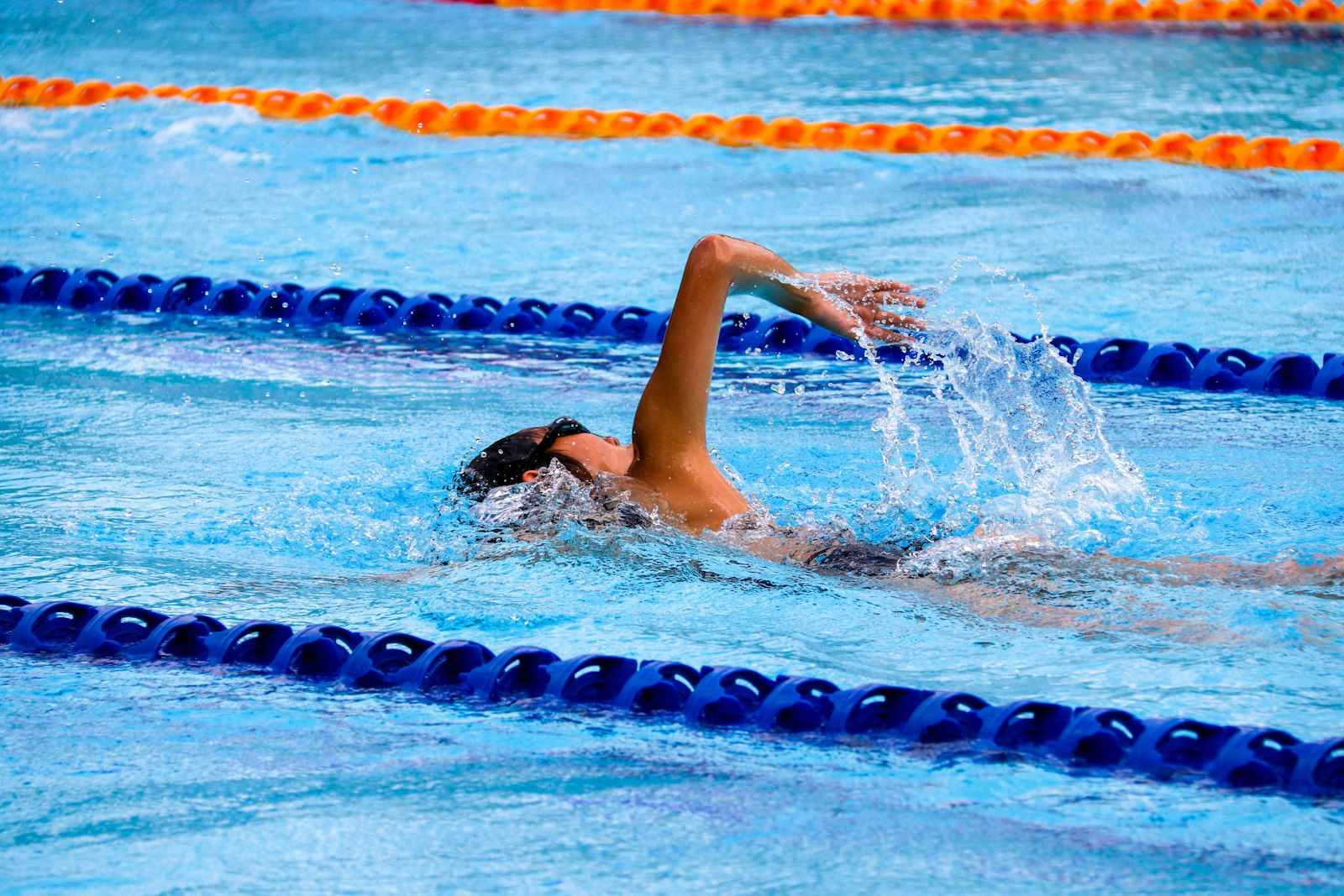
Swimmers cramp where water hides the warning — the calves and arches on long kick sets, the hands and forearms on heavy pull sets, the hamstrings in the last 200 of a 1500. A 3 oz pickle brine shot delivers 570 mg of sodium and triggers a neural reflex that switches the cramp signal off in roughly 85 seconds — faster than any sports drink can absorb and fast enough to use on a 10-second wall touch between sets. For masters swimmers, open-water racers, triathletes, and high-school/college swimmers stacking morning and evening practices, keeping a shot on the pool deck is the simplest cramp insurance there is.
How Pickle Juice Stops Swimmer’s Cramps
The mechanism is one of the most-cited findings in exercise physiology over the past fifteen years. In the seminal 2010 study by Miller and colleagues at North Dakota State (published in Medicine & Science in Sports & Exercise), athletes who drank pickle juice during an active cramp recovered roughly 45% faster than athletes given deionized water — with the effect appearing around 85 seconds after ingestion. That window is too short for sodium to absorb into the bloodstream, which means the fix is not chemical rehydration. It is neurological.
Researchers concluded that the vinegar-and-salt combination triggers a reflex in the oropharynx — the back of the throat — that signals the brainstem to inhibit the alpha motor neurons firing the cramped muscle. Translation: your brain switches the cramp off.
For a swimmer mid-set or mid-race, the mechanism matters because:
- Sports drinks rely on intestinal absorption, which takes 20 to 40 minutes — longer than a 1650 free, longer than the swim leg of a 70.3, and far longer than the 10-second wall touch you actually get between sets.
- A calf or arch cramp in the back half of a long set or open-water race arrives in seconds. The signal does not announce itself in advance.
- A 3 oz shot can be opened, slammed, and back to the next 100 in under 20 seconds, before your stroke rate falls off and the cramp escalates from a twinge to a lockup.
The reflex is the entire argument for keeping a 3 oz shot in your swim bag or on the pool deck alongside your goggles, paddles, and kickboard — one is your daily electrolyte plan, the other is the off-switch the moment a calf or hand starts to talk.
Why Swimmers Cramp In The Water
Most swimmers and coaches dramatically underestimate sweat-sodium loss in the pool. The water hides every visible cue — no salt rings on a shirt, no slick of sweat on the skin, no obvious thirst signal. But research dating back to Maughan’s sodium-loss studies on competitive swimmers shows that pool training and open-water racing pull sodium at rates that rival land sports, and the lack of a visible warning is exactly what gets swimmers into trouble.
You sweat in the pool — you just can’t see it
A 60-to-90-minute hard pool session can pull 500 to 1,200 mg of sodium from a moderate sweater, with salty sweaters losing more. Heated pools (82 °F-plus competition-pool temperatures), tropical training trips, and outdoor 50-meter pools in summer push that higher. The chlorinated water surrounding you replaces zero electrolytes — it is the most misleading hydration setup in sport.
Long kick sets seize the calves and arches
The continuous, point-toe ankle position in flutter kick is a textbook calf and arch lockup setup. The gastrocnemius and the small intrinsic foot muscles fire isometrically for minutes at a time without the rhythmic relaxation that running provides. Add accumulating sodium loss across a 90-minute session and the calf-and-arch cramp on the last 200 of a kick set is one of the most predictable cramps in swimming.
Long pull sets lock the hands and forearms
Heavy paddle sets, fast-twitch sprint pull, and the catch phase of distance freestyle all load the small flexor muscles of the hand and forearm. Once the hand cramps mid-stroke, the catch collapses, the elbow drops, and the next 50 is survival mode. Hand-cup cramping is the most common stroke-killer in distance training.
Open-water and triathlon swim legs hide dehydration
A 90-minute open-water swim or the 1.2-to-2.4-mile swim leg of a triathlon pulls sodium for the full duration with no easy way to drink. Cold water suppresses thirst, the wetsuit traps body heat and accelerates sweat loss, and most swimmers exit T1 already in a sodium deficit that becomes a calf cramp on the bike or run. Our triathlon protocol walks the swim-to-bike sodium handoff in depth.
Two-a-day high-school and college practices
The classic 5 a.m. plus afternoon practice stack of a competitive swim season — 7,000 to 12,000 yards a day — is one of the highest-volume training schedules in any sport. The sodium debt builds across the week and the cramps usually arrive Thursday or Friday in the long aerobic sets, exactly when the team is most fatigued.
Salty sweaters and clean-eating swimmers
Some swimmers lose far more sodium per liter than others. The tell-tale signs are stiff, salty goggle straps after a long pool session, white residue on a black training suit that survives the rinse, and gritty eyebrows after morning practice. Athletes on whole-foods, low-processed diets — common in college programs and adult masters — also chronically under-salt relative to their training volume. Both groups cramp earlier and harder. Our salty sweat field guide walks the self-test.
Pickle Juice vs. Other Swimmer Hydration Options
Most pools and triathlon transitions already stock something. The honest comparison is what each option does, how much sodium it delivers, and how fast it acts.
| Product | Sodium | Sugar | Time to acute effect |
|---|---|---|---|
| Fast Pickle 3 oz shot | 570 mg | 0 g | ~85 seconds (neural reflex) |
| Gatorade Thirst Quencher (20 oz) | 270 mg | 34 g | 20 to 40 min (absorption) |
| Gatorade Endurance (20 oz) | ~620 mg | 22 g | 20 to 40 min (absorption) |
| LMNT (1 stick / 16 oz) | 1,000 mg | 0 g | 20 to 40 min (absorption) |
| Liquid IV (1 stick / 16 oz) | 500 mg | 11 g | 20 to 40 min (absorption) |
| Salt tabs (1 cap) | ~200 to 500 mg | 0 g | 30 to 60 min (digestion) |
| Plain water | 0 mg | 0 g | — |
The takeaway: a sodium-forward drink mix like LMNT or Gatorade Endurance keeps a non-cramping swimmer topped up across a training day; a Fast Pickle shot reverses an acute cramp that has already started, or pre-empts one when you can feel the calves or hand muscles starting to talk between sets. Most high-volume swimmers run both — a sodium drink across the day, a shot on the deck for the cramp signal. We compare the absorbed-electrolyte options head to head in pickle juice vs LMNT and pickle juice vs Gatorade.
The Swimmer’s Practice And Race Protocol
Here is the staged plan for a high-volume training day or a meet. Adjust by sweat rate, pool temperature, and session length; if your goggle straps come out stiff with salt, bias every step toward more sodium.
Night before a long practice or morning of a meet
- 16 to 20 oz of water with dinner. A real-food meal with deliberate salt — salted potatoes, miso soup, salted eggs — ahead of a hard morning.
- If you historically cramp in long aerobic sets or meet warmups, take a 3 oz shot the night before. The Miller-protocol dose is the same whether the cramp is acute or pre-loaded.
30 to 60 minutes before getting in
- An electrolyte drink mix (LMNT, Gatorade Endurance, or equivalent) with 12 to 20 oz of water for absorbed sodium ahead of the set.
- Salty sweaters, double-session days, and meet days should add a pre-practice 3 oz shot — the reflex is primed before the first pace-100.
- If the pool runs above 82 °F (most U.S. club and college pools), default to the pre-practice shot regardless.
Between sets when something starts to talk
- The instant a calf, arch, or hand sends a signal between sets — the slipped paddle, the cramp-aware kick at the wall, the involuntary toe-curl on a streamline — take a shot on the deck before push-off on the next set.
- Keep the bottle on the deck under your kickboard. Slam the 3 oz, regrip your goggles, and the reflex usually fires before the next 200.
- Most swimmers can finish the set on send-offs once the cramp signal is interrupted — without dropping out or scaling the yardage on the fly.
For open-water and triathlon swim legs
- One 3 oz shot 20 to 30 minutes before the start. Stash a backup in the wetsuit thigh sleeve or in your special-needs feed for races over 60 minutes.
- For Ironman and 70.3 athletes, the swim-leg shot doubles as your sodium pre-load for the bike — a sodium-deficit swim exit is the #1 cause of calf cramps on the first 30 miles of the bike. We unpack the full transition in our triathlon piece.
- Marathon-swim athletes (10K+ open water) should plan a shot into every feed every 30 minutes alongside their carb-and-fluid plan.
Immediately after a cramp-y practice or race
- One pickle shot within 5 minutes of climbing out.
- 16 to 20 oz of an electrolyte drink across the next hour for the absorption layer — the shot handled the acute signal; the drink mix handles the rest of the sodium debt.
- A real-food meal with protein and salt within 2 hours, especially if there is a second session that afternoon.
Meets, Open-Water Races, And The Big Sodium Days
Certain swim events cramp athletes more than others. If your meet calendar has one of these on it, plan the shot in advance, not as a deck-side emergency.
- The 1650 free / 1500 free. The mile is the textbook cramp-distance race — long enough to deplete, fast enough to load the calves on every flip turn. One pre-race shot 20 minutes before, one in the warm-down bag.
- Open-water 5K and 10K races. Long-format, no-aid-station, no-drinking-on-the-go events. A shot in a small soft flask in the wetsuit sleeve and one at the 5K feed if the course has feeds.
- Triathlon swim legs in cold water. Cold-water suppression of thirst plus wetsuit-induced overheating is a sodium-trap. One pre-swim shot, one in T1.
- Multi-day meets and championship taper weeks. The seventh swim of a four-day champs meet on partial sleep is the highest-cramp setup in age-group, masters, and college swimming. Pre-warmup shot every morning.
- Masters long-course summer meets. Outdoor 50-meter water, August sun on the deck, three events spaced 60 minutes apart. One shot at warmup, one between events two and three.
Common Cramp Mistakes Swimmers Make
- Treating the pool as hydration. Chlorinated water around you replaces nothing — not water you drank, not sodium you lost. The sweat happens silently in the pool and the sodium debt builds across the set.
- Drinking only plain water on the deck. A liter of plain water without sodium during a 90-minute pool session dilutes the sodium you have left and can accelerate cramping. Pair every bottle with sodium — mix in, drink alongside, or take a shot.
- Skipping breakfast sodium before a morning practice. Whole-food, low-salt diets are a recipe for cramping in two-a-day volumes. Salt your eggs, salt your oatmeal, salt your potatoes.
- Waiting for the lockup before dosing. The reflex fires fastest when the signal is just starting — the dropped paddle, the kick-board toe-curl, the catch hand that won’t fully open. That is the moment, not 30 seconds into a calf lockup on the wall.
- Forgetting the wetsuit multiplies sweat. Open-water and triathlon swim legs in a wetsuit pull more sodium than the same yardage in a brief or jammer. Plan for it on race morning.
Which Pack Size Should A Swimmer Buy?
Three real-world picks:
- 6-pack — the masters or recreational swimmer training 2 to 3 days a week with occasional cramping. Roughly two weeks of just-in-case insurance on the pool deck. Shop the 6-pack.
- 12-pack — the high-volume swimmer training 5 to 6 days a week, the masters competitor in meet season, or the triathlete in 70.3 / Ironman build. The swim-bag default. One shot before practice, one between sets when the signal arrives. Shop the 12-pack.
- 24-pack — college and high-school programs stocking a team supply, open-water marathon swimmers stage-feeding 10K and longer events, and triathlon households running multiple athletes through the season. Shop the 24-pack.
If you race a 1650 free, a 70.3 swim leg, or do two-a-days through champs, the 12-pack is the right move.
Frequently Asked Questions
Can I drink pickle juice before swim practice?
Yes, and if you historically cramp in long kick or pull sets, you should. A 3 oz shot 20 to 30 minutes before getting in primes the reflex, delivers 570 mg of sodium ahead of the sweat you can’t see in the water, and won’t weigh down your stomach for fly or breaststroke pulls the way a 16 oz drink can.
How much pickle juice do I need for a swimmer’s cramp?
One 3 oz shot is the dose used in the Miller 2010 study and is the dose every Fast Pickle protocol is built around. Half a shot can work for early signaling but a full shot is the no-second-guessing call once a calf, arch, or hand has locked.
Can I take a pickle shot during an open-water race?
Yes. The simplest format is a 3 oz soft flask tucked into the chest of the wetsuit or the sleeve. For Ironman and 70.3 athletes, a single shot at swim-start is usually plenty; for 10K+ marathon swims, work a shot into every 30-minute feed.
Will the chlorine from a pool affect how pickle juice works?
No. The neural reflex Miller and colleagues described in 2010 is triggered by the vinegar-and-salt signal in the back of the throat, independent of any pool chemistry. The shot fires the same whether you came out of a chlorinated lap pool, a salt-system pool, or an open-water lake swim.
Is pickle juice better than salt tabs for swimming?
For an acute cramp mid-practice or mid-race, yes — salt tabs require digestion and take 30 to 60 minutes to reach the bloodstream. A pickle shot triggers the neural reflex in roughly 85 seconds and works on a signal level rather than a sodium-concentration level. For pre-loading sodium across a long meet day, salt tabs and electrolyte sticks are perfectly fine; they just are not the cramp off-switch.
Why do my hands cramp during heavy pull sets?
Hand and forearm cramps are an isometric-load problem on top of an accumulating sodium loss. Paddles, heavy buoy pulls, and fast-twitch sprint freestyle all load the small flexor muscles of the hand and forearm. Once the catch collapses, the rest of the set is survival mode. A pre-set shot pre-empts the cramp; a between-set shot interrupts it once the signal arrives.
Will pickle juice help with calf and foot cramps after a long ocean swim?
If the cramp is the involuntary, locked, won’t-relax kind — yes, the neural reflex applies the same way it does on land. If the calf or foot is just tight or sore after a long swim, that is a recovery issue rather than a cramp signal, and the answer is sleep, real food with salt, and easy-zone movement the next day.
Can I keep pickle shots in my swim bag in the sun?
Yes — Fast Pickle is shelf-stable. A 3 oz shot in a deck bag on a hot summer pool deck for a few hours is fine. The shot doesn’t need to be cold to fire the reflex; the vinegar-and-salt signal works at room temperature. Refrigerate once opened.
How is this different from drinking pickle juice straight from the jar?
Two reasons it matters: dose and consistency. A 3 oz Fast Pickle shot is a fixed 570 mg of sodium — the same every time, formulated for the reflex. Jar brine varies wildly by brand, batch, and how much vegetable matter is still floating in it, and most table-pickle jars are diluted to be palatable rather than concentrated for athletic dosing. If you want the Miller-study mechanism reliably, you want the shot.
*These statements have not been evaluated by the Food and Drug Administration. Fast Pickle is not intended to diagnose, treat, cure, or prevent any disease. Individual results vary.