
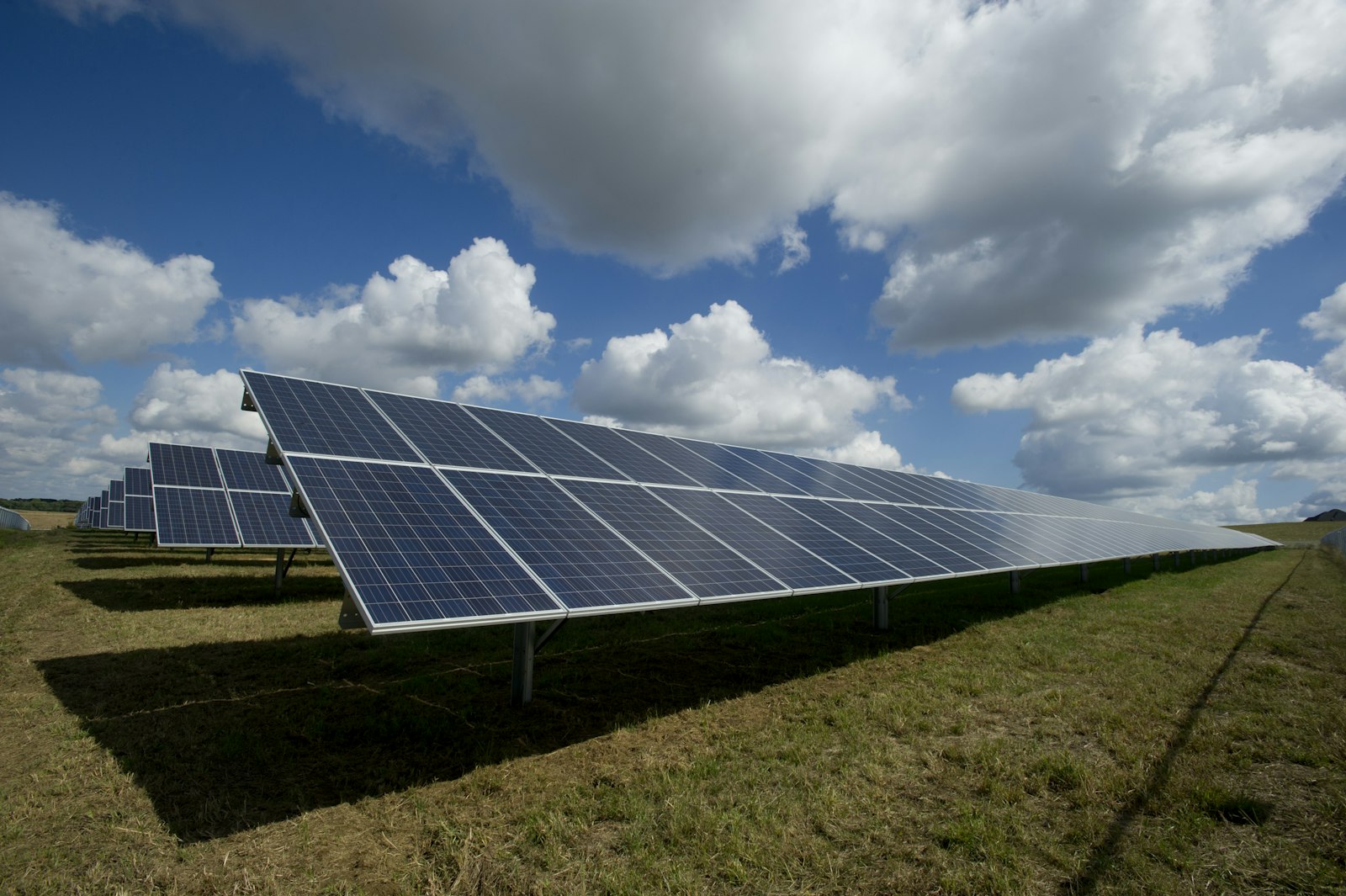
Pickle juice supports fast hydration for solar installers working on hot rooftops â a 3 oz shot delivers 570mg of sodium and triggers a neurological reflex that addresses muscle discomfort in about 85 seconds, without the sugar load of sports drinks.
Why Solar Installers Are a High-Risk Group for Heat-Related Muscle Discomfort
Solar installers spend 6â10 hours a day on dark-colored rooftop surfaces that absorb and radiate heat. On a 95°F summer day, a standard asphalt shingle roof can reach 150°F at the surface. That's not a background condition â it's an active heat source pressing up through the soles of your boots all shift long.
Add direct sun exposure, physically demanding work (lifting 40â75 lb panel assemblies, crouching, reaching, pivoting on pitched surfaces), and the fact that most solar crews can't step inside to cool down mid-installation, and you have a textbook environment for rapid sodium depletion.
Heavy sweaters â which solar installers almost universally are after a few hours on a hot roof â can lose 1,000â1,800 mg of sodium per hour. Replace that volume of sweat with water alone, and the sodium concentration in your blood drops. The result: cramping, specifically in the legs, feet, and hands doing repetitive loaded work. On a steep pitch, that's a safety issue, not just a discomfort issue.
What Pickle Juice Actually Does (It's Not Just the Sodium)
The common explanation for why pickle juice works is "electrolyte replacement." That's partially true, but it misses the faster mechanism. A 2010 study from Brigham Young University (Miller et al.) found that pickle juice stopped exercise-induced muscle discomfort significantly faster than water â about 85 seconds vs. 134 seconds â even though the brine hadn't been absorbed into the bloodstream yet.
The operative mechanism is a transient receptor potential (TRP) channel reflex. The acidic, high-sodium brine triggers receptors in the mouth and esophagus that send a neural signal suppressing the misfiring motor nerve causing the cramp. It's a neurological switch, not a slow absorption play.
For solar installers, this matters because the alternative â waiting for a sports drink to absorb â takes 15â20 minutes. When you're on a steep pitch with a panel assembly in your hands and your calf locks up, 15 minutes is not viable.
Sodium Loss on a Hot Roof: The Numbers
| Condition | Sweat Rate | Sodium Loss (per hour) |
|---|---|---|
| Office worker (indoor, 72°F) | ~0.3 L/hr | ~150â300 mg |
| General outdoor laborer (85°F) | ~0.8 L/hr | ~600â900 mg |
| Solar installer (rooftop, 95°F+) | 1.2â1.8 L/hr | 900â1,800 mg |
| Fast Pickle 3 oz shot | â | 570 mg replenished |
A single Fast Pickle 3 oz shot delivers 570 mg of sodium â more than a full serving of most sports drinks â in a 3-second drink with zero prep and no refrigeration required.
Pickle Juice vs. Sports Drinks on a Hot Roof
| Fast Pickle (3 oz) | Gatorade (20 oz) | Liquid IV (16 oz) | |
|---|---|---|---|
| Sodium | 570 mg | 270 mg | 500 mg |
| Sugar | 0 g | 34 g | 11 g |
| Volume to carry | 3 oz / 89 mL | 20 oz / 590 mL | 16 oz / 473 mL |
| Works in <2 min | Yes (neural reflex) | No (15â20 min absorption) | No (absorption required) |
| Heat stable on a roof | Yes | Degrades warm | Powder, heat-stable |
For a solar crew, volume and weight matter. A 12-pack case of Fast Pickle fits in a tool bag or truck cab. Twenty-ounce Gatorade bottles are harder to carry up a ladder and warm up fast sitting on a dark roof surface.
When to Take Pickle Juice on a Solar Installation Job
The protocol that works best for rooftop crews is a preemptive-plus-reactive approach:
- Before the job: One shot with water at the start of the shift, especially if it's above 85°F or if you worked hard the day before and didn't fully rehydrate overnight.
- At the first sign of muscle tightness: One shot immediately. Don't wait for a full cramp to develop â take it at the first twinge in the calf, arch, or hamstring, then continue drinking water through the rest of the panel installation.
- After 4+ hours on a hot roof: One shot as a mid-shift replenishment, timed during a natural break â changing out equipment, repositioning staging, or returning to the truck for materials.
Most solar installers find one to two shots per full shift day in peak summer is their effective dose. Heavy sweaters â visibly salt-crusted shirts by mid-morning â may need a third shot on days above 100°F.
The Foreman Play: Keep a Case in the Truck
The best-run solar crews keep a 12-pack case of Fast Pickle in the service truck from May through September. The cost works out to about $2.42 per shot â lower than a bottle of Gatorade at a gas station, and far lower than the crew downtime or safety risk of a cramp incident on a steep-pitch roof.
Foremen who've adopted this report the bigger benefit is behavioral: crews don't have to "tough out" early-warning muscle tightness. When there's a known fast intervention in the truck, guys actually use it early â instead of pushing through until the full cramp hits, which is when it becomes a real hazard at height.
A 12-pack of Fast Pickle ships free on orders over $28 and stays shelf-stable through a full season. Most foremen reorder at the start of each month during summer peak.
FAQ: Pickle Juice for Solar Installers
How fast does pickle juice work on a cramp?
Research from the 2010 Brigham Young University study found pickle juice addressed exercise-induced muscle discomfort in about 85 seconds on average â compared to 134 seconds for water. The mechanism is a neural reflex triggered by the brine, not absorption of sodium into the bloodstream.
Is pickle juice safe to take on a hot roof?
Yes. Pickle brine is a food product â vinegar, water, salt. There's no heat interaction that degrades the product or makes it unsafe. The shots are sealed and shelf-stable even in a hot truck cab. Drink water alongside any pickle juice shot to support overall hydration.*
Can I substitute regular pickles instead of shots?
You could eat a pickle, but the volume of brine in a standard pickle is much less than a 3 oz shot, and it's harder to standardize the dose. The shots are purpose-built for quick administration in work environments â no mess, no refrigeration needed, no guesswork on sodium content.
Do I need to refrigerate Fast Pickle shots on the job site?
No. Fast Pickle shots are shelf-stable and don't require refrigeration. Keep a 12-pack in the truck, pull one when needed, and they're good through the full summer season.
What's the difference between pickle juice and electrolyte drinks for solar crew use?
Electrolyte drinks work primarily through absorption â which takes 15â20 minutes. Pickle juice triggers a neural reflex in seconds. For rooftop work where a cramp can be a safety issue, the faster reflex mechanism is more useful than waiting for absorption. Electrolyte drinks are a good companion for ongoing hydration through the shift; pickle juice is the on-demand intervention for acute muscle discomfort.*