
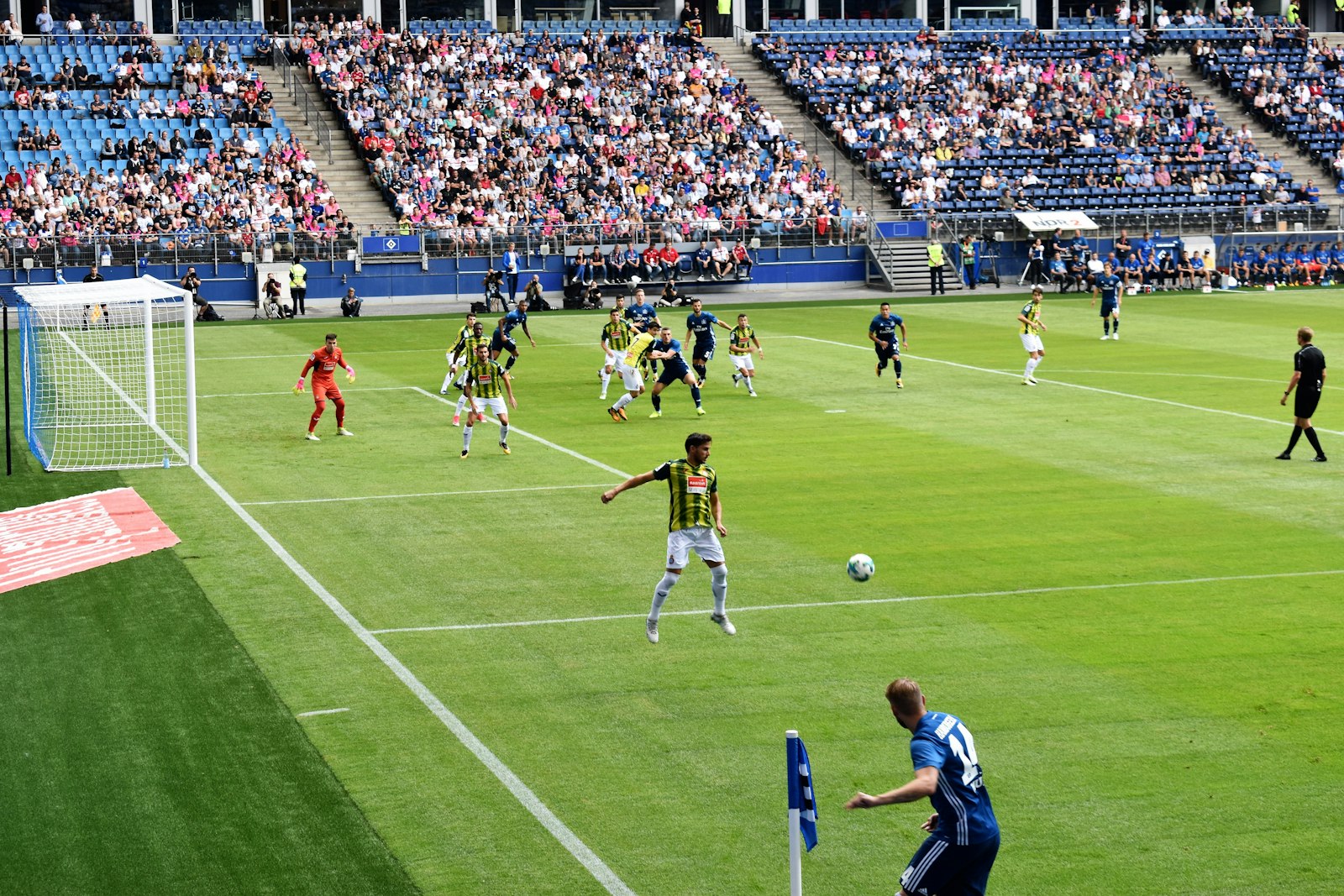
Yes — pickle juice stops soccer cramps, usually in 60 to 90 seconds. The fix isn't about pumping more fluid into a depleted player; it's the vinegar in the brine triggering a neural reflex in the back of the throat that tells contracted muscles to release. That's why a 3 oz shot works on the touchline at halftime when a 20 oz sports bottle can't catch up. A Fast Pickle 3 oz shot delivers 570 mg of sodium — roughly 3 to 6x what's in a 20 oz bottle of Gatorade — in a kit-bag format the sub can hand you as you come off.
How Pickle Juice Stops Soccer Cramps
The 2010 study by Miller and colleagues at North Dakota State (published in Medicine & Science in Sports & Exercise) measured cramp duration in athletes drinking pickle juice versus deionized water versus no fluid. The pickle-juice group's cramps resolved roughly 45% faster than the no-fluid group — and the effect appeared around 85 seconds after ingestion. That window is far too short for sodium to have been absorbed into the bloodstream, which means the mechanism is not about rehydrating the cramped muscle. It's neurological.
Researchers concluded that the vinegar-salt combination triggers a reflex in the oropharynx — the back of the throat — that signals the brainstem to inhibit the alpha motor neurons firing the cramped muscle. Translation: your brain switches the cramp off.
For a soccer player at the 70th minute, that mechanism matters because:
- Sports drinks rely on absorption, which takes 20 to 40 minutes.
- A soccer cramp arrives in seconds — usually mid-sprint chasing a through-ball.
- The halftime break is 15 minutes. That is more than enough window for a shot to start working before the second-half whistle.
A pickle shot works on the same timescale as the gap between play stoppages. That's the entire argument for keeping a sleeve in the team kit.
Why Soccer Players Cramp at a Specific Point in the Match
Soccer cramping is rarely random. It clusters around predictable triggers — and once you know them, you can stage your hydration and your 3 oz shot against them.
The 70th-minute wall
An outfield player covers 9 to 12 kilometers per match, with roughly 1 to 1.5 km of that at sprint pace. Sweat-rate research on competitive soccer players (Maughan 2004; Shirreffs 2005) puts losses at 1.0 to 2.5 liters per hour, with sodium concentrations of 800 to 1,500 mg/L. By the 70th minute of a warm-weather match, a heavy sweater can be down 3 to 5 grams of sodium and 2 to 3 liters of fluid. That is the textbook setup for a calf, hamstring, or adductor cramp on the next sprint.
The summer-tournament heat sink
Summer youth tournaments and adult leagues often play in 85 to 95 °F afternoon heat with limited shade on the touchlines. Turf fields hit even higher surface temperatures. Cramp-driven substitutions in the 75th to 85th minute of those matches are a fixture of the scoresheet. The 2014 World Cup in Brazil, played in 90 °F-plus heat, prompted FIFA to introduce official cooling breaks for exactly this reason.
The "extra time" trap
Knockout cup matches that go to extra time add 30 minutes onto an already-depleted player. Most cramping in those games hits in the first 5 minutes of the second extra-time period — right after a brief restart that wasn't long enough to rehydrate. Smart sides take a pickle shot at the end of regulation rather than waiting for the actual cramp.
Goalkeepers cramp differently
Keepers don't run as much, but the reactive lunges, dives, and explosive recoveries fire calf and hip-flexor fibers under unique loading. Goalkeeper cramping shows up as spasms in the side that just made the save — especially in cold weather, where the keeper is standing on the line for long stretches between bursts. A halftime pickle shot is just as relevant for the keeper as for an outfield runner.
Pickle Juice vs. The Other Soccer Hydration Options
Most clubs already have a hydration plan. The honest comparison is what each option does — and how fast.
| Product | Sodium | Time to acute effect | Best use |
|---|---|---|---|
| Fast Pickle 3 oz shot | 570 mg | ~85 seconds (neural reflex) | Halftime, water break, when a cramp signal hits |
| Gatorade Endurance (20 oz) | ~370 mg | 20 to 40 min (absorption) | Steady sip across the match |
| Liquid IV (1 stick / 16 oz) | ~500 mg | 20 to 40 min (absorption) | Pre-match loading |
| Salt tablets (1 cap) | ~200 to 500 mg | 30 to 60 min (digestion) | Doubleheader days, taken steadily |
| Plain water | 0 mg | — | Cooling and rinsing only |
The takeaway: a sports drink keeps a non-cramping player topped up; a pickle shot reverses a cramp that has already started or is just beginning to twinge. Most serious clubs run both — sip the drink across 90 minutes, save the shot for the halftime restart and the moment something twinges late.
The Soccer Player's Pickle Juice Protocol
Here is the staged plan for a typical match day in heat. Adjust by sweat rate; if you walk off the pitch with visible salt rings on a black or dark kit, you are a heavy sweater and should bias every step toward more sodium.
The day before
- Drink to a pale yellow urine color across the day. Not clear — clear means you are diluting.
- Salt your dinner deliberately. A half teaspoon of table salt across the plate is roughly 1,200 mg of sodium.
- If you historically cramp in the second half, take one 3 oz shot with dinner the night before.
30 to 60 minutes before kickoff
- 16 to 20 oz of water with a sports drink mixed in — light flavor, not max sugar.
- If you are a known crampers' crampers: one 3 oz pickle shot here. The 570 mg of sodium covers most of an hour of moderate sweat loss before you have stepped onto the pitch.
Halftime
- 8 to 12 oz of water + a sports drink in the changing room.
- If conditions are extreme (90+ °F, full sun, midday), one pickle shot at halftime — before the second-half wall hits at minute 70. The reflex effect is already running by the time the second half kicks off.
- If you have already felt a twinge in the first half, this shot is not optional.
Mid-match — the moment a twinge starts
- Wave the bench. The next dead ball is your window. Take the pickle shot at the touchline and chase with 4 to 6 oz of water.
- Do not wait for the cramp to lock in — the reflex is already winding up before the muscle goes full-bore. Earlier is better.
- Do not double up on shots in the same restart; one 3 oz unit at a time.
Between matches in a tournament
- One pickle shot within 10 minutes of walking off the first match.
- 16 oz of water + a real-food snack with carbs and salt (pretzels, salted nuts, a banana with a sprinkle of salt).
- Save a second shot for halftime of the next match if you cramped at all in the first.
Pro Soccer and the Cramp Problem
Cramp-driven moments at the highest levels of soccer are not rare. Cristiano Ronaldo cramped through extra time of the 2016 Euro final and famously coached Portugal from the touchline after coming off. Lionel Messi has stopped to stretch his calf in extra time of more than one Argentina knockout match. The 2022 World Cup in Qatar, with its scheduled cooling breaks and short turnaround between fixtures, made cramping a recurring storyline of the late knockout rounds.
What changed in the last decade is the availability of fast-acting fixes that don't require the player to leave the pitch for 30 minutes of fluid absorption. Brine shots, cooling collars, and trainer-delivered sodium gels are now part of the team kit on most professional benches. The pickle-shot mechanism — neural reflex, not absorption — is the simplest of those tools and the only one a club, school, or rec player can keep in a team bag and use on a touchline without medical staff.
Choosing the Right Pack for Your Soccer Schedule
The math on pack size is straightforward and depends on how many match days you log per month.
- Casual league (1 match/week): a Fast Pickle 6-pack is six weeks of coverage. Good entry size if you are testing the protocol.
- Club regular (2 matches/week + tournament weekends): the Fast Pickle 12-pack is the standard kit-bag stock. One shot per match day plus a buffer for hot-weather doubleheaders.
- Team / squad / coach gear bag: the 24-pack or gallon — coaches running summer-camp double sessions or carrying enough for the bench keep one in the cooler.
Common Mistakes Soccer Players Make With Pickle Juice
The protocol is forgiving, but a few patterns reliably waste the shot:
- Waiting until the cramp has fully locked in. The reflex is faster than absorption but it is not magic — take the shot the moment you feel the first twinge, not three minutes after you have hit the turf.
- Drinking the shot with no water chaser. The vinegar taste lingers, and the sodium load benefits from a 4 to 6 oz water chase. Skipping the chaser is what creates the "GI distress" reputation. With water, almost no one has a problem.
- Trying a new shot on tournament day. Always test a pickle shot at training first, the way you would test new boots before a final, not at a Saturday cup tie.
- Treating it as your hydration plan. A 3 oz shot is 570 mg of sodium, not 16 oz of fluid. Keep the water bottle on the touchline.
Frequently Asked Questions
Does pickle juice really stop cramps in soccer?
Yes. The 2010 Miller et al. study found cramp duration dropped roughly 45% in the pickle-juice group compared with no fluid, with the effect kicking in around 85 seconds — far too fast to be sodium absorption. The vinegar in the brine triggers a reflex in the back of the throat that signals the brainstem to inhibit the cramping muscle. That mechanism is identical in any sport with sustained high-intensity effort, including 90-minute soccer matches.
How much pickle juice should I drink before a soccer match?
About 3 oz roughly 30 to 60 minutes before kickoff if you historically cramp. If you do not historically cramp, save the shot for halftime or the first water break in the second half. The 570 mg of sodium in a Fast Pickle 3 oz shot covers roughly an hour of moderate sweat loss, so a single bottle is plenty for short matches; longer formats and tournament doubleheaders may justify a second shot.
Should I take pickle juice at halftime or only after the match?
At halftime — or earlier, if you have already felt a twinge. The reflex effect peaks around 60 to 90 seconds after ingestion, which means a shot taken in the changing room is already working before the second half kicks off. Waiting until the final whistle means you have already played through the cramp.
Is pickle juice better than sports drinks for soccer cramps?
For acute cramping, yes — pickle juice acts in around 85 seconds via a neural reflex; sports drinks rely on intestinal absorption that takes 20 to 40 minutes. Sports drinks are better for sustained low-intensity hydration when you are not yet cramping. Most serious clubs run both: a sports drink in the cooler for general hydration and a pickle shot for halftime and the moment a cramp signal starts.
Will pickle juice upset my stomach during a match?
A 3 oz shot is small enough that most players tolerate it without GI distress, especially when chased with water. If you have a sensitive stomach, do a test run during a training session the week before a match rather than trying a new product on game day.
Can youth soccer players (high-school age) drink pickle juice?
Yes, when supervised. A 3 oz shot delivers 570 mg of sodium — less than a slice of pepperoni pizza — in the kind of single-serving format that's easier to dose than table salt or capsules. Coaches working with youth squads should match the protocol to the player's actual sweat rate, and parents of any player on a sodium-restricted prescription diet should clear it with their physician before adding shots to a routine.
The Bottom Line for Soccer Players
If you cramp in the second half, you don't have a fluid problem — you have a sodium-and-reflex problem. Plain water won't fix it. A sports drink won't fix it on the timescale of a halftime restart. A 3 oz pickle shot will, in roughly 85 seconds, by triggering the same reflex Miller's lab measured in 2010. Stash a sleeve in the team kit, take one at halftime — or sooner if you twinge — and chase it with water. That is the entire protocol.
For full-season coverage, the Fast Pickle 12-pack is the kit-bag standard at $2.42 a shot. For a single-tournament try-it test, the 6-pack is the simpler entry point.
Read the science: Does Pickle Juice Help Cramps? What the Research Shows →