
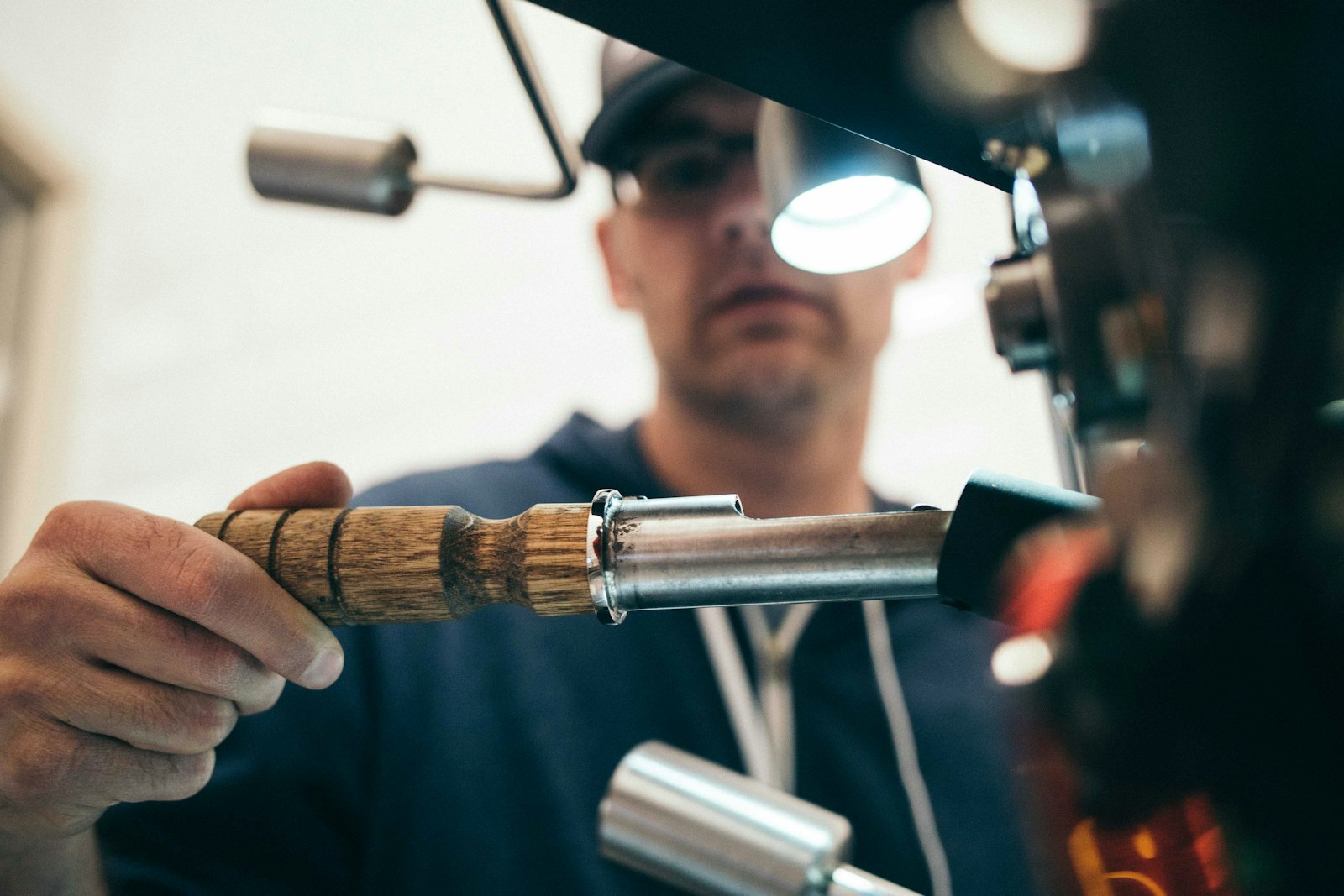
Plumbers are among the most thermally exposed tradespeople working today — crawling through attics in July, working in sweltering crawl spaces, and trenching outdoors in summer heat. A 3-ounce Fast Pickle shot delivers 570mg of sodium and triggers the nervous system's cramp-inhibition reflex in roughly 85 seconds, faster than any sports drink can clear the gut. For plumbers managing cramps mid-job, that speed is the difference between finishing the call and pulling off the site.
Why Plumbing Work Destroys Electrolyte Balance
Plumbing is one of the rare trades where the worst working environments stack on top of each other in a single day. A plumber might start the morning in a 110-degree attic running copper lines, spend the afternoon trenching in 90-degree sun, then finish under a house in a crawl space with almost no airflow. At each stage, sweat rate climbs — and unlike most workers, plumbers don't get structured breaks to rehydrate on a schedule.
Sweat sodium loss runs between 700 and 1,800mg per hour in hot physical environments. In a summer attic, a plumber can hit the high end within the first hour. By the time a cramp fires — usually in the calf, hamstring, or forearm — sodium depletion is already severe enough that water alone won't fix it. Water dilutes remaining blood sodium even further, which is why plain water often makes cramps worse, not better.
The Science: Why Pickle Juice Works Faster Than Drinking
Research by Miller, Mack, and colleagues (2010) demonstrated that pickle juice stopped electrically-induced cramps in trained athletes 37% faster than water and 45% faster than no treatment. The effect appeared too quickly to be explained by sodium absorption — the brine hadn't reached the bloodstream yet. The actual mechanism is neurological: compounds in pickle brine activate TRP channels in the mouth and esophagus, sending an inhibitory signal to the spinal cord motor neurons driving the cramp.
In plain terms: pickle juice tells the nervous system to stand down. It doesn't need to absorb — it just needs to make contact. That's why a 3-ounce shot outperforms a full 20-ounce sports drink when you need relief fast.
When Plumbers Cramp: The Three High-Risk Windows
The Attic Window (Hours 1-3)
Attic work generates the highest sweat rates in plumbing. Temperatures regularly exceed 120 degrees Fahrenheit in summer. A plumber installing water lines in that environment is losing sodium faster than almost any other occupation. Cramp risk peaks around the 90-minute mark, when cumulative sodium loss outpaces whatever was in the morning meal.
The Post-Lunch Drop (Hours 5-6)
Lunch breaks in A/C followed by walking back into heat cause rapid vasodilation. Combined with mid-afternoon fatigue, this window produces a disproportionate share of cramp incidents. A Fast Pickle shot taken 15 minutes before returning to outdoor or attic work acts as a preventive sodium loading dose.
The End-of-Day Trench (Hours 7-9)
Outdoor trenching late in the day combines accumulated dehydration with the heaviest exertion of the day. Plumbers who've been drinking water all day without replacing sodium are most vulnerable here. Hands, forearms, and calves — all heavily loaded in pipe work — are common cramp sites by this point.
How to Use Fast Pickle on a Plumber's Day
The 12-pack is the right truck SKU for plumbers. One shot to address an active cramp, one as preventive dosing before a high-heat environment, and rotating stock in the van cooler means you're covered for a full week without reordering constantly.
- Before attic or crawl space entry: One 3-oz shot if ambient temp exceeds 95 degrees or you already have 3+ hours of heavy work behind you.
- At the first cramp sign (tightness, twitch): One shot immediately — don't wait for the full cramp to lock in.
- After a long outdoor job in direct sun: One shot plus 16-24oz of water to restore both sodium and fluid volume together.
Fast Pickle shots are shelf-stable before opening — no refrigeration needed. Throw a 12-pack in the back of the truck at the start of the week and pull from it as needed.
Why Sports Drinks Fall Short on the Job
The most common electrolyte option on a plumbing job site is a gas station Gatorade. A standard 20oz Gatorade delivers about 270mg of sodium — less than half what a 3oz Fast Pickle shot provides — plus 36 grams of sugar. That sugar spikes blood glucose then drops it, accelerating fatigue during long hot days rather than stabilizing it.
For plumbers who are weight-conscious, pre-diabetic, or just want to avoid the afternoon sugar crash, zero-sugar pickle brine is a cleaner tool. No sugar spike, no crash, no 20 ounces of liquid you have to down when you need fast relief.
Frequently Asked Questions
Can pickle juice prevent cramps or only treat them?
Both. Taking a shot 15-20 minutes before entering a high-heat environment primes the inhibitory neurological pathway so the cramp threshold is higher. It's not a guarantee against severe depletion, but it measurably reduces cramp incidence in high-exertion workers.
Is it safe to drink pickle juice every day?
Yes, at normal serving sizes. A 3oz shot is 570mg of sodium — about 25% of the daily recommended value. For plumbers losing 700-1,800mg per hour in heat, that's modest. One to two shots on heavy work days is well within safe electrolyte ranges for healthy adults.
How should I store Fast Pickle in my van?
Unopened shots are shelf-stable at ambient temperature. A 12-pack fits in a standard van cooler. Once opened, drink it — nothing to reseal. Keep stock out of direct sun to avoid unnecessary heat cycling of the packaging.