
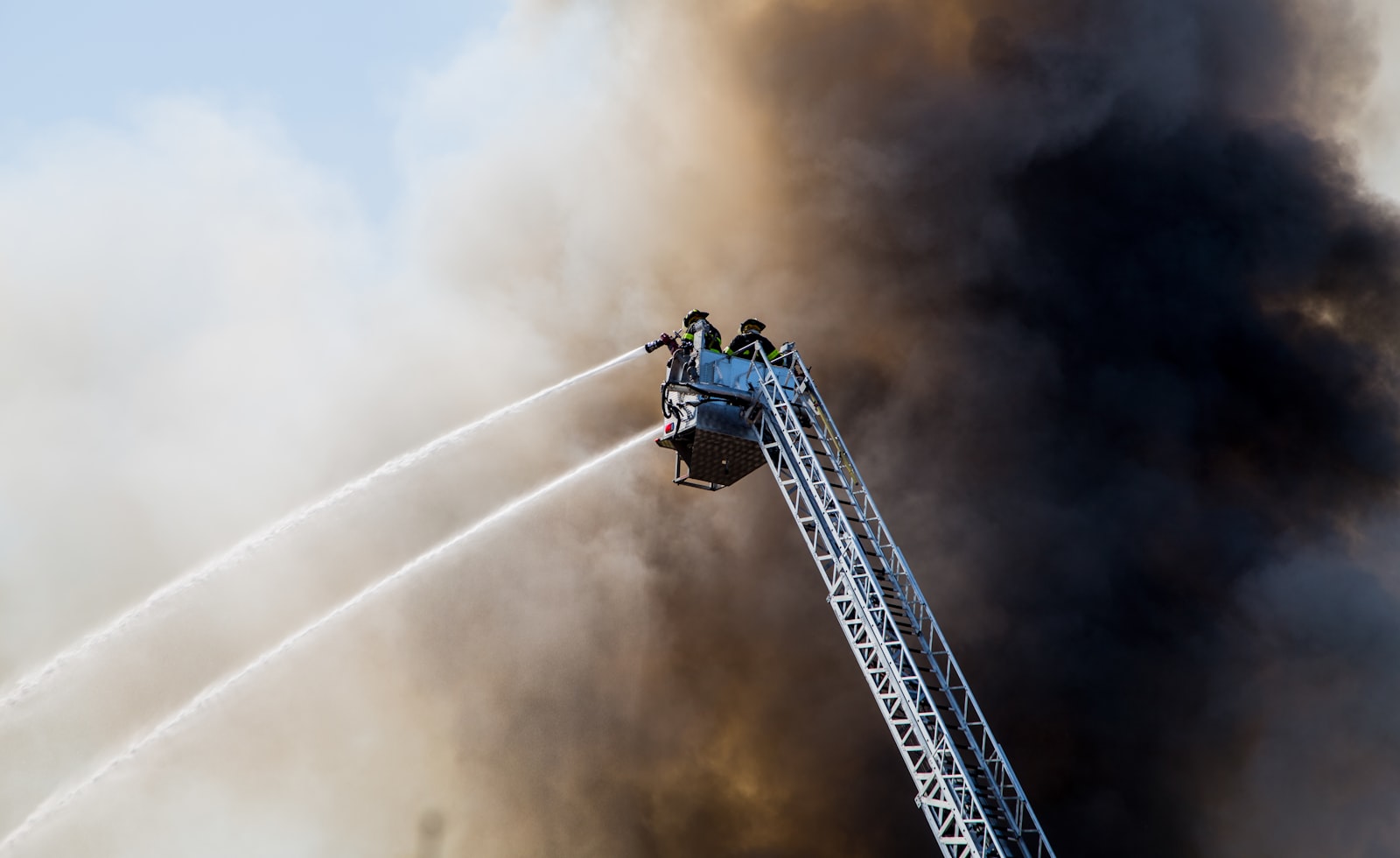
Yes — pickle juice is one of the fastest electrolyte sources a firefighter can use during rehab. Structural and wildland firefighters lose 1 to 3 liters of sweat per hour inside turnout gear, with sodium losses of 900 to 2,000 mg per hour. A 3 oz pickle brine shot delivers 570 mg of sodium in a single swallow and triggers a neural reflex that quiets cramp signals in about 85 seconds — faster than any sports drink can absorb. It is the on-scene "off switch" for cramps during a long incident, not a daily hydration plan.
Fast Pickle's 3 oz shot was built for this kind of worker: an athlete-grade sodium load in a single-serve, shelf-stable shot that fits in a turnout coat pocket, a trailer cooler, or a wildland line pack. This guide breaks down why firefighters cramp on long incidents, what the science of the pickle-juice reflex actually says, and how to fold a brine shot into NFPA 1584 rehab without disrupting the company's protocol.
Why Firefighters Lose So Much Sodium
The turnout-gear ensemble — coat, pants, hood, gloves, boots, helmet, SCBA — adds roughly 45 to 75 pounds of insulated equipment to every interior attack. The gear is engineered to keep flame and superheated air out, which means it also keeps body heat in. Core body temperature can climb 1.6 to 2.0°C in 18 minutes of interior firefighting, even before the first rehab cycle. The body's only available cooling channel is sweat, and inside fully encapsulated gear that sweat does not evaporate. It pools.
Sweat sodium is highly variable, but firefighters skew salty. Field studies of structural crews after multi-bottle incidents report sweat sodium concentrations of 40 to 80 mmol/L (roughly 900 to 1,800 mg of sodium per liter). At a sweat rate of 1.5 L per hour — typical for an interior attack on a hot day — that's 1,350 to 2,700 mg of sodium lost per hour. Wildland firefighters working a 12 to 16-hour line shift in temperatures above 90°F routinely lose 8 to 12 grams of sodium across the shift.
For context, the FDA daily-value sodium target for the general public is 2,300 mg. A firefighter on a working incident can blow through that in 60 to 90 minutes. The standard 20 oz sports drink replaces about 270 mg. The deficit compounds across the shift and shows up as cramps, dizziness, and the dragging feeling that experienced crews call "the heavy bottle" — when the second air bottle feels twice as long as the first.
The Neural Reflex That Quiets Cramps in 85 Seconds
Pickle juice doesn't work the way most people assume. The cramp relief is not about absorbing sodium — your gut cannot pull electrolytes into the bloodstream that fast. The mechanism, published by Miller and colleagues in Medicine & Science in Sports & Exercise (2010), is a neural reflex triggered by the vinegar (acetic acid) hitting the back of the throat and upper esophagus.
The acidity activates oropharyngeal receptors that send an inhibitory signal up the vagus nerve to the spinal motor neurons that drive cramping muscle fibers. The signal "quiets the firing pattern" of those fibers — and it does it in an average of 85 seconds from swallow, against a placebo average of about 134 seconds when no reflex is engaged. That is the off-switch that crews on the apparatus floor are looking for when a leg or calf locks up during overhaul.
The 570 mg of sodium in a 3 oz Fast Pickle shot still matters — it shows up in the bloodstream over the next 20 to 40 minutes as part of the overall rehydration story. But the immediate relief that lets a firefighter stand back up and finish overhaul is the reflex, not the sodium. That is why a brine shot beats a flavored sports drink for acute cramps on scene, even when the sports drink technically has comparable sodium per bottle.
When Cramps Hit on a Fire Call
Cramps rarely strike during the first bottle. They show up in three predictable windows that every company officer learns to watch for.
Late attack, second or third bottle. The first 18-minute SCBA bottle burns through about 600 to 900 mL of sweat. By the second bottle, the firefighter has lost a full liter or more and is already in mild sodium deficit. Cramps in the calves, quads, or the small intrinsic foot muscles inside boots are the first warning signs.
Overhaul phase. The fire is knocked down but the building is still 110 to 140°F in pockets. Crews are pulling ceiling, opening walls, soaking hot spots. Heart rate is lower than attack but core temperature stays elevated for 20 to 40 minutes after the bottle comes off. Lumbar and hamstring cramps often hit in this phase.
Post-incident on the apparatus floor. Back at the station, gear off, sitting on a bench. Blood volume re-distributes to the periphery, lost sodium is now an obvious deficit, and a calf or hamstring cramp can lock up hard enough to drop a firefighter to the concrete. This is the cramp window where a brine shot in the kitchen 30 minutes before the bench cramp would have changed the outcome.
Wildland firefighters experience a different cramp pattern — slower onset, deeper involvement, often the trunk and back. The cause is the same: long sodium drain across a 12 to 16-hour shift, with hot meals and water bottles that simply do not replace what the line work pulls out.
Pickle Juice vs Sports Drinks for Firefighters
Most fire stations stock Gatorade, Powerade, or a powder mix in the apparatus bay. They all do something. The question is whether they do enough, fast enough, for the sodium load of an actual incident.
| Drink | Sodium per serving | Sugar | Onset (cramp relief) |
|---|---|---|---|
| Fast Pickle 3 oz shot | 570 mg | 0 g | ~85 seconds (neural reflex) |
| Gatorade Thirst Quencher (20 oz) | 270 mg | 34 g | 20 to 40 minutes (absorption) |
| Powerade (20 oz) | 250 mg | 34 g | 20 to 40 minutes (absorption) |
| LMNT packet (in 16 oz water) | 1,000 mg | 0 g | 20 to 40 minutes (absorption) |
| Liquid IV packet (in 16 oz water) | 510 mg | 11 g | 20 to 40 minutes (absorption) |
The takeaway: for the acute cramp moment, a brine shot wins because the reflex doesn't wait for digestion. For shift-long rehydration, a higher-sodium powder like LMNT or a sequence of Gatorade bottles handles the bulk fluid replacement. A smart rehab protocol uses both: the brine shot to quiet a cramp and front-load 570 mg of sodium fast, followed by 16 to 24 oz of an electrolyte beverage to replace fluid volume across the next 20-minute rehab window.
The NFPA 1584 Rehab Cycle and Where the Shot Fits
NFPA 1584 — the Standard on the Rehabilitation Process for Members During Emergency Operations and Training Exercises — sets the framework most departments use for on-scene rehab. The core idea: after every two air bottles, or every 40 to 45 minutes of high-intensity work, firefighters enter a formal rehab cycle that lasts a minimum of 20 minutes.
During those 20 minutes, the firefighter removes the SCBA and turnout coat, sits in shade or active cooling, gets vitals checked, and rehydrates. The standard is intentionally vague on what to drink — it says "fluids" and points to electrolyte replacement when work has been long or hot. That leaves the company officer or rehab unit lead with a real choice.
A 3 oz brine shot fits at the front of the rehab window: drink the shot in the first 60 seconds at the rehab table, then continue with 16 to 20 oz of cool fluid (water or a sports drink) across the rest of the 20 minutes. The shot provides the immediate neural cramp dampening for anyone already symptomatic, and front-loads sodium for everyone else. The brine taste is intentional — it tells the firefighter the body just got what it needed.
Wildland vs Structural — Different Sodium Demands
Wildland firefighters working a 14-hour line shift on a Type 2 incident face a completely different metabolic load than a structural crew on a working house fire. The line work is sustained at moderate intensity for hours instead of peaking at maximum intensity for 18 minutes. The gear is lighter (Nomex pants and shirt, leather boots, hardhat) but the environment is hotter — direct sun, radiated heat from the burn, no shade.
Daily sodium loss on a hot line shift commonly reaches 6 to 12 grams. MREs and crew meals provide 2 to 4 grams. Water bottles provide essentially zero. The deficit shows up on day three or four of an incident assignment as deep fatigue, headaches, GI distress, and — for some crew members — the kind of cramps that put a hotshot on the medical sideline for 48 hours.
For wildland use, a 12-pack of Fast Pickle in the crew buggy or fire cache becomes a rehab tool: one shot at lunch on the line, one at the end of shift, and one at first cramp if it shows up. That sequence delivers about 1,700 mg of sodium spread across the hot window, on top of whatever the IMT chow hall provides.
Trailer-Cooler Protocol for Engine Companies
Most engine companies that adopt brine shots do it the same way they adopted bottled water 20 years ago: a small cooler on the apparatus, restocked after every shift. The 12-pack ships in a case that fits a standard rehab cooler with room left for ice and water.
The deployment rhythm most companies settle into:
- One shot at first bottle change for anyone working the interior. Front-loads 570 mg of sodium before the deficit builds.
- One shot at the start of rehab if a member is symptomatic — calf twitch, foot cramp inside boot, mild lightheadedness on standing.
- One shot on the apparatus ride back for crews that had a long incident, especially the second or third call of a shift.
The cost math: at $2.42 per shot in a 12-pack, a three-shot incident across a four-firefighter crew runs about $29. That's less than the cost of a single Gatorade case for the same crew and a fraction of one transport for a firefighter pulled off the line by heat illness. For training burns at a controlled academy, the same protocol is even more useful because crews stack live burn evolutions back to back with limited rehab. Shop the 12-pack here.
What About Daily Use Between Shifts?
Fast Pickle is built for the acute window — the brine shot is concentrated, intentionally not a "drink all day" beverage. For daily sodium support between shifts, firefighters who run hot are usually better served by adding salt to meals, drinking an LMNT or a low-sugar electrolyte beverage with breakfast, and saving the brine shot for the apparatus and the line.
The exception: firefighters on 48/96 shifts who routinely cramp on the second 24 sometimes use a half-shot (1.5 oz) before sleep on a 48 to load sodium into the night recovery window. This is the same pattern the nighttime leg cramp protocol describes.
Frequently Asked Questions
Will a brine shot count against my SCBA-on time?
No. A 3 oz shot takes about 4 seconds to drink and does not require a mask break beyond the existing rehab cycle. Most companies treat it the same as taking a sip of water during rehab.
Is the vinegar hard on the stomach during a high-heart-rate call?
Most users report no GI issues. The shot is buffered by the natural pickle brine, not straight vinegar, and the dose is small. If you have a known acid-reflux history or a sensitive stomach during exertion, take the shot at the start of a rehab cycle (not at peak heart rate) and follow with water.
Does pickle juice replace water?
No. The shot is a fast-acting electrolyte and reflex tool, not a fluid replacement. Standard rehab fluid volume — 16 to 32 oz of cool water or sports drink across the 20-minute rehab cycle — still applies.
Why not just take a salt tablet?
Salt tablets provide sodium but no neural reflex. They also tend to absorb in a slug, which can trigger nausea at high doses. The brine shot pairs sodium with the vinegar-triggered cramp dampening, which is what most firefighters are actually after when they reach for it during overhaul.
Is Fast Pickle suitable for crews on a low-sodium diet for cardiac reasons?
Firefighters with medically managed sodium restrictions (often related to blood pressure or cardiac history) should clear any sodium-front-loading strategy — including brine shots — with their personal physician or department physician. The 570 mg in a single shot is meaningful and counts against a daily sodium budget.
What size pack should an engine company stock?
For a four-firefighter engine on a busy shift schedule, the 12-pack covers about two working incidents per shift cycle. Companies running heavy summer call volume often standardize on a case of 12-packs in the rehab bin and restock monthly.
*These statements have not been evaluated by the Food and Drug Administration. This product is not intended to diagnose, treat, cure, or prevent any disease. Always follow your department's medical protocols and consult a physician for individual health concerns.