
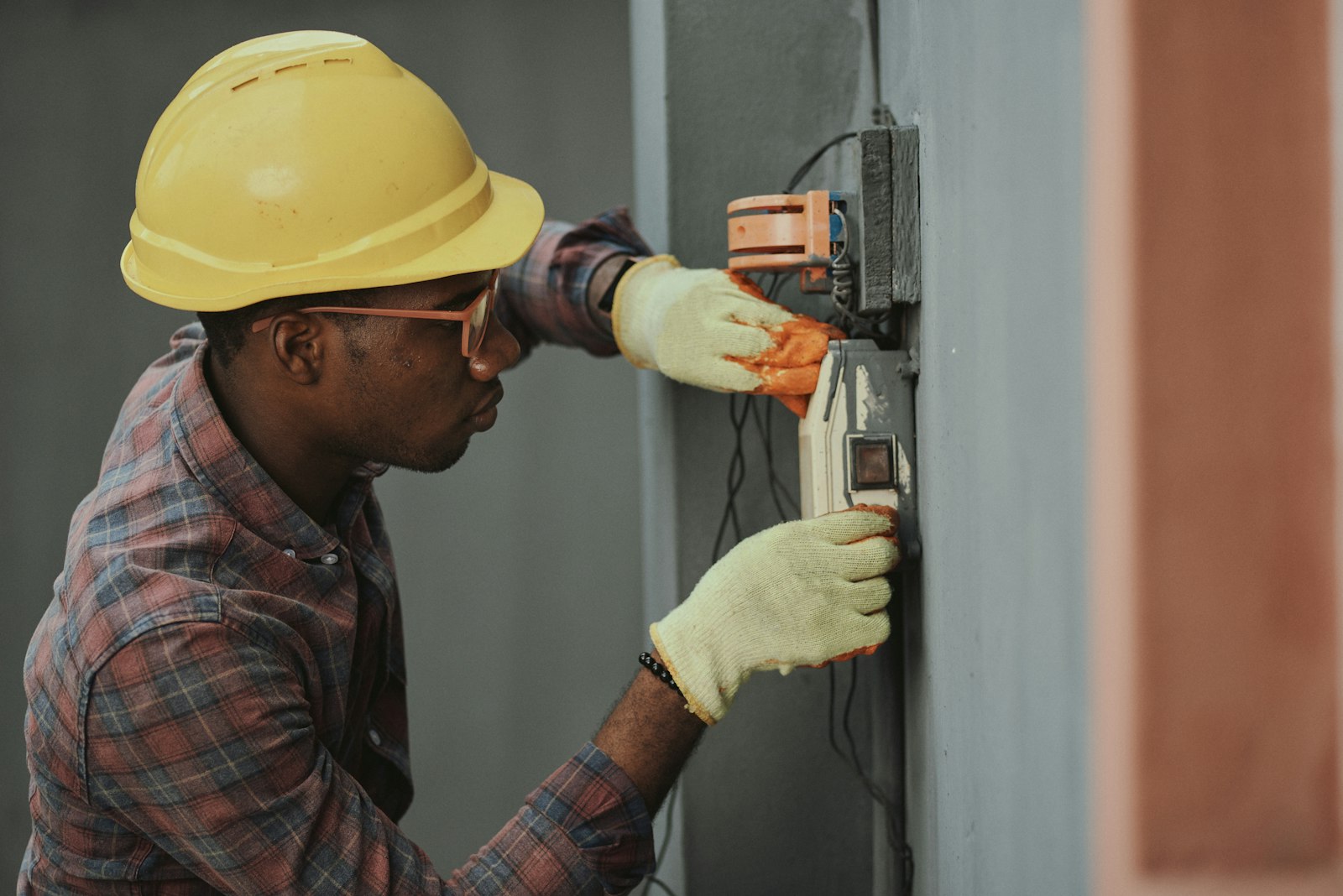
Electricians working in attics, underground vaults, and outdoor rooftop runs in summer heat can lose 800–1,500 mg of sodium per hour through sweat. A single 3 oz Fast Pickle shot delivers 570 mg of sodium and triggers the muscle cramp neural reflex in under 90 seconds — no water, no mixing, no cooler required.
Why Electricians Face Serious Electrolyte Loss
Electrical work isn't always open-air or air-conditioned. Attic rough-ins hit 130°F in summer. Underground vaults trap heat and hold it with no airflow. Rooftop conduit runs in direct sun can keep an electrician exposed to radiant heat for hours at a stretch. Unlike workers who move between conditioned and unconditioned spaces, an electrician troubleshooting a complex fault can spend most of a shift in one hot, still environment.
Add full PPE — hard hat, safety glasses, steel-toed boots, arc flash gear for panel work — and the body's core temperature climbs faster than sweat can cool it. Sweat rate in hot attics regularly exceeds 1 liter per hour. At 400–600 mg of sodium per liter, that's a 400–600 mg sodium deficit per hour before you've pulled a single circuit.
By early afternoon on a summer day, an electrician who hasn't replaced sodium is already in deficit territory — which is exactly when cramps show up and focus drops at the worst possible time.
The Warning Signs That Show Up on the Job
Sodium depletion doesn't announce itself cleanly. The signals build gradually through a shift:
- Leg tightening in the calves or thighs — often dismissed as fatigue from climbing ladders or crawling attic space
- Elevated heart rate that doesn't settle between tasks, even during breaks
- Headache that starts at the temples and worsens through the afternoon
- Cognitive slowing — difficulty tracking circuit diagrams, slower decision-making on fault-finding
- Full muscle cramp — by the time a cramp locks mid-task, sodium depletion is already significant and recovery requires stopping work
The most dangerous moment is a cramp on a ladder, in a tight attic space, or while working near live panels. A proactive sodium strategy eliminates most of that risk before it starts.
How Pickle Brine Stops Cramps So Fast
Miller et al. (2010, Medicine & Science in Sports & Exercise) demonstrated that pickle brine stops electrically-induced muscle cramping in approximately 85 seconds — far faster than water or sports drinks can be absorbed and raise blood sodium. The mechanism doesn't require digestion to work first.
Acetic acid in the brine triggers transient receptor potential (TRP) channels in the mouth and throat that send a neurological signal reducing muscle hyperexcitability. It's a reflex response, not a metabolic one. The cramp signal gets switched off before the liquid even reaches the bloodstream.
The 570 mg of sodium in each Fast Pickle shot then handles the ongoing work — replacing electrolyte deficit so the underlying condition that caused the cramp improves over the hours that follow. The neural trigger stops the emergency; the sodium corrects the root.
Pickle Juice vs. Other Hydration Options on a Job Site
| Option | Sodium per serving | Sugar | Response time | Job site practical? |
|---|---|---|---|---|
| Fast Pickle Shot (3 oz) | 570 mg | 0 g | ~85 sec (neural reflex) | Yes — fits tool belt, no cooler needed |
| Gatorade Thirst Quencher (12 oz) | 160 mg | 21 g | 20–30 min (absorption) | Bulky, high sugar, requires bottle |
| LMNT Packet (in 16 oz water) | 1,000 mg | 0 g | 15–25 min (absorption) | Requires mixing, 16 oz fluid load |
| Plain Water | 0 mg | 0 g | N/A for cramps | Can worsen hyponatremia if sodium-depleted |
| Salt tablet + water | ~400 mg | 0 g | 30–45 min (dissolution) | Slow; often causes GI distress |
When you're mid-attic pull or inside a panel and a cramp starts, the format that works in the moment is a 3 oz shot you can pull from a pouch and knock back in one go. A 16 oz drink you have to mix or a 12 oz bottle you have to find your way to are a different category of intervention entirely.
The Shift Protocol for Electricians
Based on published sweat-rate data for trades workers in high-heat environments, here is a practical deployment guide:
- Before a high-heat task (10 min prior): Take one shot before climbing into a hot attic, a sun-exposed rooftop run, or a vault with no ventilation. You're pre-loading the neural reflex and topping off sodium before the loss starts.
- Mid-morning (around Hour 3): Take one shot when the first signs of tightening appear, or proactively at the mid-morning break during sustained hot-environment work. This is when accumulated sweat loss first starts to compound.
- Mid-afternoon wall (2–4 PM): The peak cramp and fatigue window for summer outdoor work. A proactive shot at this point prevents the afternoon cramp that typically hits during the final third of a shift.
- If a cramp starts: Take a shot immediately and stop movement for 60–90 seconds. The neural reflex activates in that window; forcing movement through a mid-cramp shot slows the response.
- Post-shift recovery: Rehydrate with water and a balanced meal. Pickle juice handles the acute and mid-shift electrolyte gap; normal eating handles full overnight recovery.
For a 12-pack stored in the work van, that's approximately two weeks of daily single-shot summer use for a solo electrician, or one week for a two-person crew.
Why Drinking More Water Isn't the Answer
When you're already sodium-depleted and continue drinking plain water, blood sodium concentration drops further — a condition called exercise-associated hyponatremia. In this state, muscles become more prone to cramping, not less, because the sodium-to-fluid ratio in the blood has shifted. More water without sodium replacement makes the underlying problem worse.
The correct sequence is sodium first: close the electrolyte gap, then maintain hydration with water. This is why an electrician who drinks steadily from a water jug all day without replacing sodium can still cramp badly by afternoon. The water didn't fix the deficit; it diluted it.
What to Keep in the Van
A Fast Pickle 12-pack ($28.99) gives you 12 shots — roughly two weeks of single-shot daily summer protocol. Journeymen who've adopted this keep a sleeve in the van console or the top of the tool bag, alongside wire connectors and a voltage tester. Shelf-stable, no cooler, no prep.
At $2.42 per shot, the cost is one gas station coffee. A cramped calf in a hot attic or mid-ladder costs far more in time, risk, and lost focus than that.
Frequently Asked Questions
How much sodium does an electrician lose per shift?
In hot attics or outdoor summer work, you can lose 800–1,500 mg of sodium per hour. An 8-hour shift with significant heat exposure puts total sodium loss at 2,000–6,000 mg — far more than a standard sports drink per break can replace. A proactive brine shot protocol fills the gap without requiring you to drink liters of sugar water throughout the day.
Can you take pickle juice on a job site?
Yes. Fast Pickle's 3 oz shot fits in a tool belt pouch, a van console, or the top of any tool bag. It requires no mixing, no ice, and goes down in one pull. The format was built for exactly this use case — physical work environments where carrying a sports drink bottle isn't practical.
Will it upset my stomach during work?
Fast Pickle's 3 oz format was specifically sized to avoid the gastric distress that larger volumes of pickle brine can cause. Larger quantities — a cup or more — can cause nausea during physical exertion. The concentrated shot passes through the stomach quickly and does not require fluid loading to work. Most electricians report no stomach issues at the 3 oz dose.
Is pickle juice safe with high blood pressure?
Fast Pickle's sodium content (570 mg per shot) is in the range of a standard electrolyte supplement. Electricians with diagnosed hypertension should consult their physician before adding any sodium supplement to their routine, just as with any dietary change involving sodium.
Does Fast Pickle need refrigeration?
No. Fast Pickle shots are shelf-stable and can be stored at room temperature in a van, tool bag, or site box all summer. A cooler improves how they taste, but isn't required. Shelf life is 18 months unopened.