
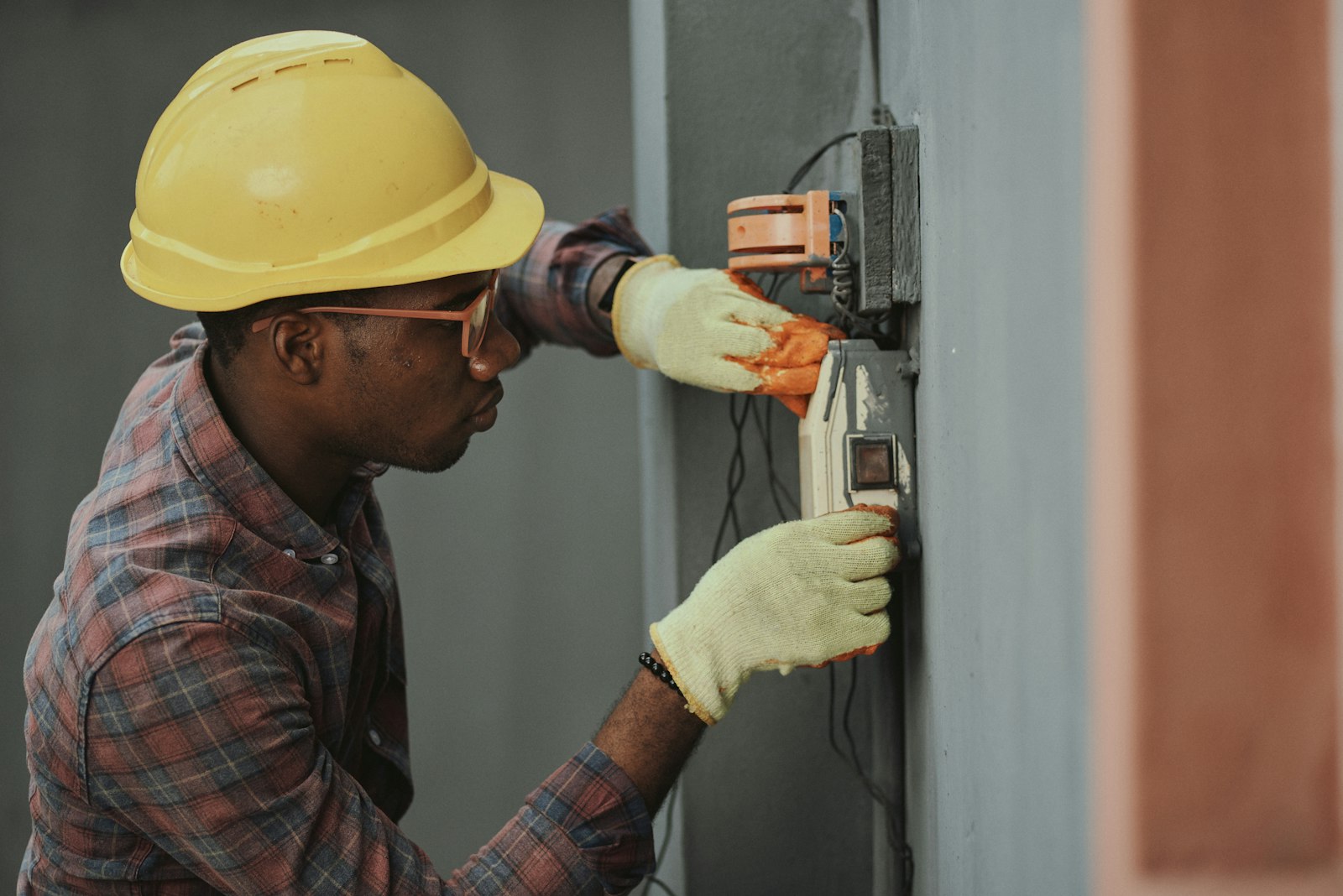
The best electrolyte replacement for cable technicians is a high-sodium, fast-absorbing formula that works in the few minutes between job sites — not a drink you need to sip for an hour. A 3oz pickle brine shot delivers 570mg of sodium and triggers a neurological reflex that supports muscle function within 85 seconds, without the sugar load that slows you down mid-route.*
Cable technicians spend more time in heat than most people realize. You are not just working outside — you are working in attics where air temperatures routinely exceed 130°F, inside equipment enclosures baking in direct sun, under house crawl spaces with zero airflow, and on rooftops where surface temperatures can hit 180°F on a July afternoon. Your core temperature climbs fast. Your sodium loss climbs with it.
The problem is that the standard hydration options available to field techs — sports drinks from a gas station cooler, a gallon jug of water rolling around the passenger seat, an energy drink grabbed at the last stop — are either too sugary, too slow, or just not built for what a cable tech's body actually needs on a dispatch day.
Why Cable Tech Sweat Hits Different
A residential cable technician on a standard dispatch route might complete six to ten installs or service calls in a single shift. Each job involves crawling under a structure, climbing into an attic, or working an outdoor pedestal in direct sun. Between jobs, you are in a van or truck — which, if you leave the engine off to save fuel while completing paperwork, heats to 120°F+ in under ten minutes.
That stop-start thermal cycle is particularly hard on your body. You heat up intensely, never fully cool down, heat up again. Research on occupational heat exposure consistently shows that this pattern — repeated short high-heat exposures with inadequate recovery — depletes electrolytes faster than a single continuous exposure of the same total duration.
Most field techs sweat out somewhere between 500mg and 1,200mg of sodium per hour during active work in those conditions. Over a full eight-hour dispatch day in summer, that is 4,000mg to 9,600mg of total sodium loss. The daily upper limit recommended for healthy adults is around 2,300mg. Most techs replace maybe a fraction of what they lose.
The Sodium Math on a Summer Field Day
Sodium is the electrolyte that matters most for cable technicians, for a specific reason: it regulates the fluid balance outside your cells, which controls how much water you retain. When sodium drops, your body sheds water regardless of how much you drink. You urinate more. Your blood volume decreases. Your muscles get less oxygen. The early sign is a dull headache or a feeling of brain fog that hits around the third or fourth job of the day. The later sign is a leg or foot cramp that fires mid-climb or mid-crawl.
Here is what the numbers look like across a full dispatch day in July:
| Scenario | Approx. Sweat Rate | Sodium Lost / Hr | 8-Hour Total Loss |
|---|---|---|---|
| Office worker (A/C, minimal movement) | Low (0.3–0.5 L/hr) | ~150–300mg | ~1,200–2,400mg |
| Outdoor laborer, moderate heat | Moderate (0.8–1.2 L/hr) | ~400–700mg | ~3,200–5,600mg |
| Cable tech, attic/rooftop work, summer | High (1.0–1.5 L/hr active) | ~550–1,100mg | ~4,400–8,800mg |
| Replaced by typical sports drink (20oz) | — | ~110–270mg per serving | Covers ~10–20% of loss |
| Replaced by Fast Pickle 3oz shot | — | 570mg per shot | 12-pack covers a full crew week |
The gap between what you lose and what a standard sports drink replaces is significant. A 20oz Gatorade has around 270mg of sodium. You would need four to six of those per hour during peak heat exposure just to keep up — and at 34 grams of sugar per bottle, that is also 136–204 grams of sugar absorbed before lunch. That is why most sports drinks leave cable techs feeling sluggish by mid-afternoon even when they think they are staying hydrated.
How a 3oz Pickle Shot Supports Muscle Function Fast
A Fast Pickle 3oz shot works through two mechanisms simultaneously. The first is the electrolyte load: 570mg of sodium in a three-ounce volume your body absorbs in minutes. The second is a neurological reflex first documented in peer-reviewed literature by Kevin Miller in 2010: the acetic acid in pickle brine activates transient receptor potential (TRP) channels in the mouth and esophagus, which signal the nervous system to reduce misfiring motor neurons in fatigued muscle. The researchers measured the effect in 85 seconds on average — faster than any sodium absorption timeline can account for, which means the reflex mechanism is separate from the electrolyte replacement and works on its own.
For a cable tech who fires a calf cramp mid-attic at the third job of the afternoon, 85 seconds matters. Waiting for a sports drink to absorb over 30 to 45 minutes does not.
The practical application for a field tech schedule looks like this:
- First shot at day start — before the first attic or rooftop exposure, not after you are already depleted
- One shot mid-morning — around the third or fourth job, when core temperature typically peaks for the first time
- One shot post-lunch — especially in summer, when the afternoon heat window is the highest-risk period
- One shot at end of shift — supports overnight recovery and prevents the next-morning stiffness that compounds over a full work week
At four shots per shift and $2.42 per shot, the daily cost is under $10. That is less than two gas station energy drinks and considerably less likely to spike your insulin and crash you at 2 p.m.
Pickle Juice vs. Sports Drinks: Head-to-Head for Field Techs
| Factor | Gatorade (20oz) | LMNT Stick Pack | Fast Pickle 3oz Shot |
|---|---|---|---|
| Sodium per serving | 270mg | 1,000mg | 570mg |
| Sugar | 34g | 0g | 0g |
| Absorption speed | 30–60 min | Must mix, 20–40 min | Minutes (reflex: ~85 sec) |
| Pack size for field use | Needs cooler/fridge | Needs water + cup | 3oz sealed shot, no prep |
| Fits in shirt pocket | No | Powder only | Yes |
| Field-ready (no mixing) | Yes, but large format | No — requires mixing | Yes — shoot and go |
| Cost per serving | ~$2.50–3.00 | ~$2.50 | $2.42 (12-pack) |
The field-ready format is the practical differentiator for cable techs. You are not going to stand at the tailgate and mix a powder packet into 16oz of water between a service call and your next stop when dispatch already has you running 20 minutes behind schedule. A 3oz shot lives in your pocket, takes three seconds to drink, and does not require refrigeration until opened.
The Cable Tech Protocol: When to Drink It
The most common mistake field techs make with hydration is reactive drinking — waiting until you feel thirsty, or until a cramp forces you to stop. Thirst is a lagging indicator: by the time your body registers thirst, you have already lost 1–2% of your body weight in fluid, enough to measurably reduce cognitive performance and physical output. For a tech whose job requires precision cabling, accurate measurements, and safe pole climbing, that 1–2% deficit is not trivial.
The protocol that works for field techs is proactive and timed to the job, not to thirst signals:
- Before the first hot-environment exposure — shoot one before the first attic or rooftop job of the day. Your body starts cold but the environment heats up fast. Pre-loading sodium reduces the speed at which you deplete.
- At the vehicle between hot jobs — the van or truck is a cooling station for field techs, even if only briefly. Use that transition moment to drink a shot and re-hydrate with water. Do not skip this step even if you feel fine.
- At any sign of muscle tightness — do not wait for a full cramp. Tightness in the calf, foot, or hamstring during a climb is a warning that the motor neurons are fatiguing. A shot at that point can interrupt the progression before the full cramp fires.
- End of shift — recovery happens overnight, but it requires adequate sodium for your cells to retain the fluids you drink before bed. One shot at end of shift completes the day's replacement cycle.
Frequently Asked Questions
Does Pickle Juice Actually Work for Field Techs or Is It Just a Gym Thing?
The neurological reflex that makes pickle juice effective was first studied in athletes but the mechanism applies to any fatigued muscle — the sport or occupation does not change the biology. Several peer-reviewed studies since Miller's 2010 paper have confirmed the same reflex effect in occupational settings. The difference for field techs is the format: a 3oz shot fits in a work shirt pocket and requires no prep, which makes it more practical on a dispatch schedule than any drink that requires mixing or refrigeration.
How Much Sodium Does a Cable Technician Lose in a Full Day?
In summer heat with repeated attic, crawl space, or rooftop exposure, a field tech can lose 4,000–9,000mg of sodium in an eight-hour shift. Sweat rate during active hot-environment work is typically 1.0–1.5 liters per hour, and each liter of sweat contains roughly 500–1,000mg of sodium depending on individual physiology and acclimatization level. Most cable techs replace less than 20% of that through normal drinking habits, which is why the afternoon energy crash and muscle tightness are so common.
Why Do I Cramp More in Hot Attics Than Anywhere Else?
Hot attics are the worst-case combination of three cramp triggers: high ambient temperature (which accelerates sodium loss through sweat), physical exertion in a confined space with poor posture (which stresses specific muscle groups in awkward ways), and no airflow (which prevents the evaporative cooling your body depends on to regulate temperature). When all three hit at once, your motor neurons reach their fatigue threshold faster. The cramp is the nervous system's failure state — the sodium is gone, the cooling is gone, and the muscle cannot regulate its contractions.*
Can I Store Fast Pickle Shots in My Work Truck?
Yes. Fast Pickle shots are shelf-stable until opened and handle ambient temperatures well. The one consideration in extreme summer heat: extremely high sustained temperatures (140°F+ for hours) inside a parked, sealed vehicle can degrade any food product. In practice, keeping a supply in the cab or a small tool bag rather than the cargo bed minimizes exposure. Once opened, drink immediately — the shot is designed for single-use consumption, not slow sipping.
What Is the Difference Between Pickle Juice and a Regular Sports Drink for This Use Case?
The core differences are sodium concentration, sugar content, absorption speed, and the neurological reflex. A typical sports drink has 110–270mg of sodium and 25–34g of sugar per 20oz bottle. Fast Pickle has 570mg of sodium and zero added sugar in a 3oz shot. For cable techs, the sugar content of sports drinks is a practical problem because it causes insulin spikes that lead to energy crashes — the opposite of what you need during the back half of a long dispatch day. The neurological reflex in pickle brine does not exist in sports drinks, which means sports drinks can only help through absorption, while pickle juice works through both absorption and the reflex mechanism, beginning within about 85 seconds of consumption.*
*These statements have not been evaluated by the Food and Drug Administration. This product is not intended to diagnose, treat, cure, or prevent any disease. Individual results may vary.