
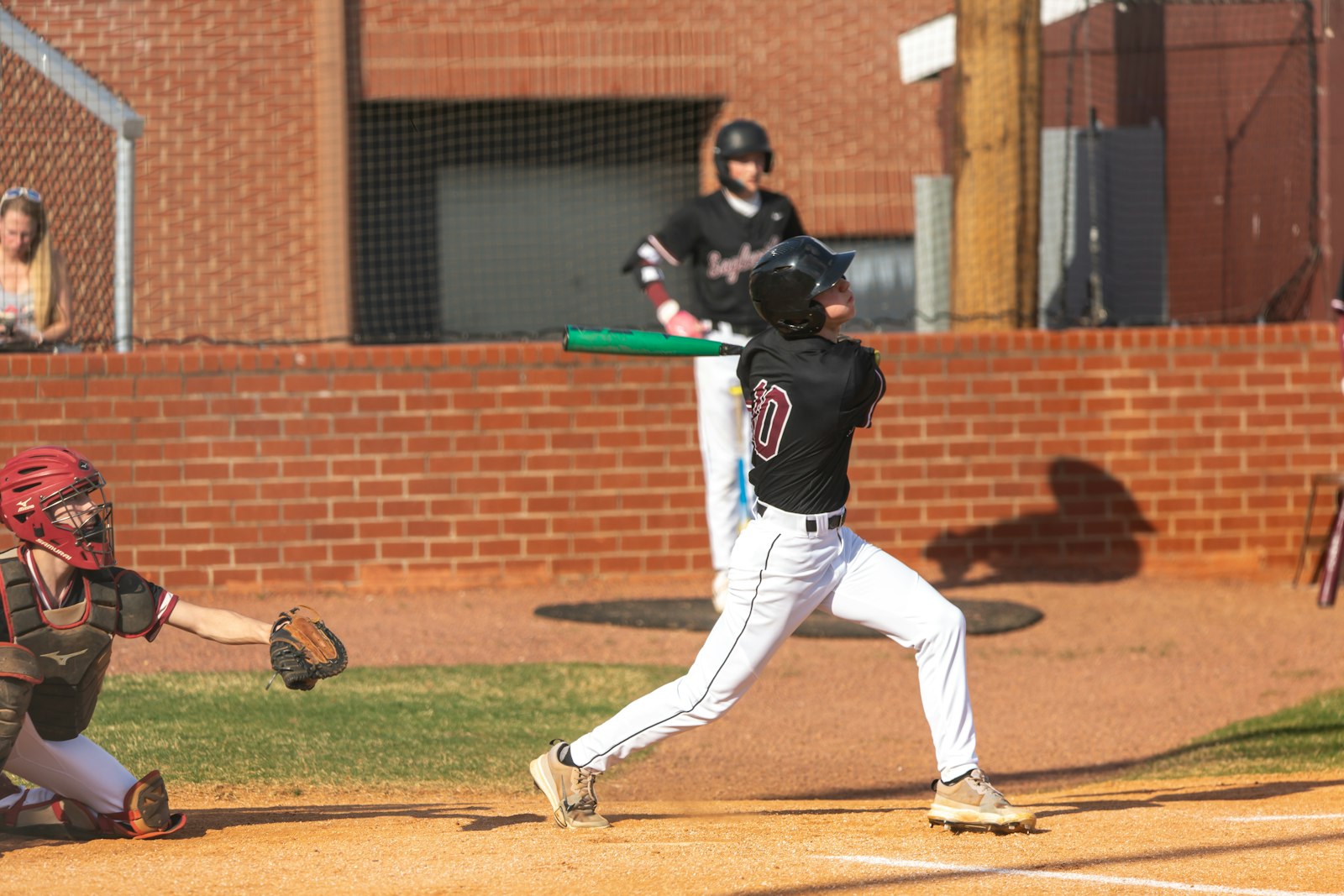
Yes — pickle juice stops baseball cramps, usually in 60 to 90 seconds. The fix isn’t about flooding a dehydrated player with more fluid; it’s the vinegar in the brine triggering a reflex in the back of the throat that tells contracted muscles to release. That mechanism is why a 3 oz shot works in the dugout between innings when a 20 oz sports drink can’t catch up. A Fast Pickle 3 oz shot delivers 570 mg of sodium — roughly 2 to 3x what’s in a 20 oz Gatorade — in a single-serve format a player can take in the on-deck circle, between innings, or during the 7th-inning stretch.
How Pickle Juice Stops Baseball Cramps
The 2010 study by Miller and colleagues at North Dakota State (published in Medicine & Science in Sports & Exercise) measured cramp duration in athletes drinking pickle juice versus deionized water versus no fluid. The pickle-juice group’s cramps resolved roughly 45% faster than the no-fluid group — and the effect appeared around 85 seconds after ingestion. That window is far too short for sodium to have been absorbed into the bloodstream, which means the mechanism is not about rehydrating the cramped muscle. It is neurological.
Researchers concluded that the vinegar-salt combination triggers a reflex in the oropharynx — the back of the throat — that signals the brainstem to inhibit the alpha motor neurons firing the cramped muscle. Translation: your brain switches the cramp off.
For a baseball player in the dugout in the 7th inning of a Sunday day game, that mechanism matters because:
- Sports drinks rely on absorption, which takes 20 to 40 minutes — longer than the half-inning you have to get back out there.
- A baseball cramp arrives in seconds, typically on a hard sprint to first, a stretch to a wide throw, or a long stride for a stolen base.
- The time between innings is 2 minutes 30 seconds in MLB and similar at most amateur levels — more than long enough for a pickle shot to start working before the next half-inning.
A pickle shot works on the same timescale as the gap between innings. That is the entire argument for keeping a sleeve in the dugout cooler.
Why Baseball Players Cramp at Specific Moments
Baseball cramping is rarely random. It clusters around predictable triggers — and once you know them, you can stage your hydration and your 3 oz shot against them.
The 7th-inning wall
Sweat-rate studies on baseball players (Yeargin et al. 2010, with high-school and college position players in summer practice) put losses at 0.8 to 1.6 liters per game, with sweat-sodium concentrations of 600 to 1,400 mg per liter for non-acclimated players and higher for heat-acclimated athletes who sweat more freely. By the start of the 7th inning, a heavy sweater in a Sunday day game can be down 1,500 to 3,000 mg of sodium even in moderate conditions. That deficit is the textbook setup for a calf, hamstring, or hand cramp on the next hard sprint, swing, or throw.
The day-game-after-night-game
Major-league teams call it the “getaway day” problem. Amateur leagues call it Sunday after a long Saturday doubleheader. Sweat-sodium losses from the night game are still hanging on the next morning when the lineup card goes up. Pre-game salt loading was barely back to baseline. A position player who refueled with stadium food and a sports drink between games is starting the next one in a deficit. That is the exact use case the 3 oz shot was built for.
Catchers in full gear, day games in July and August
Catchers are the highest-risk position on a baseball field for late-game cramping. The chest protector, shin guards, and mask trap heat the way a wetsuit does. A catcher squatting through 130-plus pitches in 95-degree afternoon heat is sweating at a higher rate than any other player on the field — closer to the sweat losses of a soccer goalkeeper in full kit than a left fielder in a jersey. Many MLB clubhouses now stock pickle juice and shots specifically for catchers in summer day-game series, and the format is filtering down to college and high-school programs that play hot regional tournaments.
Pitchers between innings
Starters who throw 95+ pitches across six or seven innings face a different cramp profile: hand, forearm, and calf cramps that appear in the dugout between innings rather than mid-pitch. A 3 oz shot at the moment a starter walks off the mound — before sitting down for 10 to 15 minutes — gets the reflex effect running while the body cools and the next half-inning sets up. Relievers warming in the bullpen on humid August nights see the same pattern.
Salty sweaters
Some players just lose more sodium per liter than others. If you finish a game with visible white salt rings on a dark jersey, or your hat band is stiff with crystallized salt the next morning, you are in the upper end of the sweat-sodium range. Salty sweaters cramp earlier, more often, and more violently. The fix is more sodium — not more water, which actually makes the imbalance worse.
Pickle Juice vs. The Other Baseball Hydration Options
Most teams already have a hydration plan. The honest comparison is what each option does — and how fast.
| Product | Sodium | Time to acute effect | Best use |
|---|---|---|---|
| Fast Pickle 3 oz shot | 570 mg | ~85 seconds (neural reflex) | Between innings, 7th-inning stretch, the moment a cramp twinges |
| Gatorade Thirst Quencher (20 oz) | ~270 mg | 20 to 40 min (absorption) | Steady sip across nine innings |
| Gatorade Endurance (20 oz) | ~620 mg | 20 to 40 min (absorption) | Doubleheader and tournament-weekend volume rehydration |
| Liquid IV (1 stick / 16 oz) | ~500 mg | 20 to 40 min (absorption) | Pre-game loading 60 to 90 minutes before first pitch |
| Salt tablets (1 cap) | ~200 to 500 mg | 30 to 60 min (digestion) | Doubleheader days, dosed steadily with water |
| Plain water | 0 mg | — | Cooling and rinsing only |
The takeaway: a sports drink keeps a non-cramping player topped up; a pickle shot reverses a cramp that has already started or is just beginning to twinge. Most serious programs run both — sip the drink across the game, save the shot for the late innings, the dugout after a hard slide, and the moment something twinges. We break the full numbers down in pickle juice vs Gatorade.
The Baseball Player’s Pickle Juice Protocol
Here is the staged plan for a typical game day. Adjust by sweat rate; if you walk off the field with visible salt rings, bias every step toward more sodium.
The day before first pitch
- Drink to a pale yellow urine color across the day. Not clear — clear means you are diluting your sodium.
- Salt your dinner deliberately. A half teaspoon of table salt across the plate is roughly 1,200 mg of sodium.
- If you historically cramp in the late innings, take one 3 oz shot with dinner the night before. The 570 mg of sodium banks against the next day’s first three innings.
60 to 90 minutes before first pitch
- 16 to 20 oz of water with a sports drink mixed in — light flavor, not max sugar.
- If you are a known crampers’ crampers: one 3 oz pickle shot here. The 570 mg of sodium covers most of an hour of moderate sweat loss before you have taken the field.
- Catchers and starting pitchers should default to a pre-game shot in any 85 °F+ day game.
Between innings (the standard dugout move)
- 4 to 8 oz of water plus a sports drink during every half-inning you sit.
- If you have already felt a twinge in your calf or hamstring on a sprint, take a pickle shot the inning you came off the field — before the next half-inning starts.
- Pitchers: one shot the half-inning you walk off the mound after pitch counts above 90, before sitting down to cool.
The 7th-inning stretch
- This is the highest-leverage shot of the game for position players. The reflex effect is already running by the time you take the field for the bottom of the 7th.
- If a teammate cramped in the 5th or 6th, take the shot now even if you haven’t felt anything yet — you are in the same conditions on the same field.
Doubleheaders and tournament weekends
- One pickle shot within 15 minutes of walking off the first game. The sooner sodium gets back in, the faster the next game’s risk drops.
- 16 oz of water plus a real-food snack with carbs and salt — pretzels, salted nuts, a banana with a sprinkle of salt — in the gap between games.
- Save a second shot for the 5th or 6th inning of the next game if you cramped at all in game one.
Catchers (the position-specific add-on)
- One pickle shot 60 minutes before first pitch in any day game above 85 °F.
- One pickle shot in the dugout after the 5th inning of a hot day game — do not wait for the first cramp signal in your calf or quad.
- For a series with multiple day games, build the shots into your routine the way you build in batting practice: predictable, scheduled, before the deficit hits.
Pro Baseball and the Cramp Problem
Cramp moments at the highest level of baseball are not rare and they have decided major games. Day-game series in Texas, Arizona, and Atlanta during July and August are infamous for it: visible cramping on base paths, position players coming out in the 8th with a hamstring tweak, catchers requesting a defensive replacement in the 9th of an afternoon doubleheader. The image of a player stretching out a calf in the dugout while the trainer hands him a small bottle is one of the most recognizable cramp moments in regular-season baseball. The takeaway is not that elite players are undertrained — they are the most prepared athletes in the league — but that no fluid plan is large enough to outrun a sodium deficit through 162 games and triple-digit heat.
Below the marquee names, cramp-driven late innings are a constant subplot of college, summer-collegiate, and high-school baseball. College training staffs commonly stock pickle juice on the bench prophylactically; the rise of single-serve shots over the last several seasons has made the format more practical for teams without a full medical staff. NCAA and MLB strength-and-conditioning staff have used brine, mustard, and concentrated electrolyte shots in the dugout for over a decade, and 3 oz bottles fit into a side pocket of the team bag in a way a jug of brine never did.
What changed in the last few seasons is the availability of single-serve formats that don’t require the trainer to pour from a jug or measure a powder. A 3 oz shot takes 90 seconds to administer, is dose-locked at 570 mg, and slots into the dugout cooler next to the Gatorade jugs. That is why the format is showing up across college, summer wood-bat, high-school, and travel-ball dugouts that don’t carry a full medical staff.
Choosing the Right Pack for Your Baseball Schedule
The math on pack size is straightforward and depends on how many games you play per month.
- Beer-league or one-night-a-week men’s league: a Fast Pickle 6-pack is six weeks of coverage. Good entry size if you are testing the protocol.
- High-school season or summer travel ball (2 to 4 games/week): the Fast Pickle 12-pack is the standard team-bag stock. One pre-game and one bench-side shot per game day, with a buffer for hot-weekend doubleheaders.
- College, summer-collegiate, and travel-team dugout: the 24-pack or gallon — trainers running multi-game tournament weekends keep one in the cooler for the whole roster, with priority access for catchers and pitchers.
Common Mistakes Baseball Players Make With Pickle Juice
The protocol is forgiving, but a few patterns reliably waste the shot:
- Waiting until the cramp has fully locked in. The reflex is faster than absorption but it is not magic — take the shot the moment you feel the first twinge in your calf on the on-deck circle stretch, not three innings after the leg first tightened.
- Drinking the shot with no water chaser. The vinegar taste lingers, and the sodium load benefits from a 4 to 6 oz water chase. Skipping the chaser is what creates the “GI distress” reputation. With water, almost no one has a problem.
- Trying a new shot on game day. Always test a pickle shot at batting practice or a bullpen session first, the way you would break in new spikes — not in the dugout of a Friday-night district opener.
- Treating it as your hydration plan. A 3 oz shot is 570 mg of sodium, not 16 oz of fluid. Keep the water bottle on the bench.
- Sharing one bottle around the dugout. One shot is one player’s dose. A 12-pack covers an infield; a single shot does not.
Frequently Asked Questions
Does pickle juice really stop cramps in baseball?
Yes. The 2010 Miller et al. study found cramp duration dropped roughly 45% in the pickle-juice group compared with no fluid, with the effect kicking in around 85 seconds — far too fast to be sodium absorption. The vinegar in the brine triggers a reflex in the back of the throat that signals the brainstem to inhibit the cramping muscle. That mechanism is identical in any sport with repeated bouts of high-intensity effort, including 9-inning baseball games in hot, humid summer conditions.
How much pickle juice should I drink before a baseball game?
About 3 oz roughly 60 to 90 minutes before first pitch if you historically cramp. If you do not historically cramp, save the shot for the 7th-inning stretch or the moment a teammate cramps in the late innings. The 570 mg of sodium in a Fast Pickle 3 oz shot covers roughly an hour of moderate sweat loss, so a single bottle is plenty for a 9-inning game in moderate conditions; hot day games, doubleheaders, and tournament weekends may justify a second shot in the middle innings.
Should I take pickle juice between innings or only after the game?
Between innings — or earlier, if you have already felt a twinge. The reflex effect peaks around 60 to 90 seconds after ingestion, which means a shot taken in the dugout is already working before the next half-inning starts. Waiting until the final out means you have already played through the cramp that decided the 8th.
Is pickle juice better than sports drinks for baseball cramps?
For acute cramping, yes — pickle juice acts in around 85 seconds via a neural reflex; sports drinks rely on intestinal absorption that takes 20 to 40 minutes. Sports drinks are better for sustained low-intensity hydration when you are not yet cramping. Most serious programs run both: a sports drink on the bench for general hydration and a pickle shot for the 7th-inning stretch and the moment a cramp signal starts.
Will pickle juice upset my stomach during a game?
A 3 oz shot is small enough that most players tolerate it without GI distress, especially when chased with water. If you have a sensitive stomach, do a test run at batting practice the week before a game rather than trying a new product on game day. Players who try it for the first time in the 6th inning sometimes report nausea — not because of the brine, but because they were already dehydrated and adrenaline-spiked. Bank a pre-game shot or two in practice to know how your stomach handles it.
Can Little League and high-school baseball players drink pickle juice?
Yes, when supervised. A 3 oz shot delivers 570 mg of sodium — less than a slice of pepperoni pizza — in the kind of single-serving format that is easier to dose than table salt or capsules. Coaches working with Little League and high-school teams should match the protocol to the player’s actual sweat rate, and parents of any player on a sodium-restricted prescription diet should clear it with their physician before adding shots to a routine.
Do MLB players actually drink pickle juice in the dugout?
Pickle juice has been a documented part of MLB clubhouse routines for years, especially for catchers and starting pitchers in hot day-game series. Reporting on summer series in Texas, Arizona, and the Southeast has repeatedly noted brine bottles and salt shots in the dugout cooler. It will not solve a season-long undersalted diet on its own, but the format has been on big-league benches for years and is increasingly standard at the college, summer-collegiate, and travel-ball level too.
The Bottom Line for Baseball Players
If you cramp in the late innings, in doubleheaders, or in hot day games, you do not have a fluid problem — you have a sodium-and-reflex problem. Plain water will not fix it. A sports drink will not fix it on the timescale of a 2-minute half-inning break. A 3 oz pickle shot will, in roughly 85 seconds, by triggering the same reflex Miller’s lab measured in 2010. Stash a sleeve in the dugout cooler, take one at the 7th-inning stretch — or sooner if you twinge — and chase it with water. That is the entire protocol.
For full-season coverage, the Fast Pickle 12-pack is the team-bag standard at $2.42 a shot. For a single-tournament try-it test, the 6-pack is the simpler entry point.